Israel recognises Somaliland as independent state in landmark diplomatic move
Israel has become the first country to recognise Somaliland as an independent state, a move welcomed by Somaliland’s leadership but sharply condemned by Somalia and its allies as a breach of sovereignty.
- Israel has become the first country to officially recognise Somaliland as an independent nation.
- The move has drawn condemnation from Somalia and key regional allies including Egypt and Turkey.
- Somaliland intends to join the Abraham Accords and deepen ties with Israel across various sectors.
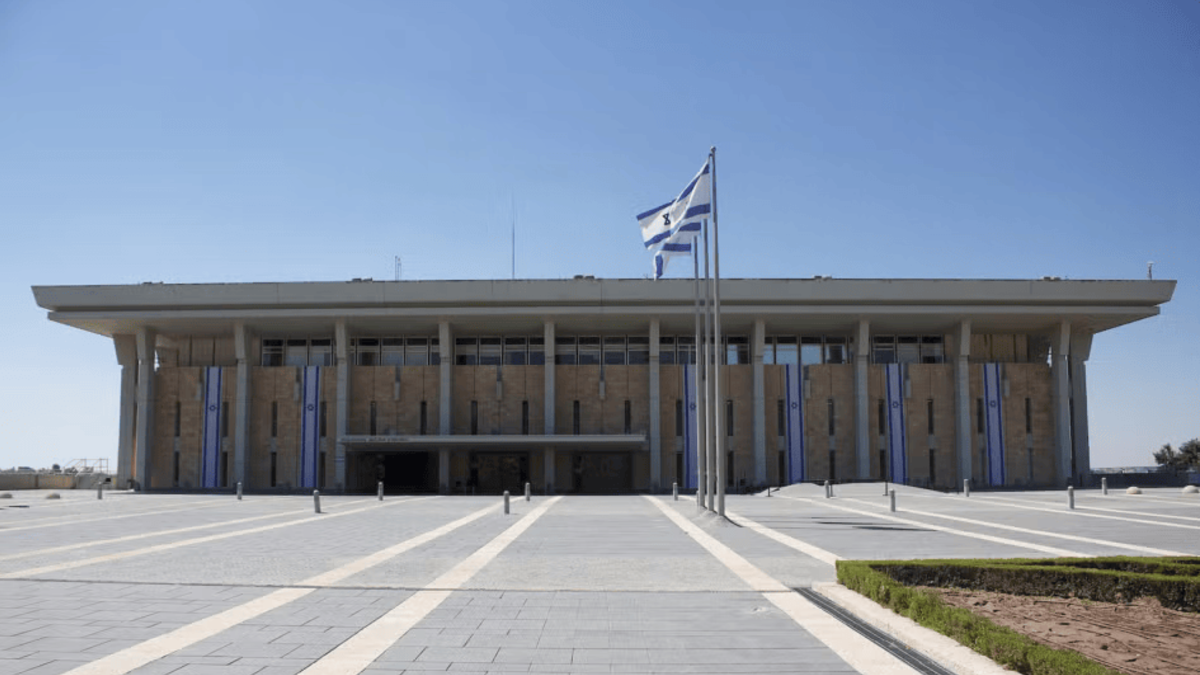
In a significant geopolitical development, Israel has formally recognised the breakaway region of Somaliland as an independent country, becoming the first nation in the world to do so.
The announcement, made on 26 December 2025, marks a diplomatic shift in the Horn of Africa and could influence broader regional alignments.
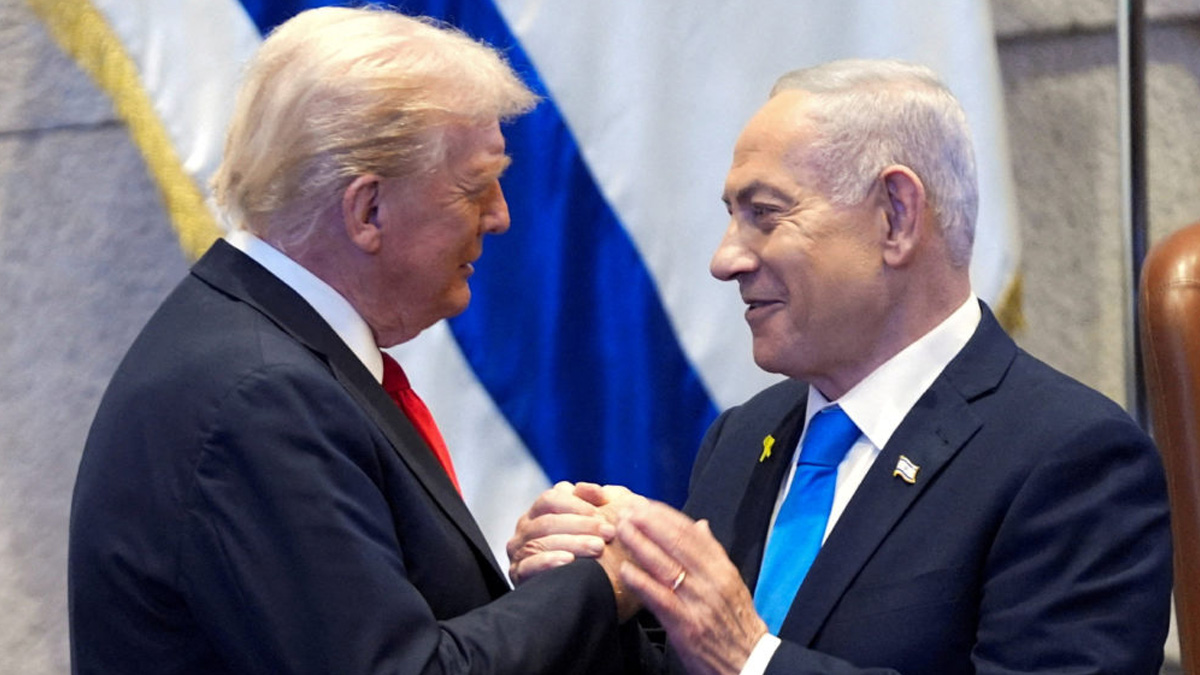
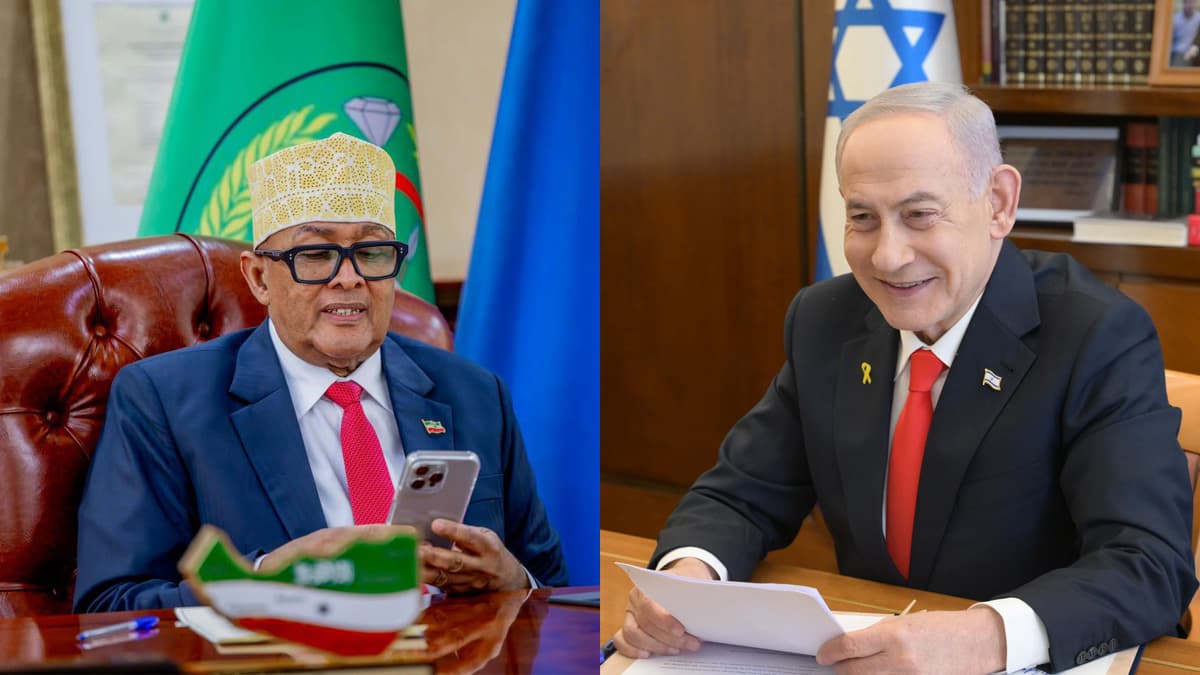
Israeli Prime Minister Benjamin Netanyahu confirmed the decision, stating that Israel would expand cooperation with Somaliland in key sectors such as agriculture, health and technology.
“This is a historic moment,” said Somaliland’s president, Abdirahman Mohamed Abdullahi, in response to the recognition. He also announced Somaliland’s intention to join the Abraham Accords, framing it as a step towards “regional and global peace.”
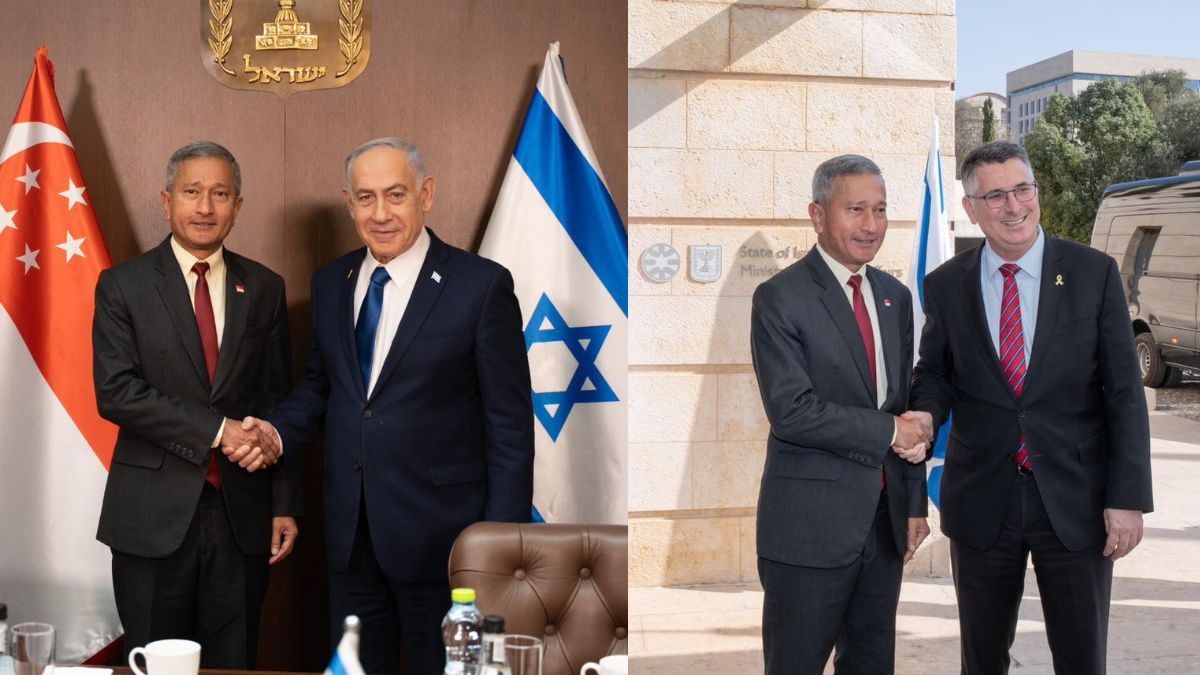
Israeli Foreign Minister Gideon Saar confirmed that the two sides had agreed to establish full diplomatic ties. “This includes the appointment of ambassadors and the opening of embassies,” he said in a statement posted on X. Saar added that he had instructed his ministry to begin immediate institutionalisation of relations across a broad range of fields.
Somalia, which considers Somaliland an integral part of its sovereign territory, has strongly condemned the move.
Prime Minister Hamza Abdi Barre said the Somali government “categorically and unequivocally rejects” what he described as a “deliberate attack” by Israel on Somalia’s sovereignty.
In a coordinated diplomatic push, the foreign ministers of Somalia, Egypt, Turkey and Djibouti issued a joint statement rejecting Israel’s announcement.
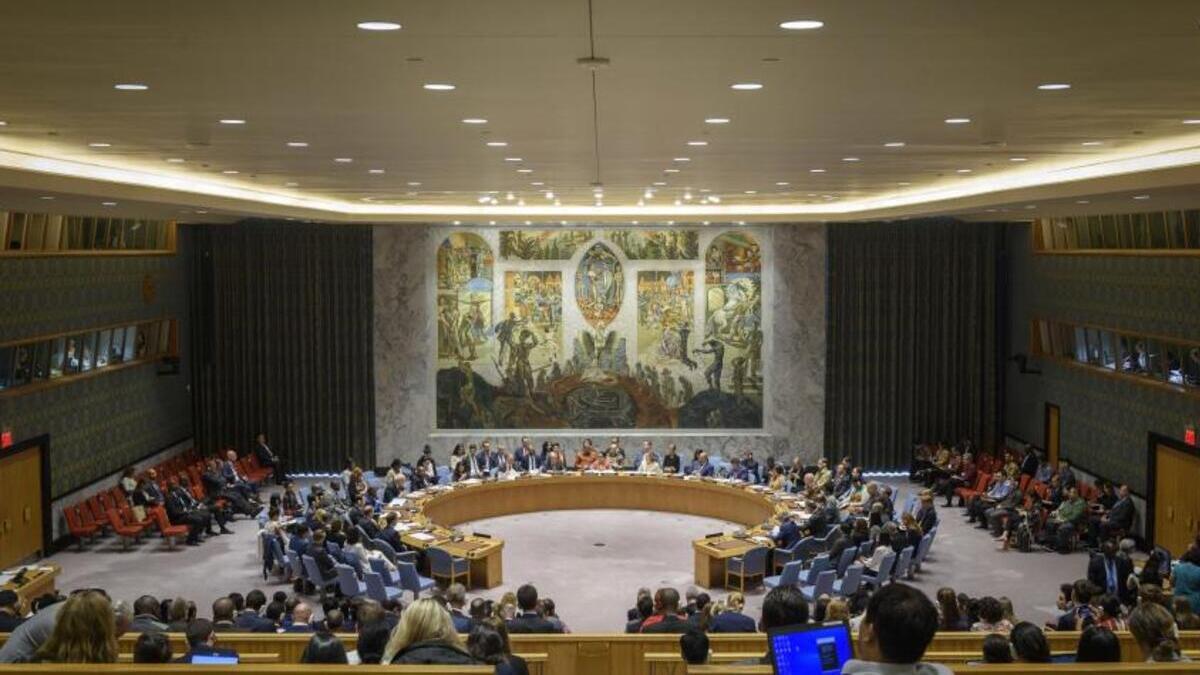
They affirmed their “total rejection” of the recognition, reiterating their support for Somalia’s unity, territorial integrity, and sovereign rights. The statement cautioned that unilateral recognition of breakaway regions “undermines stability” and sets a “dangerous precedent” under international law and the United Nations Charter.
Egypt’s foreign ministry reported that its foreign minister held separate phone calls with counterparts in Somalia, Turkey and Djibouti to discuss the situation. The group also condemned any perceived attempts to create “parallel entities” to Somalia’s national institutions.
The statement additionally reaffirmed their collective opposition to any plans to forcibly relocate Palestinians outside of their homeland, indirectly linking the Somaliland recognition to broader regional tensions involving Israel.
Somaliland, located along the Gulf of Aden, has operated with de facto independence since 1991 following a civil war that led to the ousting of Somalia’s former military ruler, General Siad Barre. Despite maintaining its own currency, passports, and security apparatus, it has struggled to gain formal recognition from the international community.
With a population approaching six million, Somaliland has long argued that its stability, governance and historical separation justify international legitimacy. However, its attempts have often run into resistance from Somalia and sympathetic regional powers.
The region’s strategic location has attracted growing attention. In 2023, Somaliland reached a controversial agreement with landlocked Ethiopia, allowing the latter to lease coastal territory for a port and military installation. The deal triggered outrage in Mogadishu and raised concerns in Cairo, which views Red Sea and Gulf of Aden access as critical to its national interests.
Israel’s decision may open the door for additional recognition, particularly among countries seeking influence along key maritime routes. It also aligns with Israel’s broader diplomatic strategy, initiated under the Abraham Accords, to normalise relations with African and Arab-majority nations.
The Abraham Accords, brokered under former US President Donald Trump in 2020, initially brought together Israel with the United Arab Emirates, Bahrain and later Morocco and Sudan. Netanyahu’s outreach to Somaliland is part of this wider agenda to build alliances in a changing regional order.
In a related development, Trump told the New York Post that he would not immediately follow Netanyahu’s move, saying he needed to “study” the recognition issue. Trump, who now chairs a United Nations-approved Board of Peace overseeing Gaza cease-fire implementation, said his focus remained on the Israel-Palestine conflict.
“I’ll communicate to President Trump your willingness and desire to join the Abraham Accords,” Netanyahu told Abdullahi during a celebratory video call.
However, Trump stated, “Just say, ‘No’,” in a phone interview, indicating hesitation in supporting Somaliland’s recognition at this stage.
The implications of Israel’s decision could be far-reaching, potentially reshaping diplomatic calculations in the Horn of Africa and reigniting debates around the legitimacy of self-declared states. Whether other nations will follow remains uncertain, but the precedent has now been set.