ASEAN maintains non-recognition of Myanmar elections amid regional concerns
ASEAN has confirmed it does not recognise Myanmar’s recent military-run elections, dealing a setback to the junta’s bid for legitimacy as regional leaders confront ongoing conflict and diplomatic strain.
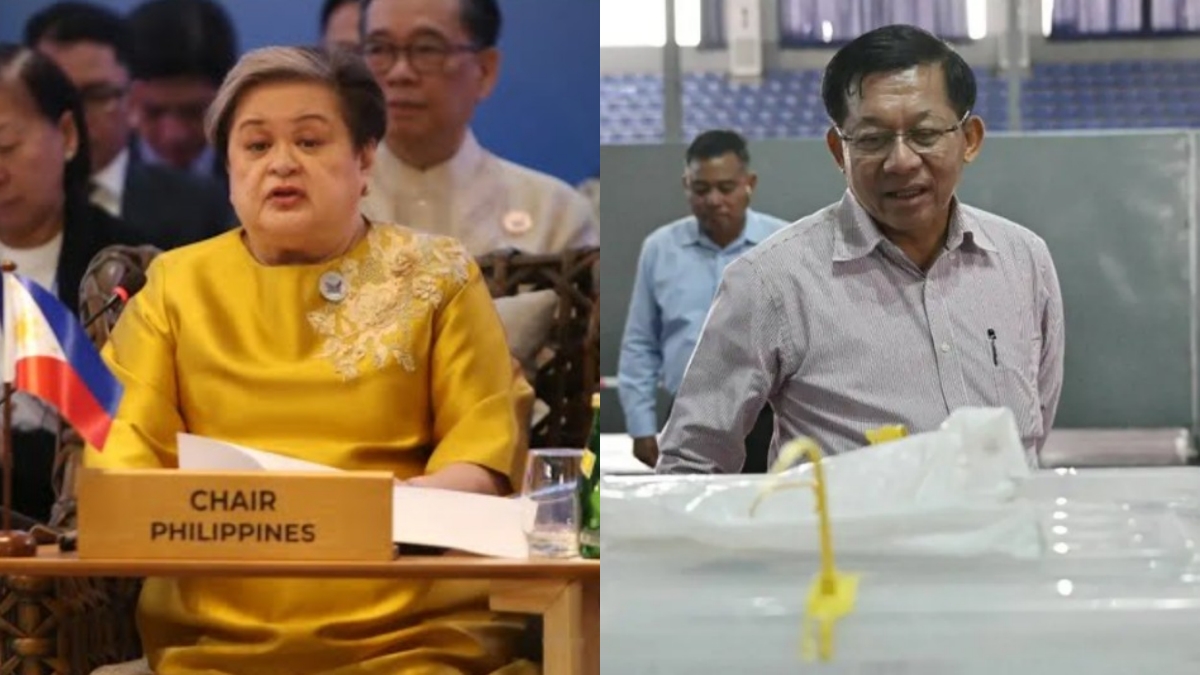
- ASEAN does not recognise Myanmar’s recent elections, according to the Philippine foreign secretary.
- The vote, claimed as a victory by a military-backed party, was widely criticised as neither free nor fair.
CEBU, PHILIPPINES: The Association of Southeast Asian Nations (ASEAN) does not recognise the recently held elections in Myanmar, the first since the military seized power in 2021, the Philippine foreign secretary said on 29 January 2026.
The bloc’s non-recognition represents a significant setback for Myanmar’s military rulers, who have sought international legitimacy through the vote, which a military-backed party claimed to have won.
Speaking at a news conference in the central city of Cebu, Philippine Foreign Secretary Theresa Lazaro confirmed ASEAN’s position when asked whether the bloc recognised the elections.
“Yes, as of now,” Lazaro said, adding that ASEAN “has not endorsed the three phases of the elections that were held”.
She did not elaborate on what circumstances, if any, could lead to a change in the bloc’s stance.
Myanmar crisis dominates ASEAN agenda
Lazaro was speaking after hosting ASEAN’s first major ministerial meetings of the year, where the protracted crisis in Myanmar featured prominently on the agenda.
Myanmar has been engulfed in a deadly civil war since the military forcibly removed Aung San Suu Kyi’s elected government in 2021, triggering widespread armed resistance and international condemnation.
ASEAN, whose 11 members include Myanmar, has refused to recognise the military-ruled government since the coup, barring junta representatives from high-level meetings.
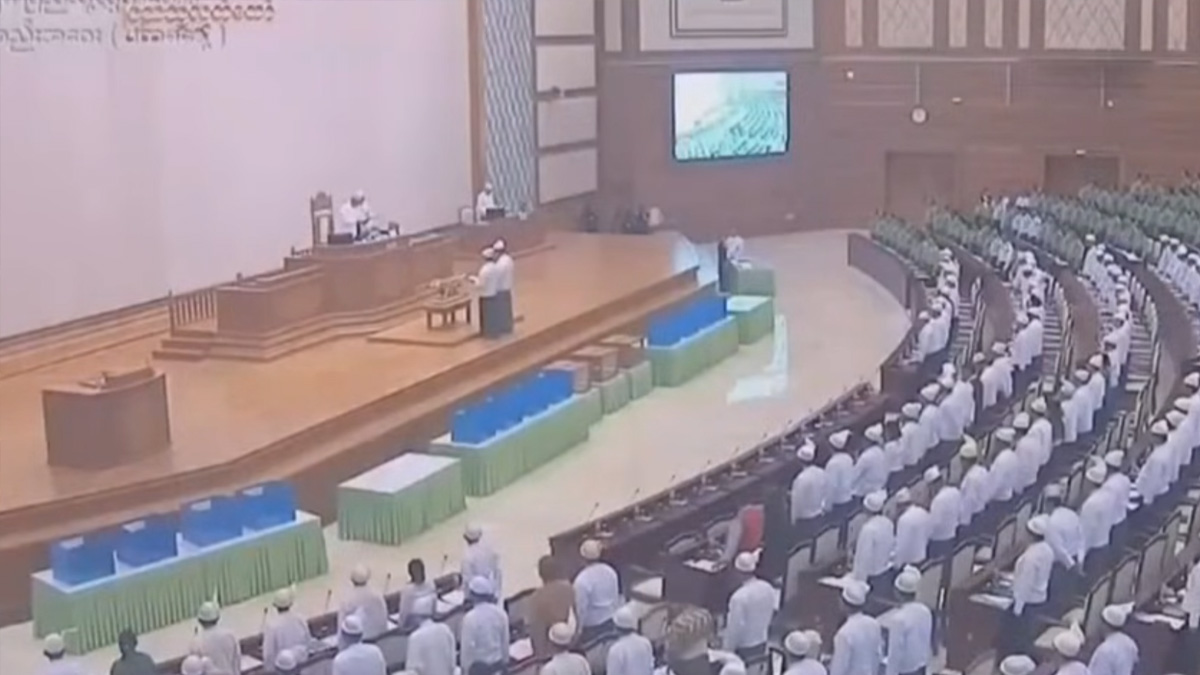
Myanmar’s military-backed Union Solidarity and Development Party claimed on Monday that it had won the elections, which were conducted in three phases.
The outcome was widely anticipated after major opposition parties were excluded from the process and political dissent was tightly restricted under military rule.
Under Myanmar’s political framework, a quarter of parliamentary seats are automatically reserved for the armed forces, effectively ensuring continued military influence regardless of electoral outcomes.
Credibility of vote under scrutiny
Critics argue the elections were neither free nor fair, describing them as an attempt to legitimise military control rather than restore democratic governance.
On 24 January 2026, Malaysian Foreign Minister Mohamad Hasan said conditions set by ASEAN leaders in October 2025 for a credible election in Myanmar had not been met.
Those conditions were intended to ensure inclusivity, security and meaningful participation amid ongoing conflict.
Rights groups highlight exclusion and repression
The Special Advisory Council for Myanmar (SAC-M) has also strongly criticised the electoral process, describing it as a hollow and fraudulent exercise.
According to SAC-M, at least 7.5 million people were excluded from voting due to the military’s limited territorial control and active conflict zones.
The group said the junta further cancelled voting in several locations during the final phase, intensifying doubts about the legitimacy of the process.
SAC-M also highlighted escalating repression linked to the elections, reporting that more than 400 people were prosecuted under the junta’s “Election Protection Law”.
The council described the law as a draconian tool used to silence criticism and suppress opposition during the electoral period.
ASEAN leadership and internal challenges
The Philippines currently holds ASEAN’s rotating chairmanship, assuming the role after Myanmar was suspended from taking its turn following the 2021 coup.
Founded in 1967, ASEAN brings together a diverse group of countries, ranging from democracies such as the Philippines to more authoritarian systems, including Laos and Cambodia.
The bloc adopted the theme “Navigating our future, Together” for 2026, but efforts to project unity have faced repeated challenges.
Last year, ASEAN was strained by deadly fighting between Thailand and Cambodia over a long-running border dispute, which was later halted by a US-backed ceasefire.
Regional security and major power tensions
Beyond Myanmar, ministers meeting in Cebu agreed to hold monthly talks with China in an effort to conclude negotiations this year on a long-delayed code of conduct for the South China Sea.
The discussions aim to manage disputes in a strategically vital waterway where China’s expansive claims overlap with those of several ASEAN members.
The deadline for concluding the non-aggression accord was self-imposed three years ago, amid growing pressure to demonstrate progress.
Call for restraint and rules-based order
Opening the meetings, Lazaro urged ASEAN members to maintain restraint and uphold international law as acts of aggression and unilateral actions threaten the rules-based global order.
She warned that tensions at sea, unresolved border disputes and internal conflicts continue to undermine regional stability.
Lazaro also noted that developments beyond Southeast Asia, including actions with cross-regional implications, were eroding multilateral institutions.
Several ASEAN members have expressed concern over rising geopolitical tensions involving major powers, complicating the bloc’s diplomatic balancing act.
Calling out both the United States and China, key trading and defence partners for many ASEAN states, remains a persistent dilemma for the region.