NSW police officers found to have fabricated evidence and unlawfully arrested man
A New South Wales police officer unlawfully arrested and assaulted a man who had gone to a station to request a car accident report, with an LECC investigation finding evidence of serious misconduct and recommending criminal charges.
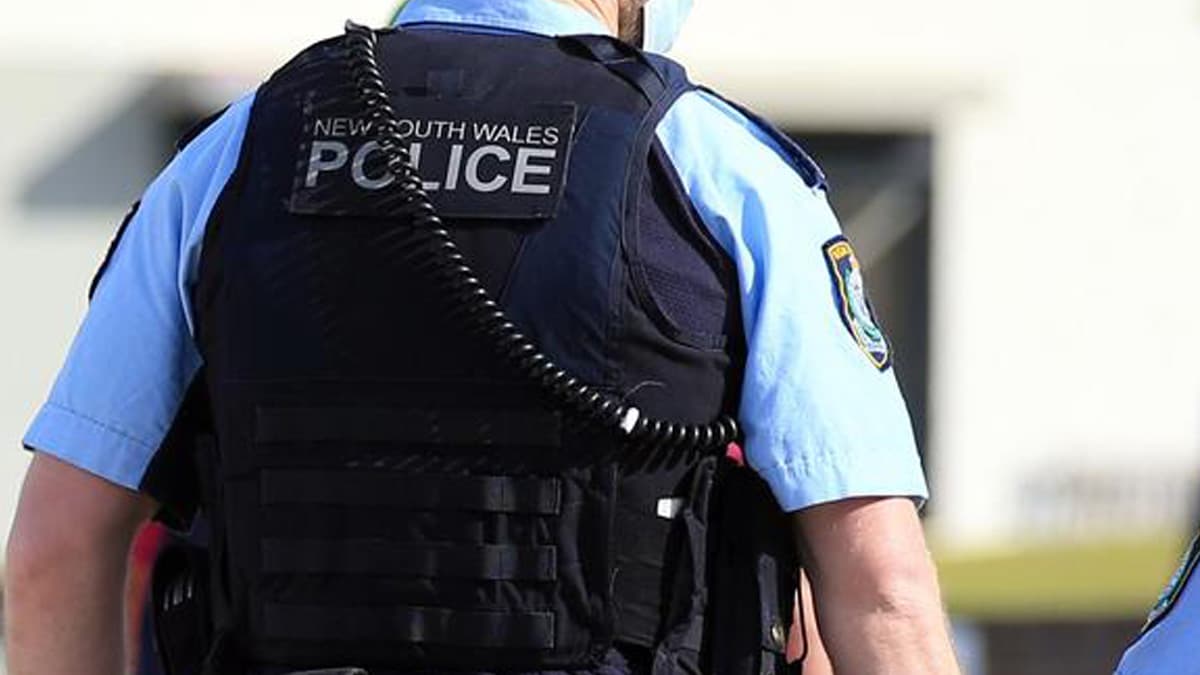
- A New South Wales police officer unlawfully arrested and assaulted a man who had requested a vehicle accident report, according to a Law Enforcement Conduct Commission (LECC) investigation.
- The LECC found that officers fabricated and tampered with evidence, gave false testimony under oath, and tried to conceal misconduct by deleting CCTV and phone recordings.
- Two officers have been recommended for dismissal, with the LECC referring the matter to the Director of Public Prosecutions (DPP) to consider criminal charges.
AUSTRALIA — On 17 December 2025, the Law Enforcement Conduct Commission (LECC) released a report detailing serious misconduct by New South Wales police officers, following an investigation into the 2021 unlawful arrest of a man known as Civ1.
The LECC's findings, arising from Operation Somnus, revealed that a senior police officer, referred to as Som1, unlawfully arrested Civ1, choked him, made offensive remarks, and attempted to delete incriminating evidence from Civ1’s mobile phone.
According to the LECC, Civ1 had visited Regional Police Station 1 in July 2021 to obtain a police report about a car accident he had been involved in. During this visit, the situation escalated after a heated exchange with officers, leading to his arrest on charges including offensive language and resisting arrest.
When the case reached court two years later, Civ1's defence team presented synchronised audio from his mobile phone overlaid on the station’s CCTV footage. This evidence directly contradicted police statements and revealed a false narrative had been constructed by officers involved.
The magistrate in the case expressed “grave concerns” about the conduct of the officers and made a cost order of over S$136,000 in favour of Civ1. The magistrate noted a “compelling inference” that police had tampered with evidence. This prompted an internal police investigation, which was later found by the LECC to be inadequate.
The LECC’s independent investigation found that Som1 had fabricated statements in official police documents, deleted six seconds of CCTV footage to conceal the deletion of Civ1's phone recording, and unlawfully choked Civ1 during the arrest. Som1 and a second officer, referred to as Som2, were also found to have provided false testimony under oath in court.
Civ1’s phone recording, which captured the incident and was recovered after being deleted by the officer, proved critical in exposing the misconduct. “Without that evidence, it is likely Civ1 would have been convicted based solely on false police testimony,” the Commission noted.
The LECC has recommended that both officers be dismissed under section 181D of the Police Act 1990 and has referred the matter to the Director of Public Prosecutions to consider charges including perjury, fabricating and tampering with evidence, and common assault.
Commissioner Anina Johnson emphasised the broader implications of the findings, stating, “Honest and accurate police statements are fundamental to the proper functioning of the criminal justice system. Collusion and fabrication represent a gross distortion of police powers and damage public confidence.”
The LECC also criticised the NSW Police Force's internal review, stating it had failed to uncover or address key misconduct. The officer who conducted that review, identified as Som3, acknowledged shortcomings in his investigation and claimed he lacked the necessary resources.
In addition to individual disciplinary recommendations, the LECC issued broader policy suggestions, including revising statement templates to ensure officers disclose all extrinsic materials considered during statement preparation. The report also called for changes to CCTV privacy practices in police stations, particularly the removal of ‘privacy squares’ that obscure key footage.
The Commission reiterated past warnings from the 1997 Wood Royal Commission, which highlighted systemic dangers of "process corruption" — such as false statements and collusion — within police forces. The Somnus case, the LECC argues, shows these risks remain relevant and inadequately addressed nearly three decades later.