Chemical plant blast in eastern China kills five, leaves six missing; dozens injured in Gaomi city
A massive explosion at a chemical plant in Gaomi city, Shandong province, has killed at least five people, injured 19, and left six missing. Authorities have launched a large-scale rescue and investigation.
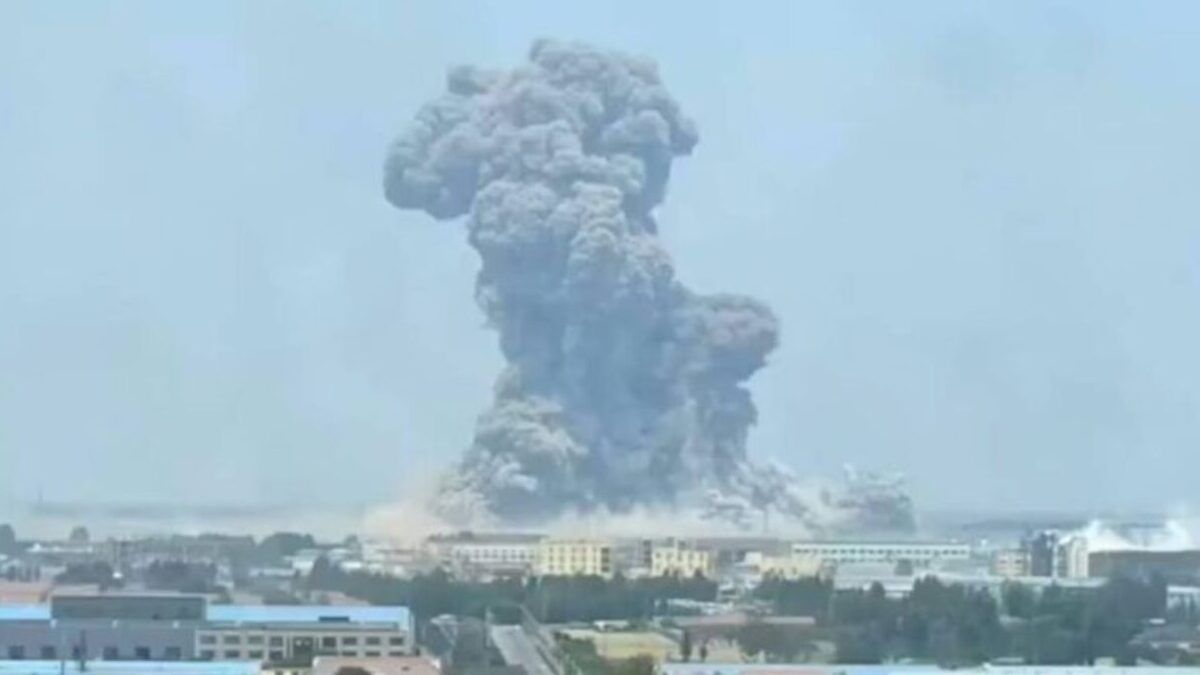
- Five killed, six missing, 19 injured after a chemical plant explosion in Gaomi, Shandong, on 27 May.
- Blast triggered a massive fireball, shattered windows, and damaged nearby homes.
- Over 230 emergency personnel deployed; fire largely contained but search ongoing.
- Environmental monitoring underway; residents advised to wear masks.
- Plant produces chemical intermediates for pesticides and pharmaceuticals.
- Incident highlights persistent concerns over industrial safety in China.
At least five people were killed and six remain missing after a powerful explosion tore through a chemical plant in eastern China’s Shandong province on Tuesday (27 May).
The blast occurred just before noon at a facility operated by Shandong Youdao Chemical in Gaomi, a city within Weifang prefecture.
According to state-run Xinhua News Agency, 19 others were injured. The explosion triggered a huge fireball and sent dense black smoke rising hundreds of metres into the sky, visible from several kilometres away.
Shockwaves and damage to homes
Residents across Gaomi reported hearing a deafening bang followed by violent shockwaves.
One local resident told thepaper.cn that his house was “shaken” by the blast. “My windows were shattered and objects were flung across the room,” he said.
He added that surrounding streets were littered with broken glass and even electrical appliances blown out from neighbouring homes.
Several social media videos circulating on Chinese platforms showed panicked residents running from the area as plumes of smoke towered above the city.
Emergency response
Local fire and rescue units quickly mobilised, dispatching 55 vehicles and 232 personnel to the site.
The national Ministry of Emergency Management later sent additional specialised teams to support search, rescue, and fire suppression efforts.
Authorities established a joint command centre to coordinate ongoing operations, which include:
-
locating the six missing workers,
-
treating the injured in nearby hospitals,
-
supporting displaced or affected families,
-
monitoring for potential environmental contamination.
As of Tuesday evening, the fire had been largely contained, though search and cleanup work continued.
Environmental concerns
Given the plant’s role in producing chemical intermediates for pesticides and pharmaceuticals, authorities are on high alert for possible toxic releases.
The Weifang Ecological Environment Bureau has deployed staff to conduct on-site air and water testing.
Results have yet to be released, but residents living near the chemical park have been advised to wear face masks and avoid unnecessary outdoor activity until further notice.
Some online users expressed concern about groundwater contamination, noting the plant’s location within a heavily industrialised zone.
Company background
Shandong Youdao Chemical was established in August 2019 and is located inside the Gaomi Renhe Chemical Park, covering more than 47 hectares.
The company employs over 300 workers and manufactures key chemical ingredients used in pesticides, pharmaceuticals, and other industrial applications.
It is owned by Himile Group, a major private enterprise headquartered in Shandong. Himile also controls the listed company Himile Mechanical.
In the wake of the explosion, shares of Himile Mechanical fell nearly 3.6 per cent on Tuesday trading.
Industrial safety in China under scrutiny
This tragedy is the latest in a string of deadly chemical plant accidents that have raised ongoing concerns about industrial safety in China.
In 2024, a chemical plant explosion in the Ningxia region killed seven workers.
In 2023, a blast at a Jiangxi chemical facility left multiple people dead and injured dozens.
The most catastrophic incident in recent memory was the 2015 Tianjin disaster, when twin blasts at a warehouse storing hazardous chemicals killed more than 170 people and injured over 700. The explosions were so powerful they registered as seismic events and caused billions of yuan in damage.
In response, Beijing pledged sweeping reforms to improve oversight of dangerous chemicals, including stricter licensing, tighter storage rules, and mandatory risk assessments.
However, critics and safety experts argue that enforcement remains inconsistent, particularly at smaller or mid-sized facilities under local jurisdiction.
Public reaction and censorship
News of the Gaomi blast spread quickly across Chinese social media platforms such as Weibo and Douyin. Many users shared images of shattered windows and videos of the towering smoke column.
Some commenters demanded greater accountability and transparency from both the company and local officials. Others expressed fatigue, noting that such accidents have become “all too familiar” in China’s industrial heartlands.
Authorities have since moved to tightly control online discussion. Several posts speculating about the cause of the explosion were swiftly removed.
Official investigation launched
The State Council’s Work Safety Committee announced that a formal investigation has been launched to determine the root cause of the explosion.
Experts will examine potential lapses in storage, handling, or safety protocols, as well as whether the company was in compliance with existing environmental and safety regulations.
Officials pledged “severe punishment” for any violations uncovered, vowing that accountability will extend to corporate executives and local regulators if negligence is found.
Families await news
Meanwhile, families of the six missing workers remain in limbo. Local media reported that relatives gathered outside the plant gates late into the evening, anxiously awaiting updates.
Volunteers from community groups have been deployed to provide counselling and logistical support to bereaved families and those affected by the blast.
Hospitals in Gaomi and nearby Weifang city are treating the 19 injured, several of whom remain in serious condition.