RSF condemns China’s detention of journalists Liu Hu and Wu Yingjiao over corruption report
Rights group RSF has condemned the detention of journalists Liu Hu and Wu Yingjiao after they exposed alleged corruption by a Sichuan county party official. The article was removed, and both now face charges of making false accusations and illegal business operations.
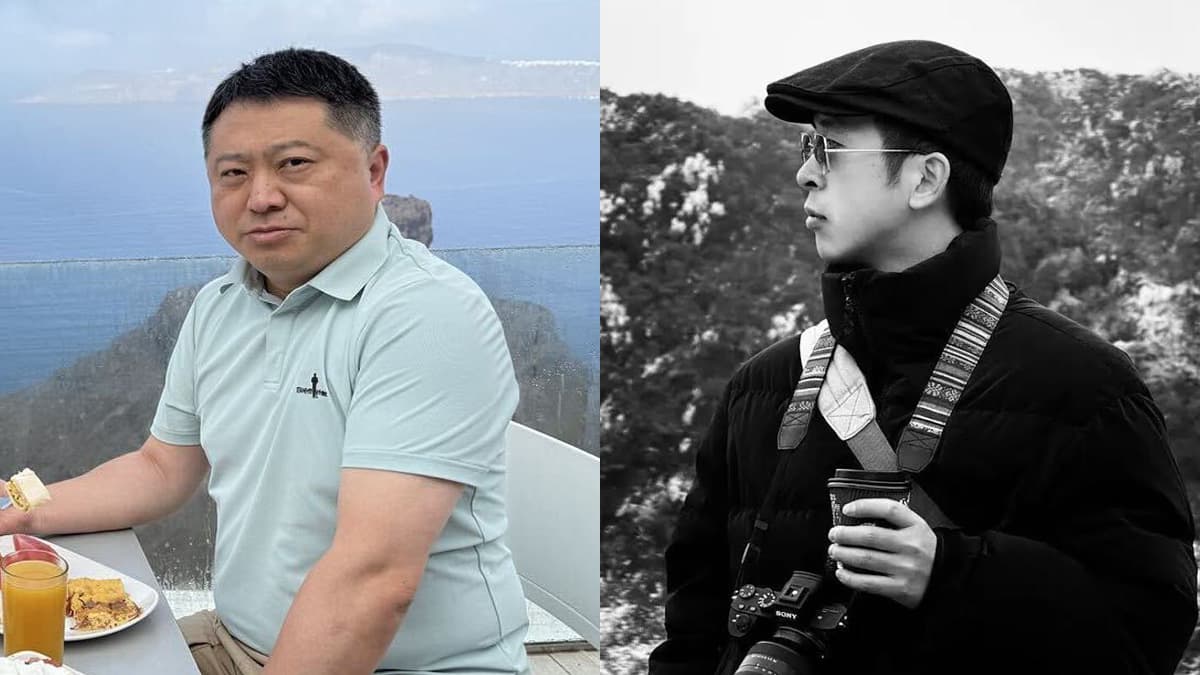
- Journalists Liu Hu and Wu Yingjiao were detained after reporting alleged corruption by Sichuan officials.
- RSF decries the arrests as emblematic of China's escalating repression of independent journalism.
- The article triggering the arrests was deleted from WeChat, and both journalists face criminal charges.
Two independent Chinese journalists have been detained by police following their publication of an investigative report that alleged corruption among local officials in Sichuan province, prompting condemnation from international rights groups.
Reporters Without Borders (RSF) on 3 February 2026 denounced the detention of Liu Hu and Wu Yingjiao as an attack on press freedom. The group urged the Chinese government to release the journalists immediately and cease its persecution of independent media.
According to RSF, Liu and Wu were taken into custody on 1 February 2026 after publishing an exposé implicating Pu Fayou, the Communist Party Secretary of Pujiang County.
The report, posted on 29 January 2026 via a public WeChat account, alleged Pu had been involved in misconduct leading to economic mismanagement and had previously played a role in driving an academic to suicide.
The article, titled “The Sichuan county party secretary who once drove a professor to death, is now driving investment enterprises to bankruptcy”, was later removed from public view.
On 2 February, police in Chengdu issued a statement confirming that a 50-year-old surnamed Liu and a 34-year-old surnamed Wu were under criminal coercive measures — a legal term often used to denote detention — for “spreading false accusations” and “illegal business operations.”
Although the statement did not identify the individuals in full, several Chinese media outlets and RSF confirmed they were Liu Hu and Wu Yingjiao.
In a statement, RSF’s Asia-Pacific advocacy manager, Aleksandra Bielakowska, said: “We are appalled by the detention of Liu Hu and Wu Yingjiao. This arrest highlights just how restrictive and hostile China has become toward independent reporting.”
She added that under President Xi Jinping’s leadership, information control in China has reached “near-totalitarian levels,” where journalists are treated as state threats.
Prior to his detention, Liu Hu had posted screenshots of a text exchange with an individual claiming to represent the Chengdu Commission for Discipline Inspection. The official urged Liu to submit corruption complaints through formal channels rather than publish them online.
Liu reportedly responded that the article “wasn’t a tip-off nor was it a petition, so there is no need for your office’s reminder.”
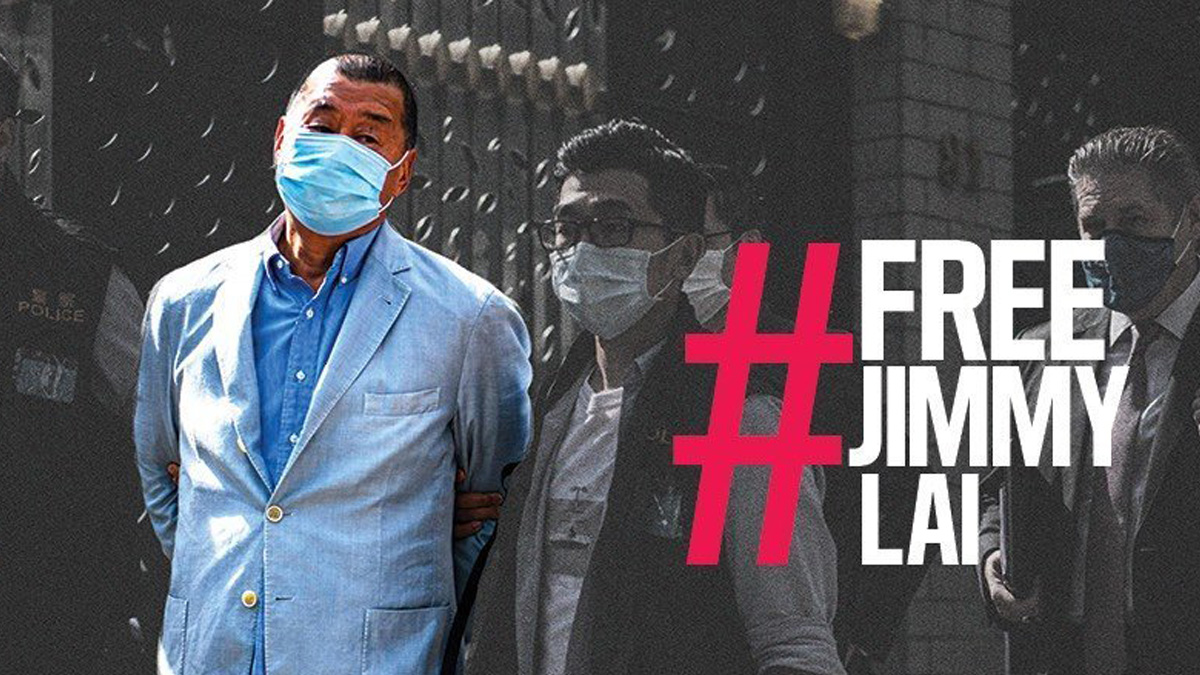
Liu Hu is a veteran investigative journalist known for his earlier reports on high-level corruption. He was previously arrested in 2013 on charges of defamation, though the case was later dropped. In 2014, RSF named him one of its “100 Information Heroes.”
His co-author, Wu Yingjiao, is a freelance investigative reporter and photographer recognised by several independent journalism awards, as noted by Chinese outlet Weiquanwang.
Both journalists now face serious legal jeopardy in a country that RSF ranks near the bottom of its global Press Freedom Index — 178th out of 180 countries as of 2025.
China remains the world’s largest jailer of journalists, with at least 123 media workers currently behind bars.
Independent journalism in China has faced mounting suppression, particularly since Xi Jinping assumed leadership in 2012.
With state media fully controlled by the government, many investigative journalists have turned to social platforms like WeChat to publish and disseminate their work. Despite this, content deemed politically sensitive is often quickly deleted, and those responsible risk surveillance, harassment, or arrest.
To avoid detection, many Chinese reporters now use pseudonyms and digital tools to mask their identities. Nevertheless, investigative reporting remains a high-risk activity.
RSF warned that China’s press repression is not limited to its own borders. The government’s global strategy now includes overseas media acquisitions, coordinated online disinformation, and pressure on foreign journalists, all aimed at exporting a censorship model aligned with Beijing’s authoritarian governance.
“Normalising diplomatic or economic relations without addressing these violations only enables further repression,” RSF cautioned.