Woman ordered to apologise to cheating husband turns court-mandated apology into viral exposé
A woman in China who was ordered by a court to apologise publicly to her cheating husband for 15 consecutive days has sparked nationwide debate after turning her “apology” videos into a detailed public exposé of his five-year affair — drawing massive online attention and official consequences for the man involved.

- A Chinese woman was ordered by a court to apologise for exposing her husband’s affair online.
- She complied — but used daily apology videos to further detail his infidelity, triggering viral outrage.
- The husband has since been suspended from his job, while legal experts warn she may face further legal risks.
CHINA: A woman surnamed Niu, from Henan province in China, has gone viral after being ordered by a court to publicly apologise to her husband for 15 consecutive days — only to turn the apology into what netizens describe as an “apology-style punishment”.
According to local reports, Niu discovered that the affair had lasted for approximately five years during their 17-year marriage. She later alleged that during this period, Gao not only engaged in emotional and physical infidelity, but also subjected her to domestic violence, and used joint marital assets to purchase a large number of items for the other woman.
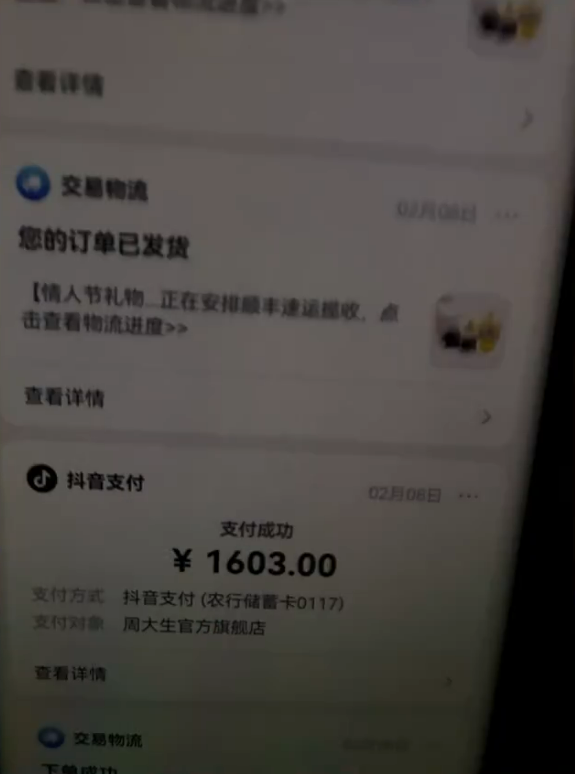
Niu claimed these purchases were made without her knowledge or consent and included repeated spending on gifts and daily expenses for the mistress, further deepening the marital dispute.
Angered by the betrayal, Niu previously took to social media to publish evidence of the affair. However, Gao later sued her for infringement of reputation and privacy.
Court Ruling: No Compensation, But Mandatory Apology
While the court rejected Gao’s claim for 20,000 yuan (approximately US$2,875) in emotional damages, it ruled that Niu had unlawfully disclosed personal information.
The court ordered her to remove the related posts and videos, and to publish a court-approved apology statement on platforms such as Baidu and Douyin for 15 days, without deleting or altering it.
‘Apology Videos’ Go Viral
Beginning 12 January, Niu started uploading daily apology videos on her Douyin account, “Na Jie Reborn”.
In the videos, she calmly stated that she respected the court’s decision and read out the apology text, including lines such as:
“You and Ms Han are truly in love,” and “I should not have exposed the fact that you engaged in an extramarital affair for five years.”
In later videos, she went further — clarifying full names, job titles, and timelines, explaining that she did so to avoid “misidentifying people with the same name”, based on netizens’ suggestions.

Husband Faces Workplace Consequences
While the videos were framed as apologies, many viewers noted that they effectively laid out the full details of Gao’s affair, quickly gaining millions of views and triggering intense online discussion.
Local reports said Gao is a party branch secretary at Gengcun Coal Mine in Sanmenxia, Henan.
Following the viral spread of the apology videos, the coal mine issued a statement on 17 January, confirming that Gao had already been subjected to party disciplinary action on 5 December 2025, and has now been suspended pending further investigation.
‘Apology-Style Punishment’ and Online Debate
Netizens dubbed the saga an “apology-style execution”, with many tuning in daily to follow what some described as a “real-life serial drama”.
Some joked that the apology should be delivered “three times a day — morning, afternoon and night” across multiple platforms to show sincerity.
Niu’s popularity also brought commercial attention, as she began livestream selling products during the apology period, prompting debate over whether she was monetising the controversy.
Legal Risks Still Remain
However, legal experts have warned that Niu may still be exposed to further lawsuits.
Lawyers pointed out that repeatedly disclosing Gao’s full name, workplace and personal details — even in the form of an apology — could constitute further violations of privacy or reputation rights.
Despite this, many netizens continued to support her, arguing that transparency prevents innocent people with the same name from being misidentified.
As of now, some of Niu’s videos and livestreams have reportedly been restricted or taken down, and tipping functions disabled, sparking backlash from her followers.
The case continues to fuel debate in China over privacy rights, marital infidelity, and whether the law sufficiently protects victims who speak out online.