Indonesia’s anti-graft body names ex-minister suspect over alleged corruption in Hajj quota allocation
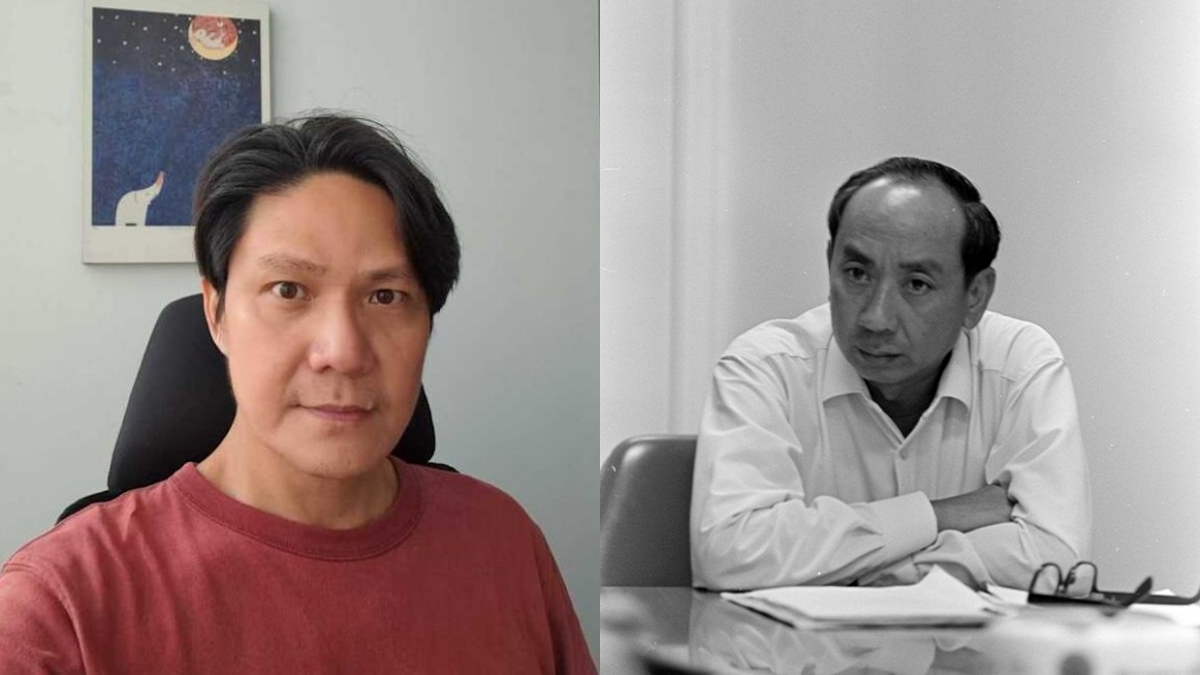
Indonesia’s anti-graft agency has named former religious affairs minister Yaqut Cholil Qoumas a suspect in an alleged corruption case involving redistribution of additional Hajj quotas for 2023–2024.
- The KPK has named former religious affairs minister Yaqut Cholil Qoumas a suspect over alleged corruption in additional Hajj quota allocations for 2023–2024.
- Investigators allege unlawful quota redistribution favoured special Hajj services, generating illicit payments and state losses exceeding Rp1 trillion.
- The case has prompted calls to examine oversight at higher policy levels, after former president Joko Widodo denied issuing any directives enabling corruption.
Indonesia’s Corruption Eradication Commission (KPK) has formally named former Religious Affairs Minister Yaqut Cholil Qoumas a suspect in an alleged corruption case involving the allocation of additional Hajj pilgrimage quotas, a controversy that has raised questions not only about financial misconduct but also about government accountability in managing one of the country’s most sensitive public services.
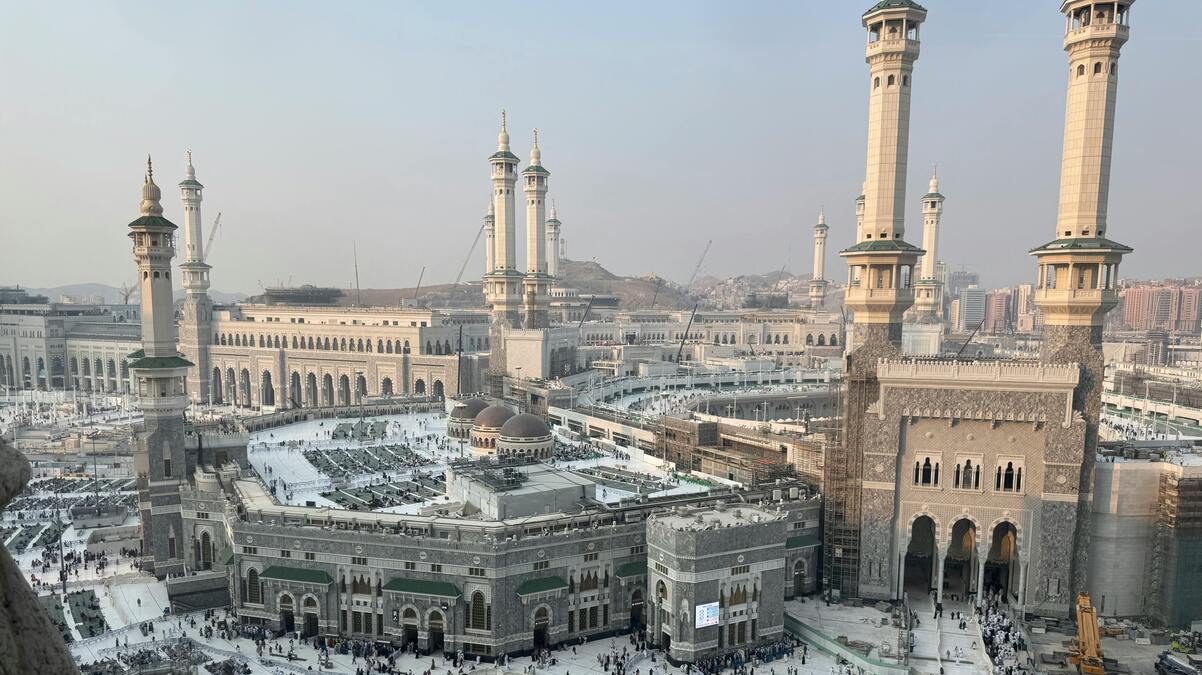
The case concerns the organisation of Indonesia’s Hajj pilgrimage during the 2023–2024 seasons and centres on how an additional quota granted by Saudi Arabia was distributed. Investigators argue the decision deviated from national regulations and enabled illicit payments linked to quota allocation.
Beyond the alleged bribery, the KPK insists the case qualifies as corruption because it caused losses to state-managed resources and disrupted government planning intended to reduce the country’s enormous Hajj waiting list.
Why the Case Is Treated as Corruption
Public debate quickly followed the investigation, as many Indonesians questioned how corruption could occur when pilgrimage costs are paid by pilgrims rather than funded by the state budget.
However, the KPK maintains that Hajj quotas themselves are state-managed assets.
“The Hajj quota is granted by the Saudi Arabian Government to the Government of Indonesia, meaning it is allocated to the state. Therefore, it falls within the scope of state finances,” KPK spokesperson Budi Prasetyo explained in January.
According to investigators, the additional quota was intended primarily to reduce waiting times for regular pilgrims, many of whom must wait between 10 and 30 years before departure due to overwhelming demand.
When allocation rules were allegedly altered, the policy undermined government planning aimed at accelerating departures for those already in line. The KPK argues that such disruption constitutes not only financial loss but also institutional harm affecting public service delivery.
In essence, investigators say corruption occurred not simply through alleged bribery but through manipulation of state-managed quotas meant to serve millions of citizens waiting to fulfil a religious obligation.
How the Controversy Began
Indonesia, home to the world’s largest Muslim population, receives the largest Hajj quota globally. For 2024, the country was initially allocated 221,000 pilgrimage places.
Saudi Arabia later granted Indonesia an additional 20,000 slots intended to shorten waiting lists for regular pilgrims.
Under Law No. 8 of 2019, quota distribution must allocate 92 per cent to regular pilgrims and only eight per cent to special Hajj programmes, which are organised by private travel agencies offering faster but significantly more expensive packages.
Investigators allege that instead of following this formula, authorities divided the additional quota equally: 10,000 slots each for regular and special Hajj.
This decision effectively shifted thousands of seats toward premium packages, preventing many regular pilgrims — some of whom had waited over a decade — from departing despite the additional allocation.
Authorities suspect certain allocations were influenced by lobbying and illicit payments involving travel agencies and ministry officials.
Investigation Timeline and Evidence
The KPK launched its formal investigation in June 2025 following complaints from civil society organisations and findings by a parliamentary inquiry committee that reported irregularities in Hajj management.
Investigators subsequently questioned numerous officials and private-sector actors, including travel agencies and associations representing Hajj operators.
In August 2025, Yaqut Cholil Qoumas was questioned for several hours as investigators traced decision-making processes behind quota allocation.
Travel bans were later imposed on several individuals connected to the case, including Yaqut and his former special staff member Ishfah Abidal Aziz, also known as Gus Alex.
Search operations led to seizures of cash amounting to US$1.6 million, along with vehicles and properties suspected of being linked to illicit proceeds.
Additional assets were confiscated later in the investigation, including houses allegedly owned by officials connected to the Directorate General of Hajj and Umrah.
To strengthen evidence, KPK investigators travelled to Saudi Arabia in December 2025 to verify quota arrangements directly with local authorities.
According to KPK spokesperson Budi Prasetyo, suspect designations were based on substantial evidence, including documents, electronic data, and witness testimony.
“The evidence is substantial, and all KPK leaders unanimously agreed to designate the parties concerned as suspects,” he said.
Alleged Mechanism of the Scheme
Investigators believe ministry officials avoided direct negotiations with travel agencies, instead working through intermediaries and associations.
Following lobbying from travel industry representatives, Ministerial Decree No. 130 of 2024 was issued, which allowed the additional quota to be distributed equally between regular and special programmes.
This resulted in special Hajj allocations increasing dramatically, while thousands of regular pilgrims lost the opportunity to depart that year.
KPK investigators are also examining alleged kickback flows, in which payments are suspected to have moved from pilgrims through travel agencies to certain officials within the ministry.
Acting Deputy for Enforcement Asep Guntur Rahayu said investigators are still tracing how funds circulated among involved parties.
Why the Issue Is Highly Sensitive
The controversy has sparked strong reactions because it affects how quickly Indonesians can perform the Hajj pilgrimage, which is a once-in-a-lifetime religious obligation for Muslims who are financially and physically able.
Regular Hajj, organised by the government, costs roughly Rp55 million (around USD 3,500), but waiting periods can stretch decades due to limited quotas.
Special Hajj programmes, meanwhile, are organised by licensed private operators and cost at least Rp130 million (USD 8,000). These packages offer faster departures and more comfortable services, typically allowing pilgrims to travel within five to nine years.
Critics argue that diverting additional quotas to premium programmes benefits wealthier pilgrims while prolonging waits for ordinary citizens.
Jokowi’s Role and Political Fallout
Former President Joko Widodo, widely known as Jokowi, has also been drawn into public discussion after critics questioned whether broader executive-level policy direction influenced the disputed quota decision.
Speaking at his residence in Solo in January, Jokowi acknowledged that ministerial programmes generally stem from presidential policy direction.
“In every case my name is implicated. Whatever ministers implement inevitably originates from presidential policies, instructions, and directives,” he said.
However, he denied issuing instructions that violated the law.
“There are no orders, no directives for corruption,” Jokowi said.
Officials have clarified that Jokowi’s 2023 visit to Saudi Arabia did not include formal negotiations on quota distribution, though pilgrimage matters were mentioned alongside broader bilateral cooperation.
So far, investigators have not named Jokowi as a suspect, and no evidence has been presented linking him directly to unlawful actions. Legal experts note that criminal liability would require proof of explicit orders or personal benefit.
What Comes Next
The KPK says investigations are ongoing, with the possibility of additional suspects being named as financial flows continue to be traced.
The commission has pledged to bring the case to court, while public attention remains focused on whether reforms will follow to improve transparency in Hajj management.