Malaysian Bar calls for transparent probe into anti-graft chief Azam Baki amid shareholding claims
The Malaysian Bar is calling for an independent, transparent and timely investigation into allegations against MACC chief Azam Baki, warning that public trust in Malaysia’s anti-corruption framework depends on how the government handles the controversy.
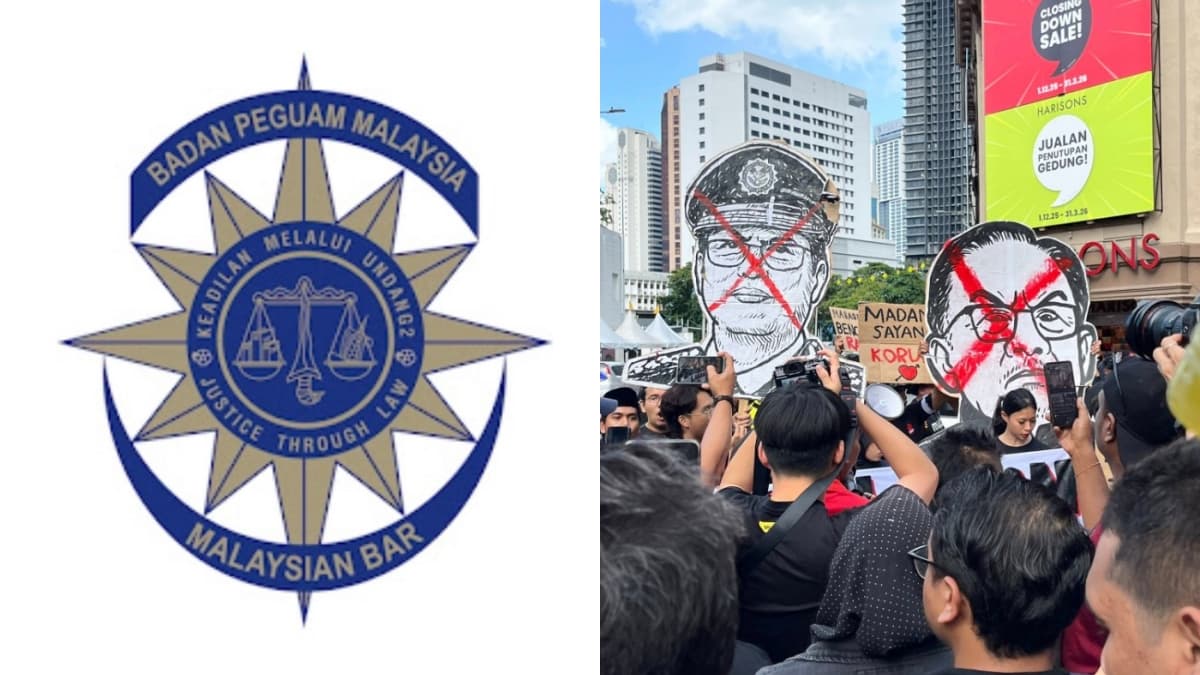
- The Malaysian Bar has called for an independent, transparent and timely probe into allegations involving MACC chief Azam Baki.
- The government has formed a special investigation committee on the matter.
- Public scrutiny has intensified following Bloomberg reports on Azam’s alleged shareholdings exceeding civil service limits.
KUALA LUMPUR, MALAYSIA: The Malaysian Bar has urged the government to ensure that investigations into allegations involving Malaysian Anti-Corruption Commission chief commissioner Tan Sri Dato’ Sri Azam Baki are conducted with “principled transparency and lawful accountability”.
In a statement issued on 16 February 2026, Bar president Mohamad Ezri b Abdul Wahab said the controversy “touches directly on public confidence in institutional integrity”, given Azam’s leadership role at the anti-graft agency.
The Bar stressed that it was not commenting on the merits of any allegation.
It maintained that questions of fact must be determined through proper legal processes and based on evidence.
However, it said concerns involving the head of the principal anti-corruption body transcended personalities and raised broader questions about institutional credibility.
Institutional trust at stake
The Malaysian Anti-Corruption Commission occupies a central role in Malaysia’s governance framework.
According to the Bar, its legitimacy depends not only on statutory powers but also on public trust that its leadership is beyond reproach.
“In circumstances where allegations have generated sustained public debate, the response of the government must be measured against a single critical standard, whether it strengthens or weakens that trust,” Mohamad Ezri said.
The government has announced the formation of a special investigation committee to examine the matter.
The committee will be chaired by Attorney-General Tan Sri Mohd Dusuki Mokhtar.
Call for independent and transparent process
The Bar emphasised that the effectiveness of any mechanism depends on several factors: independence, transparency, timeliness and consistency with the rule of law.
It said any review must be demonstrably free from executive or political influence.
Public confidence, it added, must rest on process rather than assurances.
The Bar also called for clarity regarding the scope of inquiry, applicable legal standards and findings, warning that conclusions without sufficient explanation would not quell public doubt.
It stressed that prolonged uncertainty erodes institutional credibility, particularly when senior public office bearers are involved. All officials, irrespective of rank, must be subject to the same legal and ethical standards.
Allegations over shareholdings
The controversy intensified after a report by Bloomberg alleged that Azam still held shares far above what is permitted for civil servants in 2025.
According to the report, Azam allegedly held 17.7 million shares in a financial services firm, valued at approximately RM800,000, about US$205,000.
This exceeds the RM100,000 limit permitted for public servants under existing regulations.
In a subsequent report on 12 February 2026, Bloomberg alleged that MACC officials were assisting a group of businessmen to take control of companies, citing internal documents and interviews.
Azam’s response
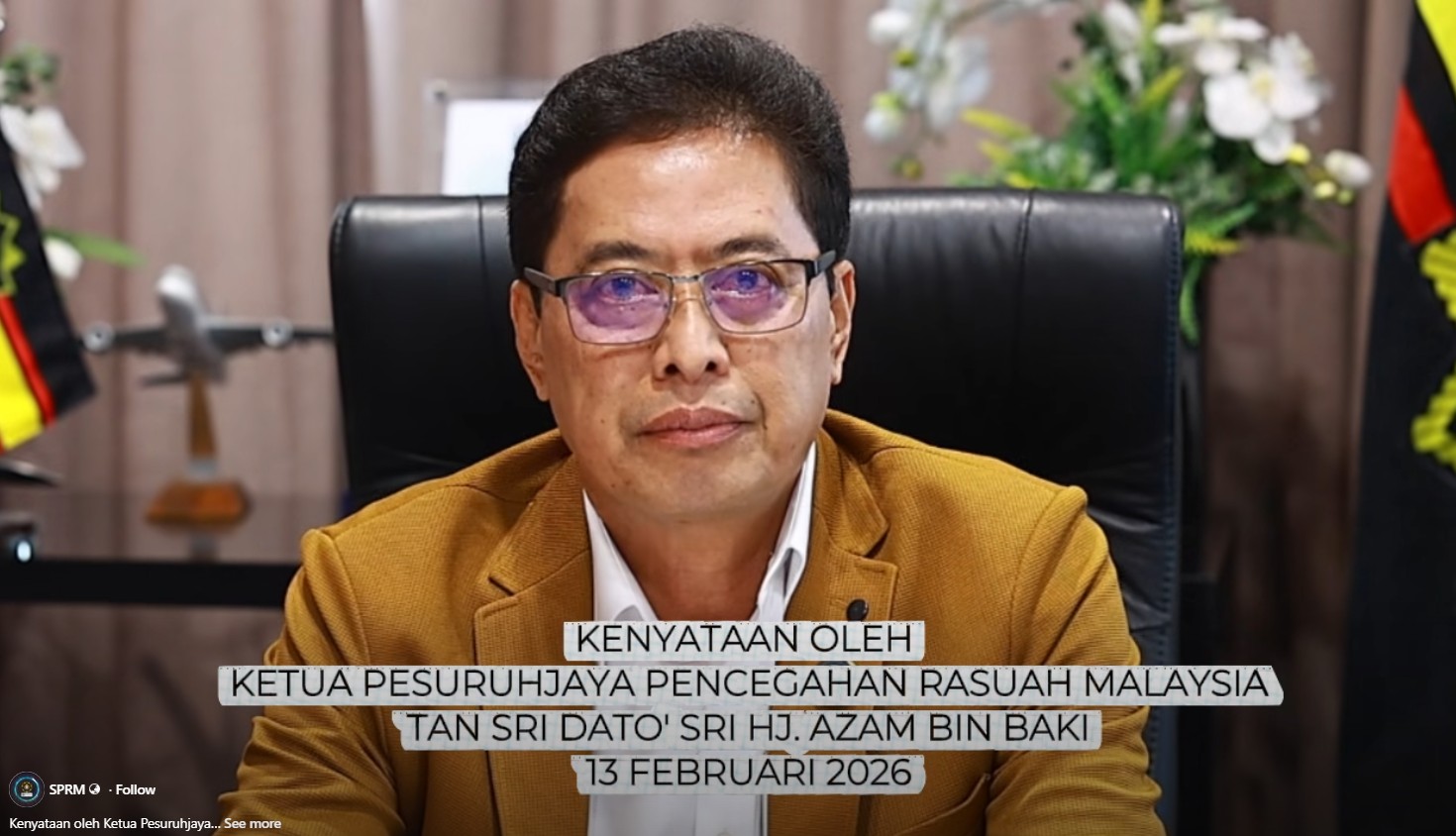
Azam has denied wrongdoing and said he would cooperate fully with the special committee investigating his share ownership.
Speaking to local media on 15 February 2026, he said he was ready to provide any necessary documents or statements and reiterated that he had “nothing to hide”.
When asked whether he would take a leave of absence during the probe, Azam dismissed the suggestion.
He said others who had been charged in court remained on duty, implying that stepping aside was unnecessary.
He also addressed allegations circulating online, including claims that the MACC was working with a “corporate mafia”, urging those with information to file official reports with the authorities.
Protests and political implications
Public pressure has mounted in recent days.
On 15 February 2026, a crowd dressed in black gathered in Kuala Lumpur demanding Azam’s resignation over the shareholding controversy.
The protest was led by institutional reform group Bersih, which criticised the government’s response as insufficiently robust and called for sterner action.
Among those present was former economy minister Rafizi Ramli, who reminded the ruling coalition that public frustration with systemic corruption had contributed to its rise to power.
The episode has revived debate over governance and oversight of Malaysia’s anti-corruption agency.
Azam previously faced criticism in late 2021 over questions surrounding his stockholdings, with protests held in January 2022.
Prime Minister Anwar Ibrahim has extended Azam’s one-year contract three times after he reached mandatory retirement age, praising what he described as Azam’s “extraordinary courage” in pursuing cases involving influential figures.
Azam’s current contract is scheduled to end in May 2026.