Malaysian Chinese-language daily China Press under investigation over alleged mistranslation of King’s remarks
Malaysian authorities are investigating Chinese-language daily China Press over an alleged mistranslation of the King’s parliamentary address on the national language, following a public complaint and backlash on social media.
- Authorities are investigating China Press over an alleged mistranslation of the King’s remarks on Bahasa Melaysia.
- The probe is conducted by MCMC under Section 233 of the Communications and Multimedia Act 1998 after a public complaint.
- The newspaper deleted the initial post and issued a revised headline, while officials urged restraint and respect for due process.
KUALA LUMPUR, MALAYSIA: Malaysian authorities have confirmed an investigation into Chinese-language daily China Press over an alleged mistranslation of remarks made by the Yang di-Pertuan Agong during the opening of the 2026 parliamentary session.
Communications Minister Datuk Fahmi Fadzil on 20 January said the Malaysian Communications and Multimedia Commission (MCMC) is probing content published by the newspaper following a formal complaint lodged by a member of the public.
According to Fahmi, the investigation is being carried out under Section 233 of the Communications and Multimedia Act 1998, which addresses the improper use of network facilities or communication services.
He said the provision relates to content that may cause confusion, public anxiety, or disrupt harmony, adding that MCMC had briefed him on the matter.
Fahmi clarified that any police reports lodged by individuals regarding the issue would be treated separately and would fall entirely under the jurisdiction of the police.
He stressed that such reports would be investigated in accordance with existing laws, independent of the MCMC’s regulatory probe.
The investigation follows a now-deleted Facebook post by China Press that carried a Mandarin headline suggesting Sultan Ibrahim had said Malaysians who do not understand Bahasa Malaysia should not stay in Malaysia.
The headline, rendered in Mandarin as “不懂马来语,别住大马”, was widely criticised online, with critics arguing it misrepresented the King’s actual remarks.
The wording drew swift backlash on social media, with commentators accusing the newspaper of inflaming racial sensitivities and distorting the monarch’s message.
China Press subsequently removed the initial post and published a revised version with a new headline.
The updated headline reflected the King’s remarks more accurately, stating that Malaysians who cannot accept Bahasa Malaysia as the national language are better off living elsewhere.
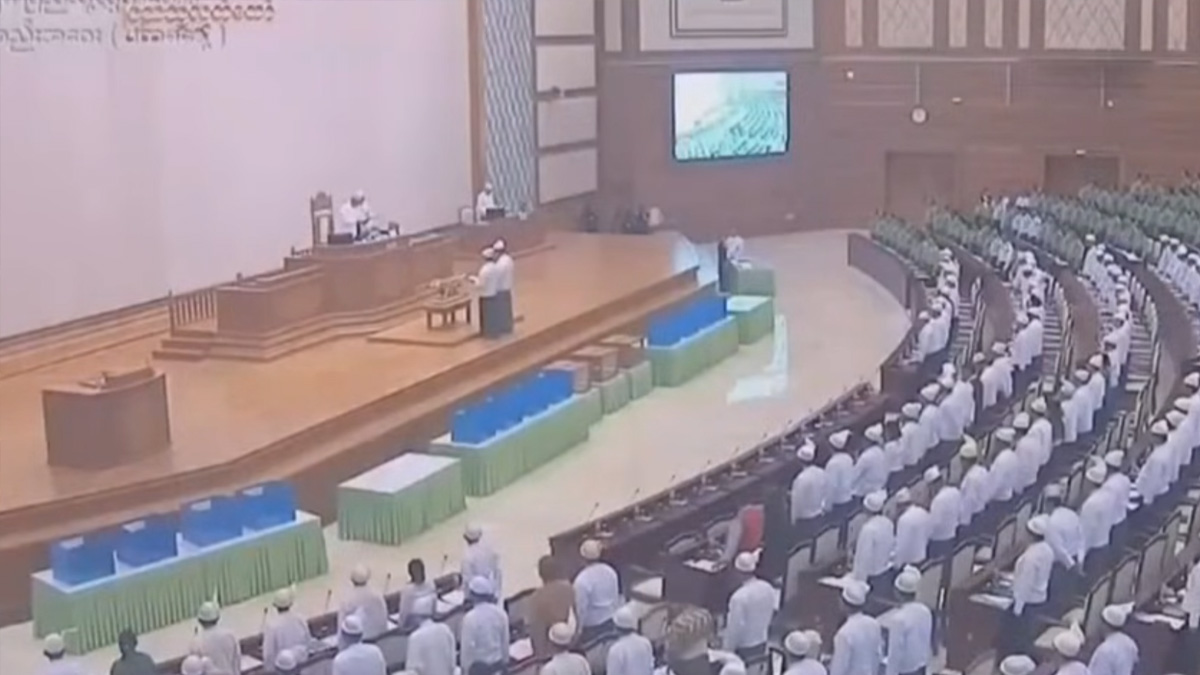
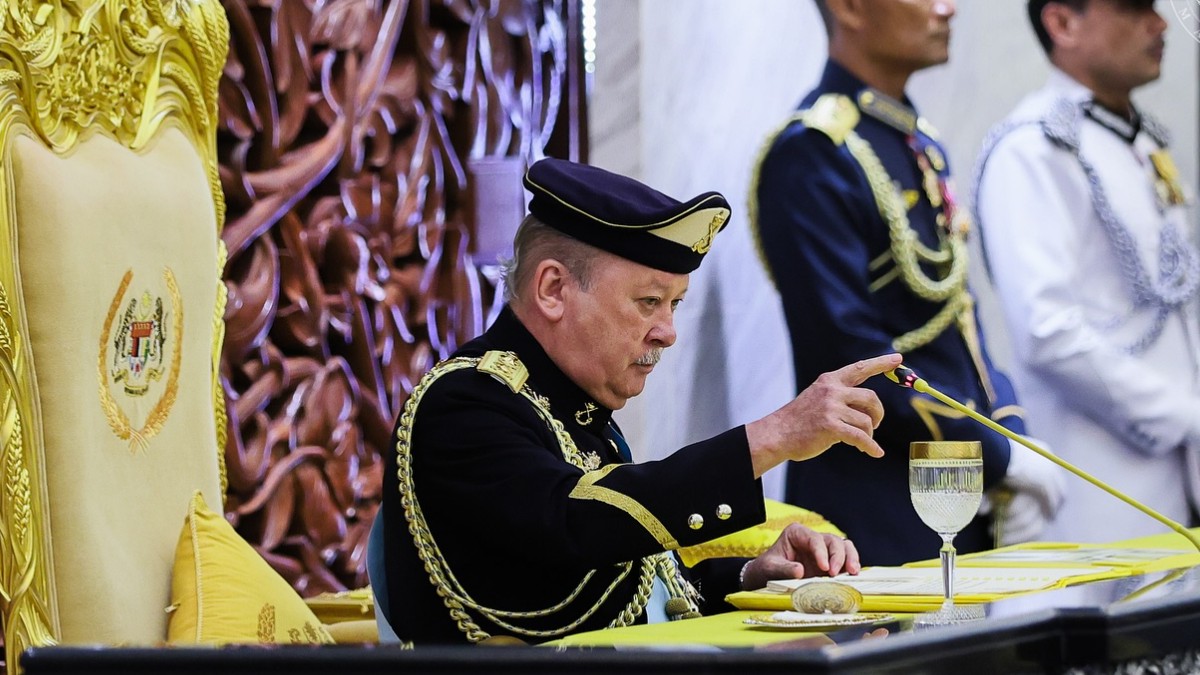
During the opening of the parliamentary session on 19 January 2026, Sultan Ibrahim emphasised that any new education system must align with the national education policy.
He said the policy is founded on Bahasa Malaysia as the national language and plays a central role in national unity and identity.
The King’s remarks were made in the context of broader discussions on education reform and the importance of preserving Bahasa Malaysia as a unifying language.
Fahmi urged the public to remain calm and refrain from issuing extreme or defamatory comments, particularly on social media platforms.
He called on Malaysians to continue respecting the royal institution while allowing due legal process to take its course.
The communications minister also appealed to the Malaysian Media Council, as an independent body, to play its designated role in the matter.
He said the council should ensure compliance with journalistic ethics, promote responsible and accurate reporting, and act as a self-regulatory platform for addressing media-related complaints.
According to Fahmi, professional and ethical self-regulation by the media is essential to maintaining public trust and preventing unnecessary tension.
It is understood that controversial preacher Firdaus Wong filed a police report against China Press over the social media posting.
Fahmi reiterated that police investigations arising from such reports are separate from the MCMC’s probe and should not be conflated.
He added that freedom of expression must be exercised responsibly, especially when reporting on sensitive issues involving the monarchy and national identity.