Philippines grounds Aleson passenger fleet after deadly ferry sinking kills 18
The Philippines has grounded the passenger fleet of Aleson Shipping Lines following the sinking of MV Trisha Kerstin 3, which left at least 18 dead and 10 missing. An investigation is underway amid renewed scrutiny of ferry safety standards.
- The MV Trisha Kerstin 3 sank on 26 January, killing at least 18 with 10 still missing.
- The government has grounded Aleson Shipping Lines' passenger fleet pending a full investigation.
- Survivors claim crew failed to alert passengers; previous incidents raise safety concerns.
The Philippine government has grounded the entire passenger fleet of Aleson Shipping Lines following the sinking of one of its ferries, the MV Trisha Kerstin 3, which killed at least 18 people.
Authorities said on 27 January, 2026, that the incident remains under investigation as rescue teams continue searching for 10 individuals still unaccounted for.
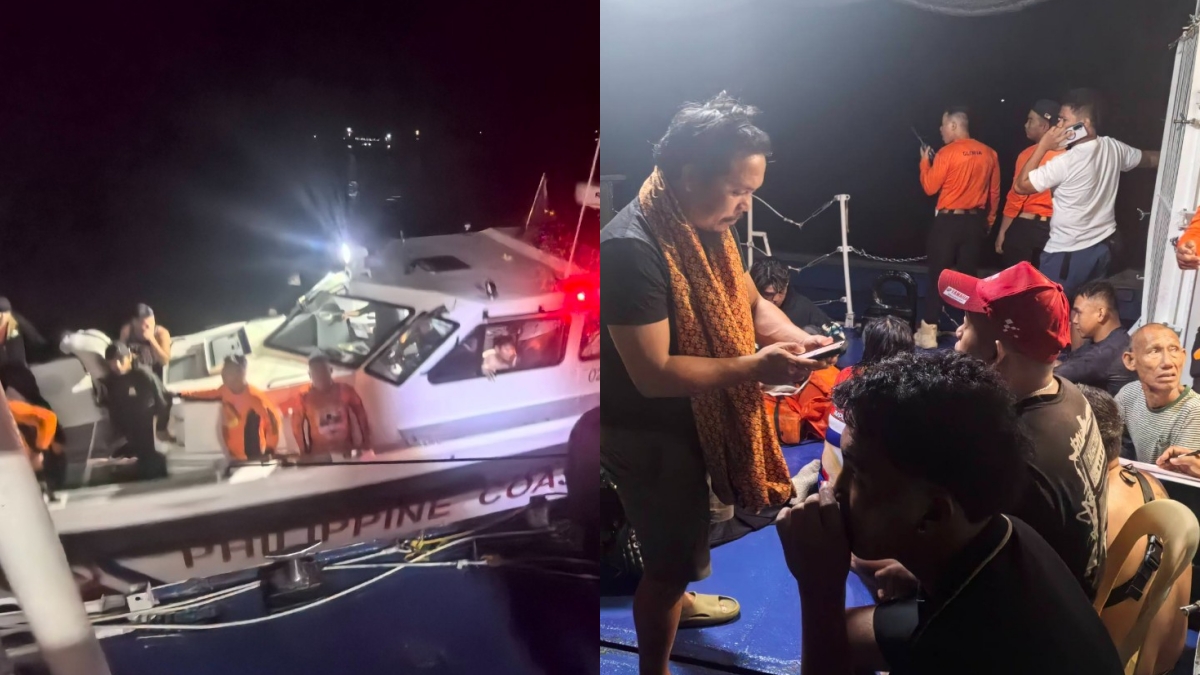
The triple-decker ferry was carrying 344 passengers and crew when it capsized off the coast of southwestern Mindanao in the early hours of 26 January. Most were rescued soon after the vessel sank.
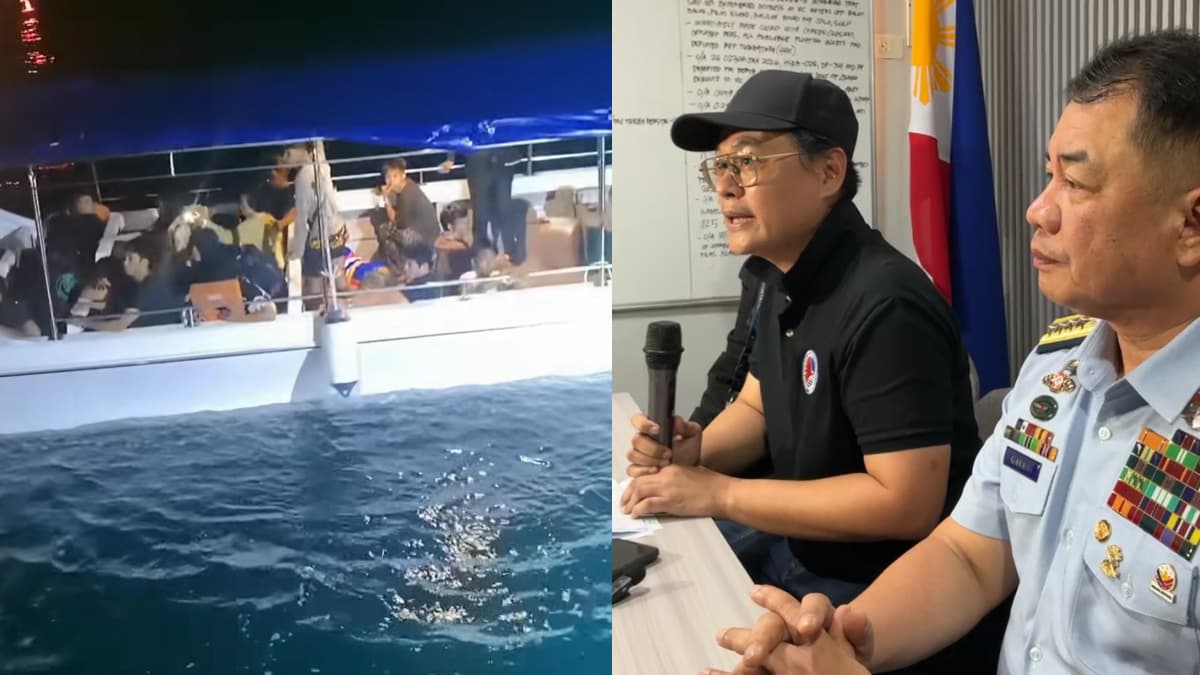
According to Philippine Coast Guard Commandant Ronnie Gavan, the missing include the ship’s captain, eight crew members, and a safety marshall.
Transportation Secretary Giovanni Lopez announced that Aleson Shipping Lines' passenger vessels would remain grounded while a joint investigation is conducted by the country’s maritime regulator and the Philippine Coast Guard.
“As of now, the entire passenger fleet of Aleson Shipping Company is grounded,” Lopez said during a press conference on Tuesday. He confirmed a 10-day safety audit would be undertaken.
President Ferdinand Marcos Jr has ordered a "full-blown investigation" to determine the cause of the sinking. Lopez stated that if negligence by the shipowner is found, they will face the “full force of the law.”
Lopez also revealed that Aleson Shipping Lines had previously been involved in 32 recorded maritime safety “incidents,” though no further details were provided.
Commandant Gavan stressed that immediate efforts are focused on locating and rescuing any remaining survivors. Sixteen technical divers and a remotely operated vehicle are being deployed from Manila to assist.
The Philippine Coast Guard estimates the sunken vessel is sitting at a depth of about 76 metres.
A spokesperson for Aleson Shipping Lines told Agence France-Presse (AFP) that an official company statement would be issued later in the day.
Survivor accounts point to apparent crew inaction and lack of communication during the sinking.
Aquino Sajili, a 53-year-old lawyer and one of the passengers, told AFP that no crew members warned passengers as the ship began to list. He described chaos onboard, as people rushed to one side of the vessel in a futile attempt to stabilise it.
“I heard a loud snap, and then the ship just started to go down quickly,” Sajili said. He added that he and other survivors had to cling to flotation devices and life jackets for hours before help arrived.
Sajili accused the crew of negligence, stating, “I think we can gather enough evidence to prove that the crew members of the ship were really negligent.” He indicated that legal action was being considered.
The MV Trisha Kerstin 3 sank along a route that saw a similar maritime tragedy in 2023, when the Lady Mary Joy 3 caught fire, killing 31 people. Both ferries were operated by Aleson Shipping Lines, a major regional transport company.
The Philippines has a long and troubling history of maritime disasters, often linked to outdated vessels, lax safety standards, and overcrowding.
In 2015, a ferry capsized near Leyte Island, leaving over 60 people dead. The worst such incident occurred in 1987, when the Dona Paz ferry collided with an oil tanker, killing more than 4,000 people in what remains the deadliest peacetime maritime disaster globally.