Global condemnation mounts over Frenchie Mae Cumpio’s conviction on terrorism financing charges
Journalist Frenchie Mae Cumpio has been sentenced to up to 18 years in prison in a ruling condemned globally as politically motivated. Press freedom advocates warn the decision sets a dangerous precedent for independent journalism in the Philippines.
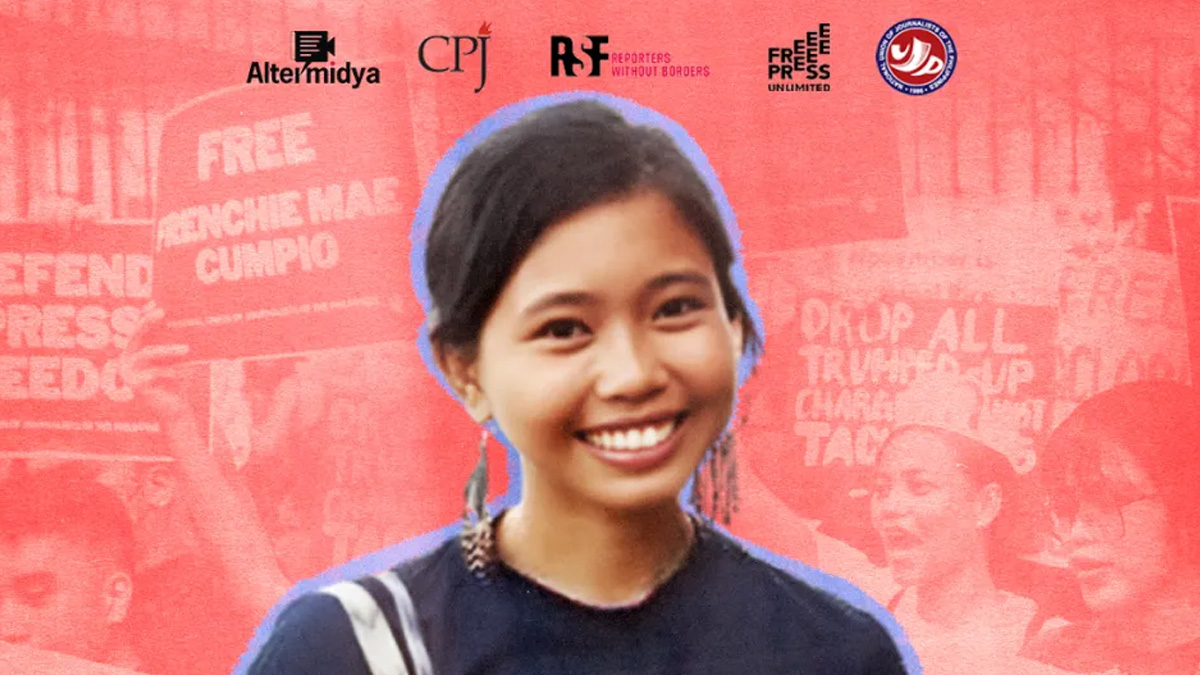
- Investigative journalist Frenchie Mae Cumpio sentenced to 12–18 years for terrorism financing, with illegal firearms charges dropped.
- CPJ, RSF, and multiple journalist unions denounce the conviction as baseless and politically motivated.
- Widespread concern raised over red-tagging, due process failures, and the deteriorating state of press freedom in the Philippines.
On 22 January 2026, Frenchie Mae Cumpio, an investigative journalist detained since 2020, was convicted by a regional trial court in Tacloban of financing terrorism. The court handed down a sentence ranging between 12 years and 5 months to 18 years and 8 months.
She was acquitted of a separate charge of illegal possession of firearms and explosives. However, international press freedom organisations have denounced the terrorism conviction as groundless and politically motivated.
Cumpio, who turns 27 on 23 January, is now the first journalist in the Philippines convicted under such charges, and has become the longest-imprisoned journalist in the country in recent years.
CPJ: Verdict shows press freedom pledges are “empty talk”
The Committee to Protect Journalists (CPJ) condemned the ruling, describing it as part of a broader pattern of repression. Beh Lih Yi, CPJ’s Asia-Pacific Director, stated: “This absurd verdict shows that the various pledges made by President Ferdinand Marcos Jr. to uphold press freedom are nothing but empty talk... The Philippines must free Frenchie Mae Cumpio without conditions and stop criminalising journalists.”
CPJ noted that although the court dismissed charges of illegal firearms possession, the ruling on terrorism financing reveals how far authorities are willing to go to silence dissenting voices.
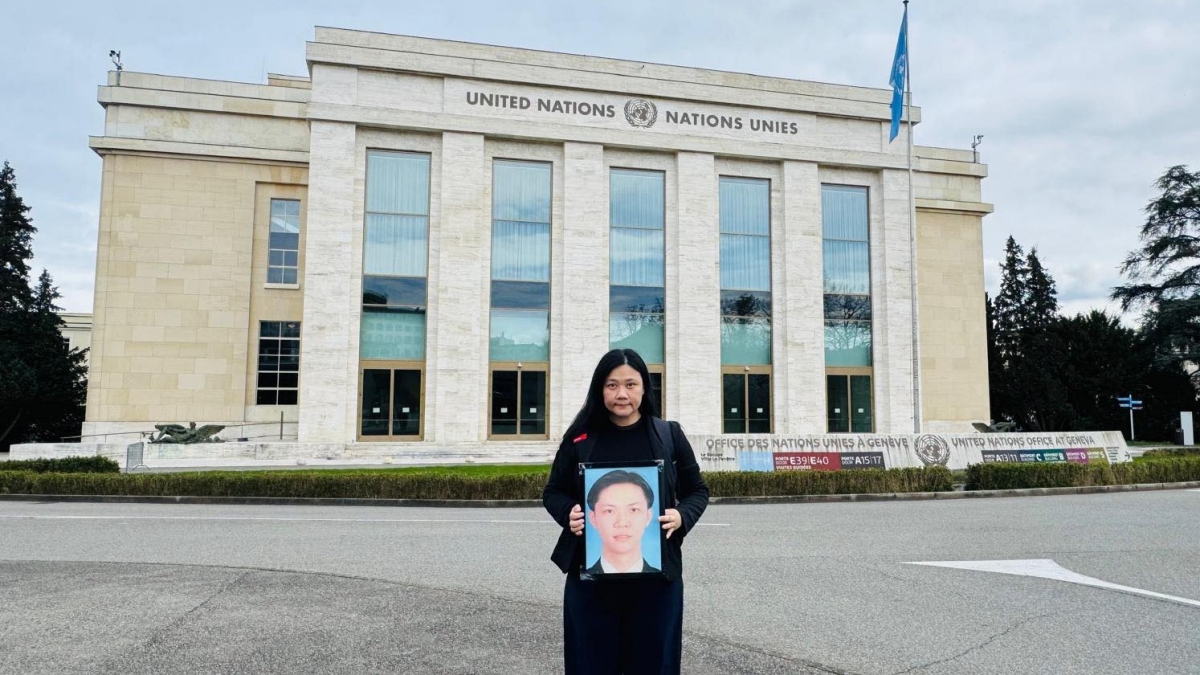
In 2023, CPJ sent a delegation to the Philippines to advocate for Cumpio’s release and later handed her handwritten letter to the United Nations. Irene Khan, UN Special Rapporteur on freedom of expression, read it publicly, calling the case a “travesty of justice.”
CPJ was finally granted access to visit Cumpio in prison on 21 January 2026, a day before her sentencing.
RSF and MFC observers present in court
Representatives from Reporters Without Borders (RSF), the National Union of Journalists of the Philippines (NUJP), AlterMidya, and Free Press Unlimited (FPU) were present during the hearing. Diplomats from the Media Freedom Coalition—including embassies from Switzerland, Czech Republic, and New Zealand—also attended, with others joining virtually.
RSF condemned the ruling as a “devastating failure of the Philippine justice system.” Advocacy Manager Aleksandra Bielakowska called on President Marcos to intervene, stating: “This sentence only highlights the systemic issues in the country and the urgent need for comprehensive reforms.”
RSF’s investigation raised serious concerns that the charges were fabricated and that weapons were planted to justify Cumpio’s arrest in 2020.
Union of Journalists of the Philippines and AlterMidya respond
The Union of Journalists of the Philippines - UP (UJP-UP) publicly denounced the convictions of both Frenchie Mae Cumpio and Marielle “Maye” Domequil, who were sentenced on the same charges. In a statement issued on 22 January, UJP-UP described the charges as “trumped-up” and condemned the years of “prolonged and unjust detention” they had already faced.
“While we welcome their acquittal on the fabricated illegal possession of firearms and explosives charges, we maintain that Cumpio, Domequil and the rest of the Tacloban 5 should be cleared of all charges,” the group declared.
Separately, the media network AlterMidya also issued a strong condemnation via social media, stating: “We strongly condemn the guilty verdict... it is deplorable that she was convicted of terrorism financing charges… The decision is a grave injustice and is a serious peril to the already dire state of press freedom and free expression in the Philippines.”
Longstanding concerns over red-tagging and due process
Cumpio was arrested in February 2020 during a raid that also targeted human rights defenders. She had been known for her reporting on military and police abuses and local social issues in Eastern Visayas as executive director of Eastern Vista and a radio anchor at Aksyon Radyo-Tacloban DYVL.
Her case has long been viewed as a textbook example of “red-tagging”—a practice of branding journalists and activists as communists or terrorists to justify legal persecution.
Earlier in November 2025, a separate court dismissed a murder charge against her stemming from an alleged incident in 2019. Another court ruling also found no evidence supporting civil forfeiture allegations that attempted to label her a terrorist.
Despite the absence of substantive evidence in these cases, Cumpio remained behind bars for nearly six years before being convicted on the terrorism financing charge.
Broader press freedom crisis
Cumpio’s case reflects growing concerns about the climate for media workers in the Philippines. The country was ranked 116th out of 180 in the 2025 RSF World Press Freedom Index, with the state of media described as “difficult.”
A joint statement from advocates opposing the conviction notes: “Words mean nothing when journalists on the ground are still at risk of being red-tagged, harassed, imprisoned, or worse, killed… The Marcos government cannot tout press freedom... when protections for press freedom are nonexistent in practice.”
With Cumpio now facing a prolonged prison term, journalist unions and press freedom watchdogs continue to call for her immediate and unconditional release, along with the rest of the Tacloban 5.