Taipei to launch ‘smoke-free city’ policy with stricter public smoking controls
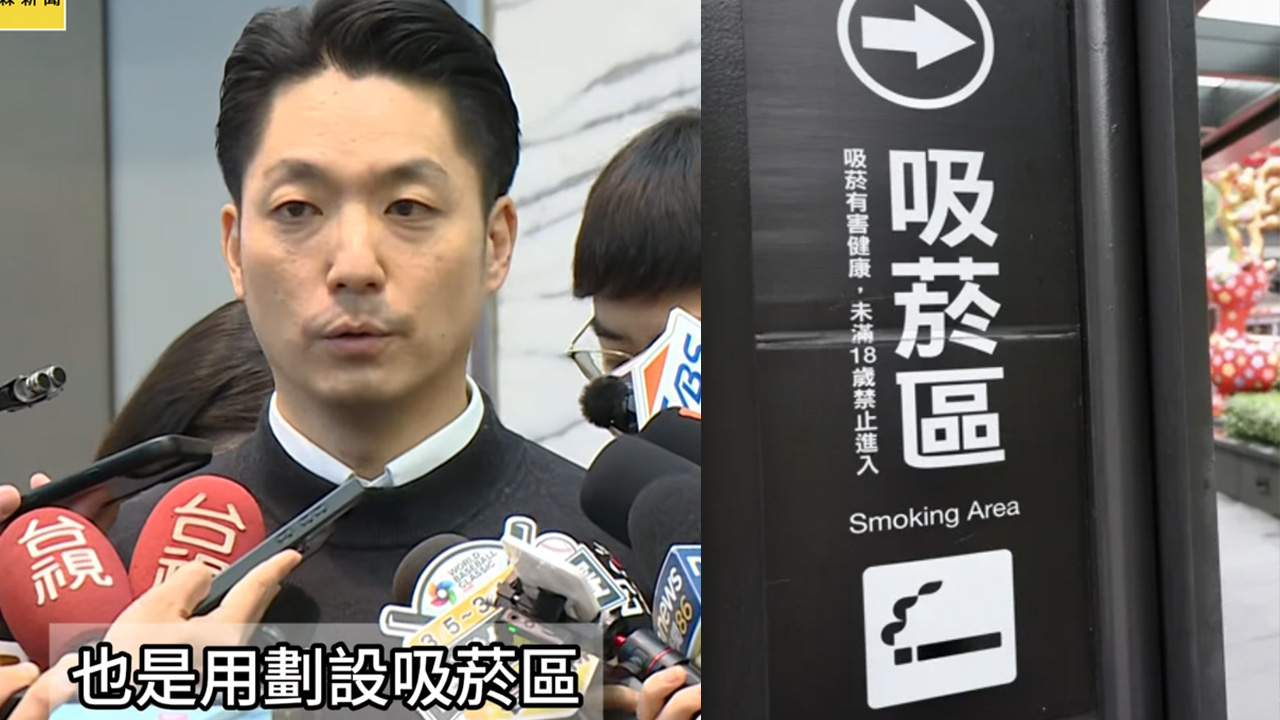
Taipei may roll out a “smoke-free city” policy by the end of 2026, with designated smoking areas likely to replace the current open-zone approach, Mayor Chiang Wan-an announced.
- Taipei aims to implement a “smoke-free city” plan by the end of 2026, limiting public smoking.
- Mayor Chiang Wan-an cited Tokyo’s smoking area model as an example for Taipei’s redesign.
- Measures may include AI monitoring, expanded bans, and stricter controls on tobacco product sales.
The Taipei City Government is preparing to roll out a “smoke-free city” policy by the end of 2026 in a bid to curb public smoking, Mayor Chiang Wan-an said on 12 January.
The planned initiative is expected to represent a shift in public health policy, transitioning from designated non-smoking zones to a general prohibition model with limited exceptions.
Speaking at a press briefing, Chiang said, “I hope we can change people’s thinking — that is, to prohibit [public smoking] in principle, but allow for some exceptions.”
The city would likely model its approach on the system used in Tokyo, which has introduced designated smoking booths and areas to reduce secondhand smoke and cigarette litter. Chiang described Tokyo’s approach as “very successful” and a potential reference point for Taipei’s strategy.
Currently, Taipei’s regulations permit smoking in most public areas, unless specifically designated as non-smoking. According to Chiang, this approach has led to widespread issues, including pollution from discarded cigarette butts and discomfort for the public in shared spaces.
The proposed shift in strategy is intended to separate smokers from non-smokers more effectively, improving the quality of public spaces across the city.
Since taking office, Chiang has introduced a series of smoke-free policies, including banning smoking in public housing, restricting it during Lunar New Year market events, and enforcing bans around large event venues.
Further measures have already been enacted under the Taipei City Emerging Tobacco Products Management Self-Governance Ordinance (台北市新興菸品管理自治條例). These include a ban on the sale of heated tobacco products within 50 metres of schools at senior-high level and below, as well as restrictions on their display and advertisement.
In addition, the Taipei City Government plans to adopt artificial intelligence technology to support enforcement. AI systems will be deployed to identify individuals violating smoking bans, helping to discourage non-compliance in restricted areas.
The “smoke-free city” concept is part of a broader trend in urban health management, with cities around the world seeking ways to reduce the public health risks associated with smoking and passive smoke exposure.
While full details of Taipei’s policy have yet to be announced, the city appears committed to taking firmer action on tobacco control, with a version of the policy expected to be implemented before the end of the year.
Chiang emphasised that while international models will inform Taipei’s plan, local conditions and public needs will also be considered during policy development.