Taiwan adds Huawei and SMIC to export control list in national security move
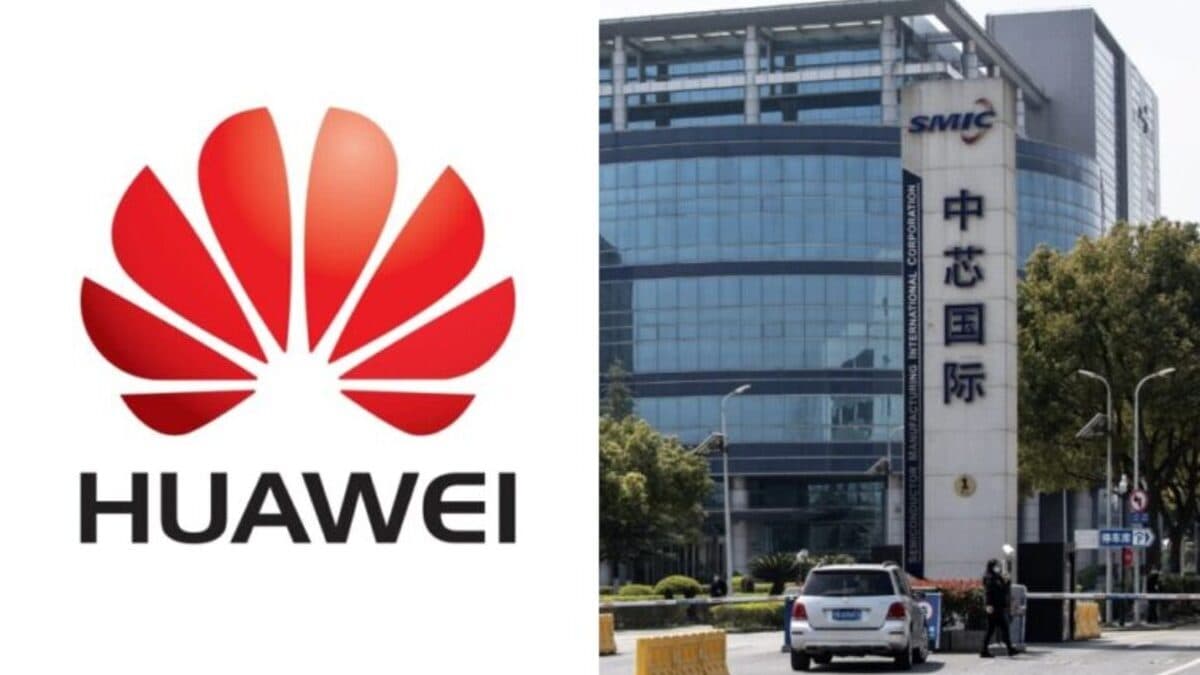
Taiwan has added Huawei Technologies and Semiconductor Manufacturing International Corp (SMIC) to its export control entity list. The 15 June update covers 601 new entities, raising the total to 10,844, as part of efforts to prevent proliferation activities and strengthen national security.
- Taiwan added 601 entities, including Huawei and SMIC, to its export control list on 15 June, bringing the total to 10,844.
- Domestic firms must obtain permits before trading with listed entities, with customs enforcing the restrictions.
- The inclusion of Huawei and SMIC reflects growing scrutiny of Chinese technology firms and comes amid heightened cross-strait tensions.
Taiwan’s Ministry of Economic Affairs has added Huawei Technologies Co and Semiconductor Manufacturing International Corp (SMIC, 中芯国际) to its export control entity list, according to a press release from the International Trade Administration on 15 June 2025.
The update, carried out under Article 13 of Taiwan’s Trade Act, followed a cross-ministerial review. A total of 601 entities were added, bringing the overall list to 10,844 individuals and organisations.
The Ministry stated that the decision took into account sanction and control lists issued by the United Nations Security Council and allied countries. It stressed that the additions were driven by national security concerns and the imperative to prevent the proliferation of weapons.
The newly listed entities span multiple countries, including Russia, Pakistan, Iran, Myanmar, and China. Among the additions, Huawei and SMIC stand out as major Chinese technology firms critical to China’s semiconductor and telecommunications industries.
Officials explained that the move reflects Taiwan’s heightened vigilance over technology transfers that could be diverted for military or proliferation-related uses in sensitive regions.
Regulatory impact
Under Taiwan’s export control system, local companies must obtain a Strategic High-Tech Commodities Export Permit from the International Trade Administration before transacting with listed entities.
Customs authorities will enforce the restrictions at the border. Any attempt to export controlled items to a listed entity without prior authorisation will result in the shipment being blocked.
The Ministry urged Taiwanese firms to exercise strict compliance, perform thorough due diligence, and carefully assess the risks of potential transactions. It warned that companies could otherwise face penalties for inadvertently participating in proliferation-related activities.
To assist exporters, the International Trade Administration plans to continue holding outreach sessions and informational briefings to explain the regulations and ensure companies understand their obligations.
Significance of Huawei and SMIC inclusion
By placing Huawei and SMIC on the list, Taiwan has directly targeted two companies central to China’s technological ambitions.
Huawei is a global telecommunications leader, long scrutinised over allegations of links to the Chinese state and security apparatus. SMIC, China’s largest contract chipmaker, plays a pivotal role in Beijing’s push to advance its domestic semiconductor manufacturing capacity.
Both companies are seen as essential to China’s efforts in developing high-performance chips for artificial intelligence and advanced computing applications. Their inclusion aligns Taiwan’s export control strategy with measures already adopted by other countries seeking to limit the transfer of sensitive technologies to China.
Broader geopolitical context
The action comes amid increasing cross-strait tensions. Earlier in 2025, Taiwan’s President William Lai described China as a “foreign hostile force” for the first time, while introducing counter-infiltration measures aimed at bolstering Taiwan’s security.
Analysts view the Ministry’s decision as part of a wider framework of defensive measures designed to ensure Taiwan does not become an indirect channel for proliferation activities or for bolstering China’s military and technological development.
The Ministry emphasised that the latest review reinforces Taiwan’s international commitments to non-proliferation standards, aligning its policies with those of key global partners.