Taiwan proposes tougher national security laws targeting online advocacy for annexation
Taiwan’s Cabinet has approved a set of draft legal amendments to strengthen national security protections against foreign propaganda, infiltration, and internal disloyalty, citing rising threats from external hostile forces and the need to reinforce digital and institutional defences.
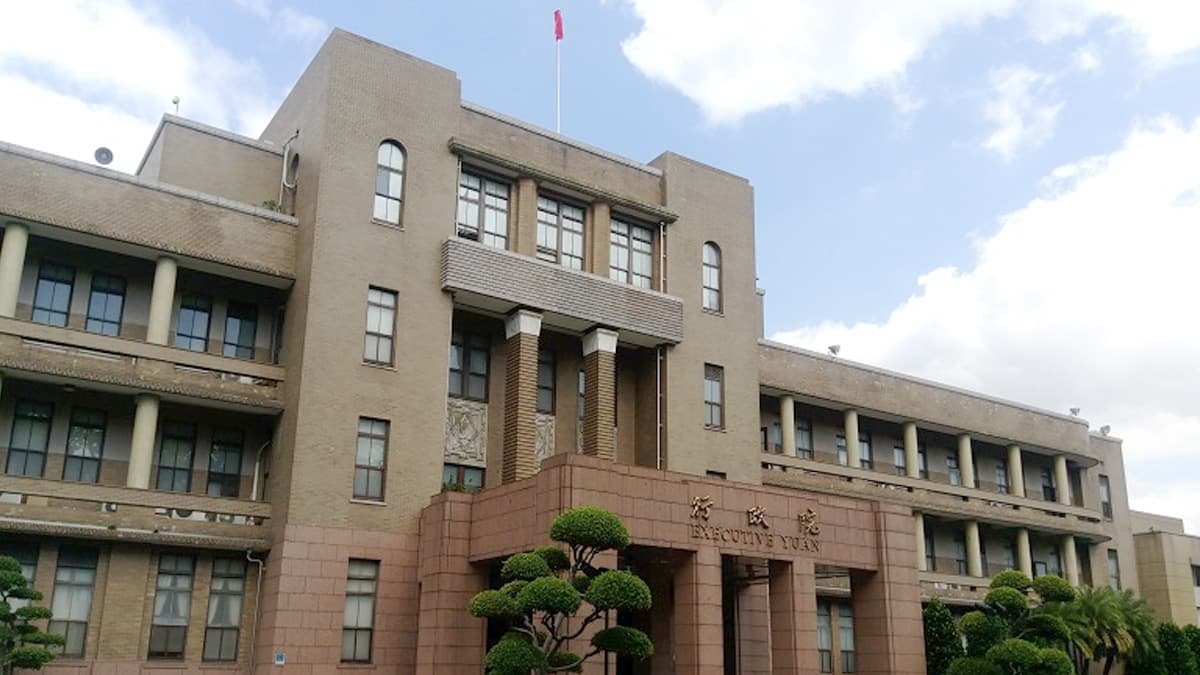
- Taiwan’s Executive Yuan has approved draft amendments to four key laws to address foreign interference and online incitement.
- New provisions target war advocacy, online disinformation, and disloyalty among active and retired personnel.
- Officials cite growing hybrid threats from hostile forces, especially from China, as motivation for legal reform.
Taiwan’s Executive Yuan has formally passed a suite of draft amendments aimed at reinforcing the legal framework underpinning national security, days after proposing fines and penalties for public advocacy of Taiwan’s annexation or military takeover by a foreign power.
The Cabinet's decision, announced on 18 December, builds on proposals previously outlined by authorities targeting digital content, foreign-directed propaganda, and infiltration activities by organisations seen as hostile to Taiwan’s sovereignty.
Expanded penalties for incitement and disloyalty
The proposed revisions to the National Security Act, along with amendments to the Criminal Code of the Armed Forces, Military Service Act, and the Veterans Assistance Act, form part of a broader strategy to close legal loopholes exploited by foreign agents and their local intermediaries.
Among the most significant changes is a new administrative penalty for individuals who advocate war or disseminate propaganda that threatens national stability, particularly online. Internet service providers would be obligated to cooperate with content removal orders and data preservation requests, under expanded enforcement rules.
The reforms also introduce clearer penalties for intermediaries, including those who knowingly assist hostile organisations in recruiting, spreading disinformation, or compromising national interests.
Legal accountability for active and retired personnel
Reinforcing loyalty within Taiwan’s armed forces is another central aim of the proposed amendments.
Active-duty soldiers who defect or signal allegiance to enemy states through speech or symbolic acts would face longer prison terms—up to 10 years in the most serious cases. Military personnel and civil servants who knowingly violate loyalty obligations under the National Security Act could face harsher sentencing and permanent loss of pension rights.
In cases involving retired military personnel, benefits may be suspended proportionally if they are found to have engaged in prohibited conduct. Conditions for restoration of benefits are also outlined, allowing for administrative discretion based on the severity of the offence.
A broader strategy driven by national security directives
According to Premier Cho Jung-tai, the amendments are part of a multi-agency response to threats identified during a national security strategy meeting chaired by President William Lai in March 2025. At the meeting, Lai outlined 17 strategic initiatives aimed at countering five categories of national security threats, including Chinese infiltration and information warfare.
The Executive Yuan has since reviewed 20 relevant laws and launched over 120 legal and administrative initiatives. The current amendments, Cho said, demonstrate the government’s commitment to proactive legal deterrence and readiness to respond to new tactics used by hostile foreign forces.
Online disinformation and war propaganda under focus
Minister Without Portfolio Lin Ming-hsin previously explained that the new laws draw on international legal norms, such as the International Covenant on Civil and Political Rights, which prohibits war propaganda.
The legal revisions do not target private conversations, but rather repetitive or public statements that could incite conflict, erode public trust, or serve hostile interests. The Ministry of Digital Affairs will have expanded powers to issue takedown orders and restrict access to non-compliant accounts.
Authorities emphasised that the approach aims to balance national security with freedom of speech, while establishing stronger oversight of digital platforms being used as vectors for foreign interference.
Rising concerns over hybrid threats from China
While officials avoided directly naming China as the sole threat, the context is clear. The Cabinet cited growing concern over foreign political warfare, including united front tactics, disinformation campaigns, and infiltration via marriage, investment, or social media platforms.
Earlier in 2025, three Chinese spouses of Taiwanese nationals were ordered to leave Taiwan after uploading videos advocating or implying a military takeover by the Chinese People's Liberation Army. That case became a flashpoint in the debate over freedom of expression and national security.
Premier Cho called for swift bipartisan cooperation in the legislature to pass the reforms, stressing that no ambiguity should remain about Taiwan’s resolve to defend its sovereignty through legal means.