Taiwan updates maritime and telecom laws to boost undersea cable protection
Taiwan's Legislative Yuan has passed amendments to maritime, port, meteorological, and telecom laws to strengthen protection of undersea cables, amid rising national security concerns over potential damage or sabotage.
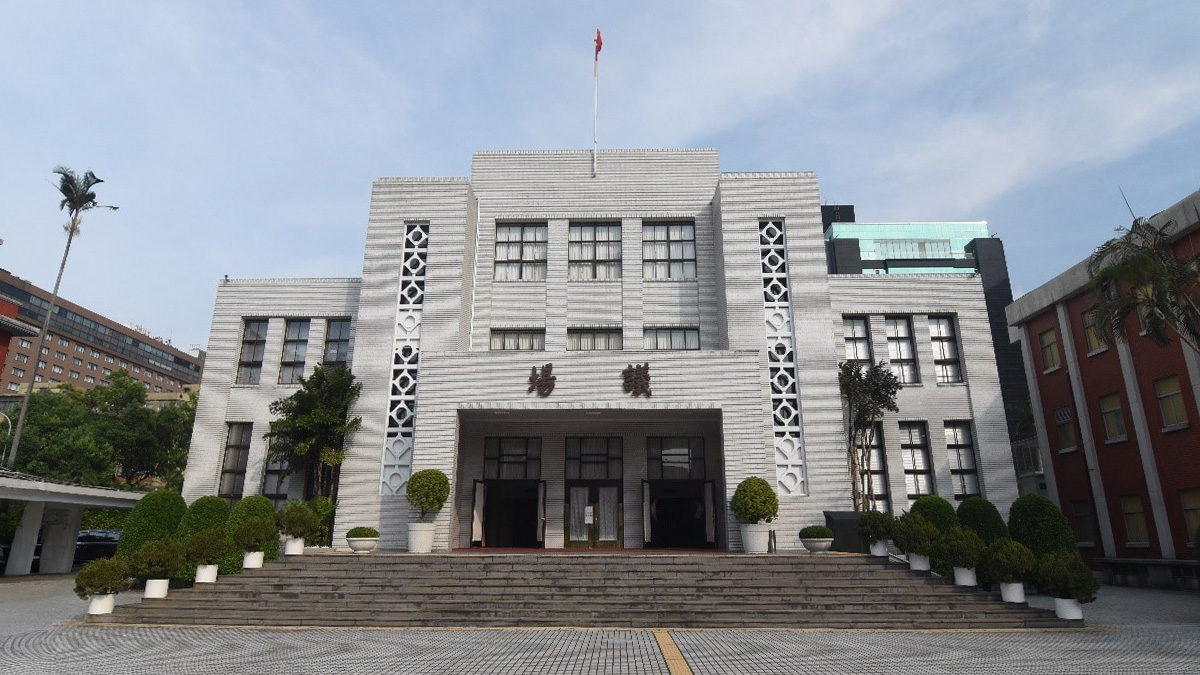
- Taiwan's Legislative Yuan has passed amendments to four key acts to enhance the protection of undersea cables.
- New rules mandate proper identification and AIS operation for vessels in territorial and prohibited waters.
- Offences may result in fines, imprisonment, or confiscation of vessels and equipment used in violations.
On 16 December 2025, Taiwan’s Legislative Yuan passed amendments to four key laws—governing shipping, meteorology, telecommunications, and commercial ports—aimed at strengthening legal protections for the nation's undersea cables.
The move follows an Executive Yuan initiative to update infrastructure laws amid growing national security concerns over the vulnerability of submarine cable networks.
According to the amended legislation, unauthorised damage or disruption to undersea cable systems, as well as failure to properly identify vessels operating near them, will now be met with stricter penalties and clearer enforcement provisions.
Strengthening vessel identification and monitoring
Amendments to the Shipping Act (船舶法) require both Taiwanese and qualifying foreign vessels operating in Taiwan’s territorial and prohibited waters to maintain active Automatic Identification System (AIS) signals.
Vessels must accurately transmit key identification data, including the vessel’s name, International Maritime Organization (IMO) ship identification number, Maritime Mobile Service Identity (MMSI) code, and call sign.
For foreign vessels operating in these waters, the updated law stipulates that IMO ship identification numbers and vessel names must be visibly and correctly marked on the hull. These markings must not be damaged, altered, or concealed.
Foreign vessels over 150 gross tonnage are also mandated to maintain detailed logbooks documenting navigation activity and any incidents at sea.
Violations of the Shipping Act now carry financial penalties ranging from NT$30,000 to NT$10 million (approximately US$953 to US$317,713) for vessel owners or captains who breach the regulations.
Legal penalties for damaging meteorological infrastructure
Amendments to the Meteorological Act (氣象法) introduce penalties for endangering or negligently damaging meteorological equipment.
Under the revised provisions, violators may face imprisonment for up to six months or fines of up to NT$2 million.
Furthermore, authorities are now permitted to confiscate any tools, machinery, or vessels used in such offences—regardless of ownership—strengthening enforcement mechanisms.
Telecommunications protection extended to undersea cables
The amended Telecommunications Management Act (電信管理法) includes new enforcement tools for preventing damage or illegal access to undersea cables and associated facilities, such as cable landing points and satellite communication centres.
Under the new rules, authorities may seize equipment, tools, and vessels involved in acts that steal, damage, or otherwise compromise this critical infrastructure.
Port safety and compliance under Commercial Port Act
Changes to the Commercial Port Act (商港法) allow port authorities to order vessels obstructing berth allocation or port safety to vacate within three months.
Failure to comply without a legitimate reason may result in the confiscation of the vessel.
Additionally, foreign merchant vessels detained for severe infractions may also be confiscated if discrepancies in documentation—such as vessel registration or certification—are not rectified within three months.
Government underscores national security imperative
The Executive Yuan had previously emphasised that undersea cables are essential for Taiwan’s communications and national security, highlighting growing geopolitical tensions and the risks of cable sabotage or surveillance.
By modernising outdated infrastructure laws and setting clearer enforcement standards, the government aims to deter unauthorised activity near critical systems.
Deputy Legislative Speaker Johnny Chiang presided over the passage of the bills at the Legislative Yuan on 16 December, marking a significant legislative step in bolstering Taiwan’s infrastructure defence.