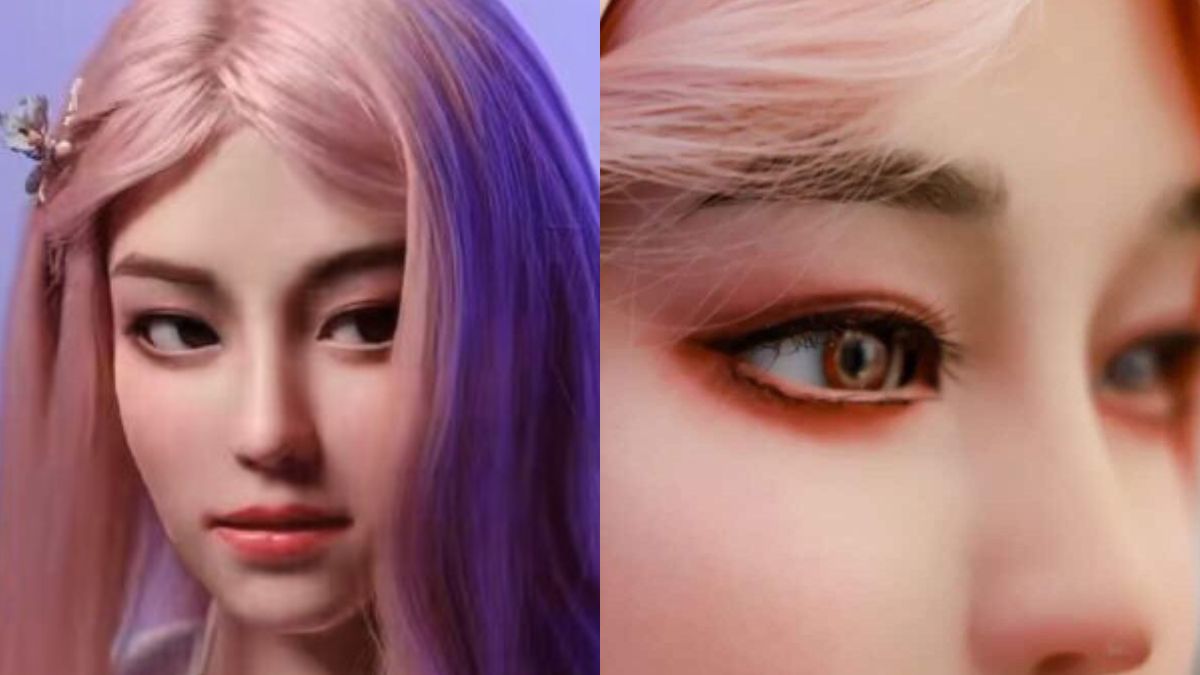
Seedance 2.0 hailed as China’s second DeepSeek moment in global AI race
ByteDance’s Seedance 2.0 has gone viral for its cinematic AI video generation, drawing praise from Elon Musk and sparking debate over China’s AI ambitions, while also prompting privacy suspensions and copyright criticism from the Motion Picture Association.
- ByteDance has unveiled Seedance 2.0, a multimodal AI model capable of generating video and audio simultaneously.
- The tool has drawn praise from tech figures including Elon Musk but also triggered privacy and copyright concerns.
- Regulators and industry bodies, including the Motion Picture Association, have criticised alleged safeguards gaps.
ByteDance’s latest artificial intelligence model, Seedance 2.0, has sparked heated discussion over the global AI race after drawing praise for its cinematic video outputs and criticism over privacy and copyright concerns.
The model, officially unveiled on 12 February 2026 by TikTok’s parent company, has quickly gone viral in China and beyond, prompting comparisons with the rise of DeepSeek’s R1 and other leading AI systems.
According to a statement by ByteDance, Seedance 2.0 was designed for professional film, e-commerce, and advertising productions.
The company said the system can process text, images, audio, and video simultaneously, lowering the cost and complexity of content creation.
Unlike text-focused systems such as OpenAI’s ChatGPT and DeepSeek R1, Seedance 2.0 represents a push into multimodal video generation.
A defining feature is its “co-generation” capability, allowing dialogue, music, sound effects, and visuals to emerge together rather than being layered sequentially. Observers say this produces more cohesive and cinematic scenes.
Another advancement is improved character consistency. The model reportedly accepts multiple visual and audio references to stabilise how a character looks, moves, and sounds across scenes, addressing a common weakness in earlier AI video tools.
Short clips can be generated in under a minute, fuelling speculation about real-time, hyper-personalised entertainment. Industry analysts suggest such speed could reshape advertising and digital storytelling workflows.
The release has triggered fresh discussion about competition between Chinese and Western AI firms.
Entrepreneur Arnaud Bertrand, co-founder of HouseTrip, argued in a widely shared post on X that ByteDance may already be the world’s largest AI company by usage scale.
He contended that consumer-facing AI products in China command broader domestic adoption than is often acknowledged in Western narratives, where attention has focused heavily on DeepSeek as a symbol of China’s ambitions.
On Chinese platform Weibo, Seedance 2.0 outputs have drawn millions of views.
One widely circulated clip depicted celebrities in a palace setting, while other users tested longer action sequences, including Transformer-style battle scenes praised for fluid mechanics and lifelike motion.
Commenting on the rapid pace of development, billionaire entrepreneur Elon Musk wrote on X, “It’s happening fast,” responding to a post showcasing the tool’s capabilities.
However, the model’s viral spread has also raised concerns.
In one test, Pan Tianhong, founder of tech outlet MediaStorm, reported that uploading a facial photograph led the system to generate audio closely resembling his real voice, despite no voice samples being provided.
Following public backlash, operators of the Jimeng platform, the Chinese-market app name for Seedance 2.0, announced urgent changes.
The platform said it would no longer allow real-human-like photos or videos to be used as reference subjects.
The development has intensified fears about AI-driven identity forgery, including deepfake scams, misinformation, and reputational harm.
Copyright issues have also surfaced. The Motion Picture Association condemned Seedance 2.0, alleging widespread unauthorised use of copyrighted material within a day of its availability.
An MPA spokesperson said the service had engaged in “unauthorised use of U.S. copyrighted works on a massive scale” and urged ByteDance to cease infringing activity immediately.
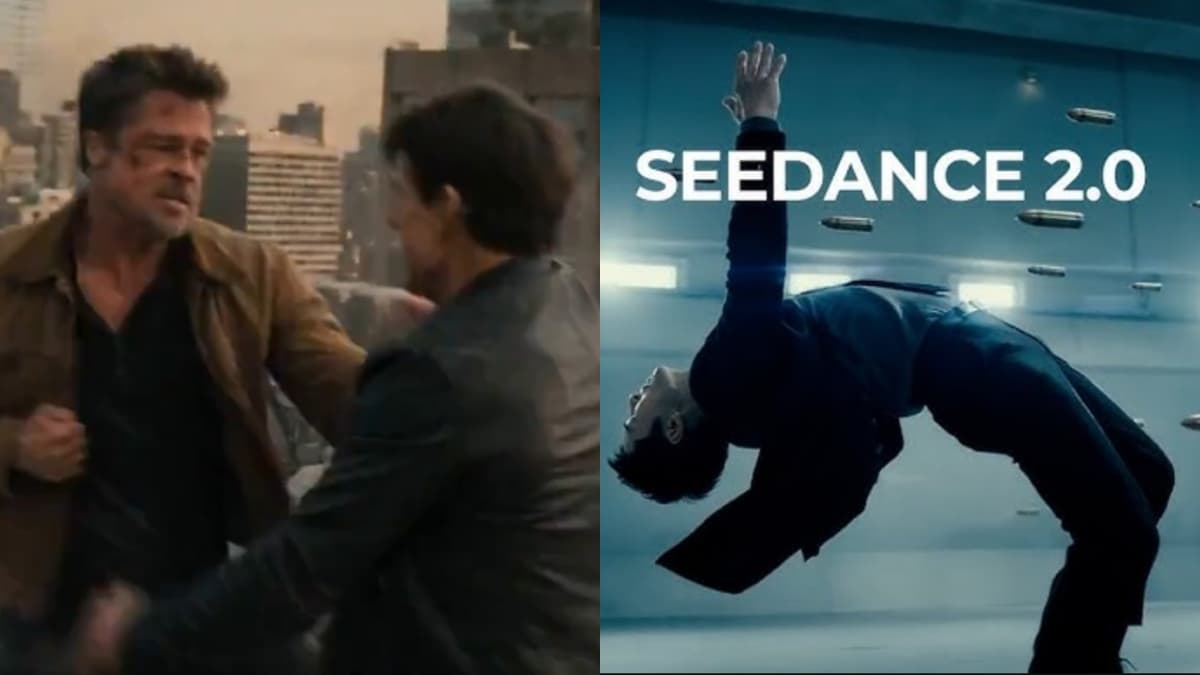
ByteDance described the model as a “substantial leap in generation quality” compared with its predecessor. Videos generated by the service, including a rooftop fight scene featuring Hollywood actors, have circulated widely on social media.