
Trump signs executive order to reclassify cannabis for medical research and access
US President Donald Trump has signed an executive order reclassifying cannabis from a Schedule I to Schedule III narcotic, expanding access for medical research and reducing tax barriers for legal dispensaries, though recreational use remains federally prohibited.
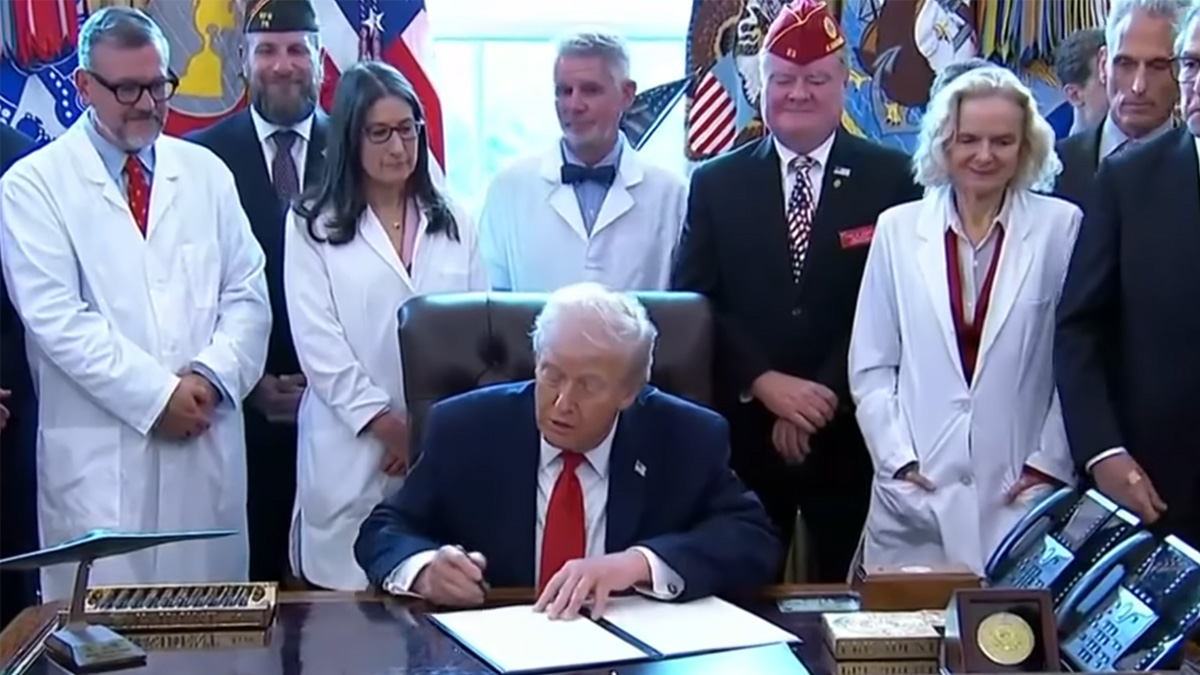
- Executive order reclassifies cannabis from Schedule I to Schedule III, enabling expanded research.
- FDA and HHS studies confirm accepted medical use for conditions like pain and nausea.
- The order also sets direction for regulating CBD products and improving labelling standards.
UNITED STATES: US President Donald Trump has signed an executive order directing the reclassification of cannabis from a Schedule I to a Schedule III controlled substance, a landmark shift in US federal drug policy aimed at expanding medical research and aligning regulatory frameworks with state practices.
Signed on 18 December 2025, the order does not legalise cannabis federally, but marks a significant step by recognising its medical use and enabling broader clinical research. Trump emphasised that the move is intended to help patients and researchers while maintaining a strict stance on recreational use.
“We have people begging for me to do this. People that are in great pain,” Trump said during the Oval Office ceremony. “This reclassification order will make it far easier to conduct marijuana-related medical research, allowing us to study benefits, potential dangers and future treatments.”
Currently, cannabis is listed as a Schedule I substance — defined under federal law as having no accepted medical use and a high potential for abuse. Schedule I includes drugs like heroin and LSD. Schedule III substances, by contrast, are considered to have accepted medical uses and lower abuse potential, with examples including ketamine and anabolic steroids.
According to the executive order, the Department of Health and Human Services (HHS) and the Food and Drug Administration (FDA) concluded in 2023 that cannabis meets the criteria for reclassification. Their findings supported medical use for conditions such as anorexia related to illness, chemotherapy-induced nausea, and chronic pain — which affects nearly one in four adults in the US.
Supporting this, the HHS Office of the Assistant Secretary of Health found that more than 30,000 licensed healthcare professionals across 43 jurisdictions recommend cannabis to over six million patients for at least 15 different conditions.
The Department of Justice followed up in May 2024 with a proposed rule to reschedule cannabis. That proposal received close to 43,000 public comments and is currently awaiting an administrative hearing.
The order also outlines how the current classification has hampered critical research, leaving many patients — especially seniors — without clear medical guidance. A cited patient survey found that only 56 percent of older users had discussed cannabis use with their healthcare provider, raising concerns about potential drug interactions and adverse events.
Anecdotal and survey evidence suggests cannabis use may help reduce opioid dependency, with 20 percent of surveyed veterans reporting reduced opioid use due to medical marijuana. One in 10 US seniors used cannabis in the past year, and some evidence indicates improved quality of life outcomes.
In financial markets, cannabis stocks responded favourably to the announcement. As of 1910 GMT on Thursday, Aurora Cannabis was up 8.62 percent, Canopy Growth rose 10.94 percent, and Tilray gained 6.40 percent. Canopy Growth’s stock price has risen nearly 90 percent over the past week amid speculation about the order.
The president clarified that while he personally opposes drug use, including alcohol and tobacco, the move reflects “common sense” and is focused on compassionate care.
“I've always told my children, don't take drugs, no drinking, no smoking, and just stay away from drugs,” Trump stated.
Beyond cannabis, the order takes a significant step toward regulating cannabidiol (CBD) products derived from hemp. While hemp-derived cannabinoids are not controlled substances, inconsistencies in labelling, dosage, and THC content have raised concerns. A recent study found many commercial CBD products to be inaccurately labelled, posing potential health risks.
The order directs the White House to work with Congress to establish a regulatory framework for full-spectrum CBD products, including guidelines on THC limits per serving, total THC per container, and CBD-to-THC ratios.
It further instructs the Secretary of Health and Human Services, FDA Commissioner, and other health officials to develop research models using real-world evidence. These will aim to assess the health outcomes and long-term effects of medical cannabis and CBD use, especially among adolescents, seniors, and vulnerable populations.
Attorney General Pam Bondi has been instructed to expedite the reclassification process under 21 U.S.C. 811. Trump’s directive comes after earlier attempts under President Joe Biden stalled due to administrative and legal delays.
While the order was welcomed by many advocates, it faced criticism from Republican lawmakers. A group of 22 Republican Senators argued the policy could normalise cannabis use and hinder economic revitalisation efforts. Another group of Representatives warned in a letter that the move sends “the wrong message” to youth and lacks scientific justification.
Despite the backlash, public opinion has remained in favour of legalisation. A Gallup poll in November 2025 showed 64 percent of Americans support legalising marijuana, though Republican support has declined by 13 points since previous years.
The executive order concludes that the federal government must close the gap between widespread cannabis use and the limited scientific data available. By doing so, the administration aims to provide clearer, evidence-based guidance to patients and physicians.