Vietnam passes media and secrets law reforms that critics say threaten press freedom
Vietnam’s parliament has passed reforms to its media and state secrets laws, drawing concern from press freedom advocates who warn the changes will undermine journalistic confidentiality and expand government oversight.
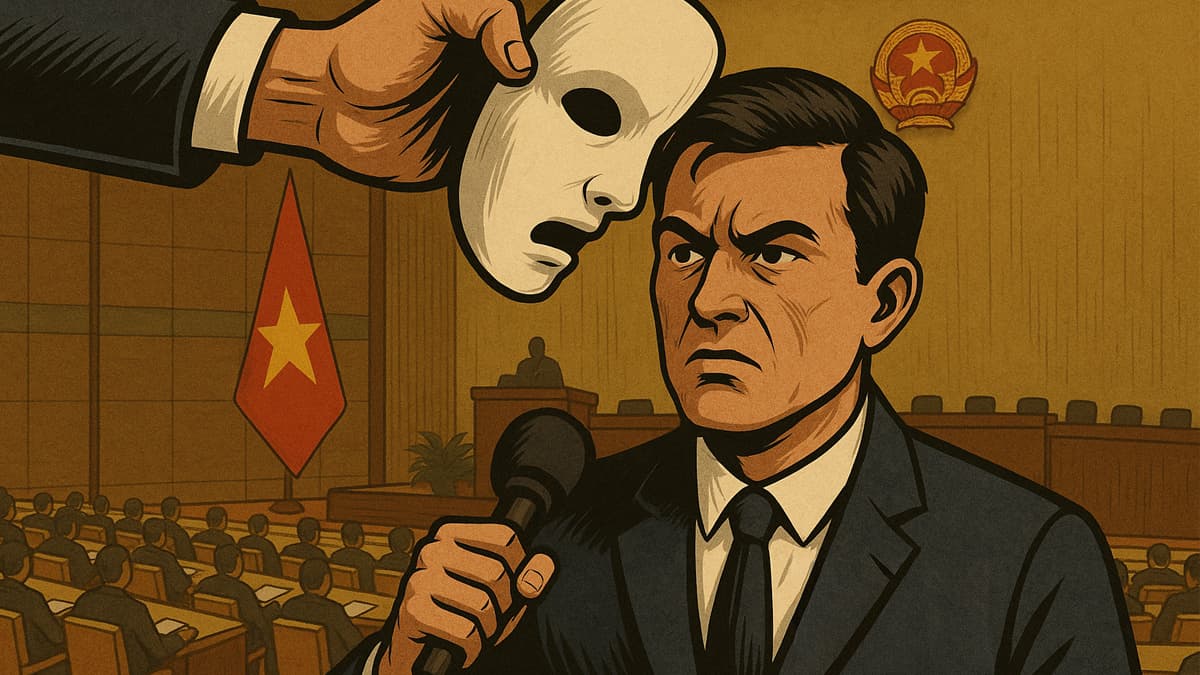
- Vietnam’s National Assembly passed reforms requiring journalists to disclose sources in any criminal case.
- Amendments also expand categories of state secrets and give police powers to compel disclosure.
- Press freedom groups warn the changes severely undermine journalistic confidentiality.
Vietnam’s parliament has passed sweeping reforms to its media and state secrets laws, sparking criticism from international watchdogs who say the new rules will significantly constrain press freedom and put journalists at greater legal risk.
The revised press law, adopted on 11 December 2025, allows authorities to compel journalists to reveal their sources during any criminal investigation. This marks a departure from the previous 2016 legislation, which only permitted such disclosure in cases involving “very serious or especially serious crimes.”
According to a review of the amendments by Reuters, the expanded powers will take effect from July 2026. The reforms also empower the Ministry of Public Security and local police to issue disclosure requests, whereas only judges could previously authorise such actions.
Aleksandra Bielakowska of Reporters Without Borders (RSF) described the changes as “appalling,” stating that they would make Vietnam “an almost impossible place for journalists to report freely.”
RSF currently ranks Vietnam 173rd out of 180 countries in its 2025 World Press Freedom Index, citing widespread restrictions on media and the detention of journalists.
Bielakowska noted that at least 28 journalists are currently imprisoned in Vietnam, often “in inhumane conditions, simply for doing their jobs.”
The Vietnamese government has not issued a statement responding to the concerns raised.
In parallel, lawmakers passed amendments to the state secrets law that broaden the definition of what constitutes classified information. The updated law, set to come into force in March 2026, adds several new categories, including details of leaders’ overseas travel, state compensation matters, and settlements in international investment disputes.
Disclosure of such state secrets remains a criminal offence, subject to fines and imprisonment.
Bielakowska said this expansion “grants authorities yet another tool of repression against an already shattered media landscape.”
The legal changes come amid what observers describe as a broader crackdown on freedom of expression in the one-party state.
In recent months, Vietnam has implemented a series of restrictive measures including the suspension of the messaging platform Telegram, the banning of a printed edition of The Economist, and the withdrawal of passports from several foreign media correspondents, including a Vietnamese journalist working for the British Broadcasting Corporation (BBC).
Foreign journalists in Vietnam also report facing surveillance, restricted access to press events, and approval requirements for domestic travel.
Vietnam’s National Assembly also approved updates to its cybersecurity law, tightening control over digital communications and content. Under the new provisions, foreign technology firms operating in Vietnam must verify user identities and comply with government orders to remove illegal content within 24 hours—or within six hours if deemed a threat to national security.
These companies are also required to hand over user data to police within 24 hours in cases of cybersecurity violations and within three hours for more urgent national security threats.
The cybersecurity revisions, alongside the amended press and secrets laws, form part of a growing arsenal of regulatory tools available to the Ministry of Public Security, whose influence has expanded significantly in recent years.
Legal analysts and press freedom advocates warn that the combined effect of these measures could further isolate Vietnam’s media environment and stifle both domestic and foreign reporting.
Despite nominal legal protections, domestic media in Vietnam operate under strict state control, with editorial lines closely monitored and dissenting voices subject to sanctions or imprisonment.
International observers say the latest legislative changes deepen these controls and mark a significant retreat from even the limited freedoms previously afforded under Vietnamese law.