Vietnamese military document reveals deep mistrust of U.S. amid elevated ties
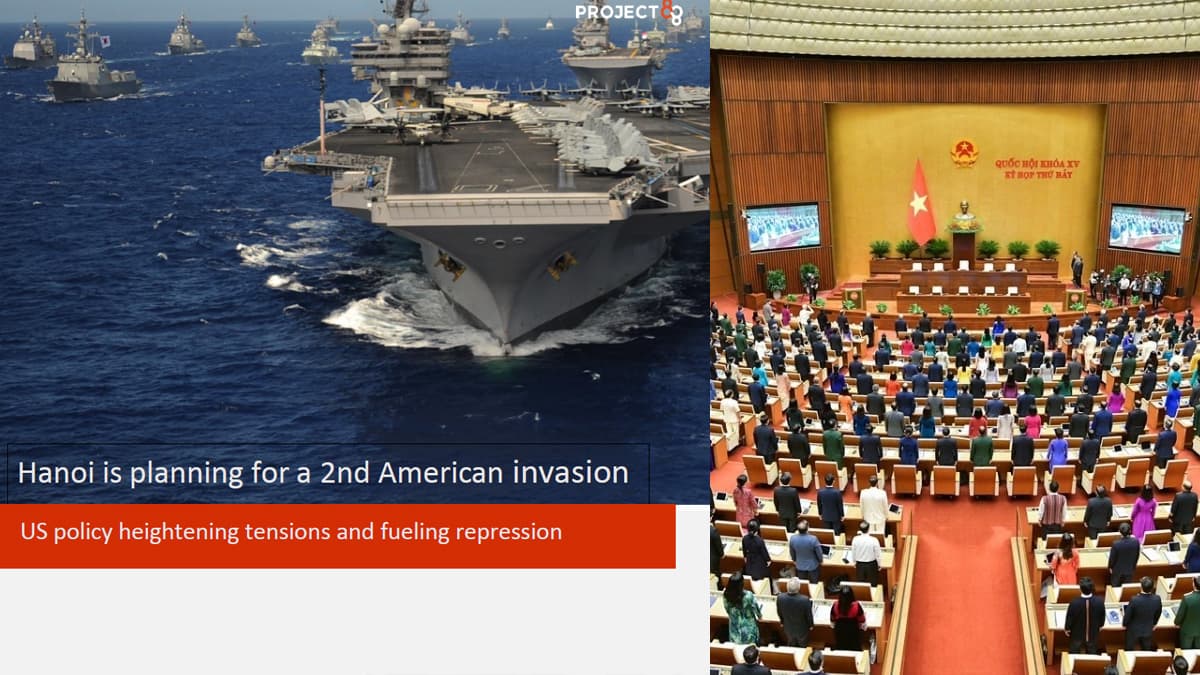
A leaked Vietnamese defence document reveals Hanoi’s military still views the U.S. as a “belligerent” force capable of invasion and regime change, despite a recently elevated strategic partnership between the two countries.
- A leaked defence document reveals Vietnam's military views the U.S. as a “belligerent” power, despite upgraded diplomatic ties.
- The report reflects enduring fears of “colour revolution” threats against Vietnam’s socialist regime.
- Analysts note growing internal division in Vietnam's leadership on relations with Washington.
A year after Vietnam and the United States elevated bilateral relations to their highest level, a newly disclosed internal defence document reveals Hanoi’s lingering mistrust of Washington’s intentions.
According to a report released on 30 January 2026 by The 88 Project, a human rights organisation focused on Vietnam, a Vietnamese Ministry of Defence document titled “The 2nd U.S. Invasion Plan” outlines scenarios of potential U.S.-led intervention.
Completed in August 2024, the classified assessment categorises the United States as a “belligerent” actor and warns of possible attempts to destabilise Vietnam through “unconventional warfare” and engineered uprisings.
While noting that the immediate risk of war is low, the document warns against complacency, stating that the U.S. and its allies may fabricate pretexts to launch an invasion should Vietnam “deviate from its orbit.”
Colour revolution paranoia fuels policy outlook
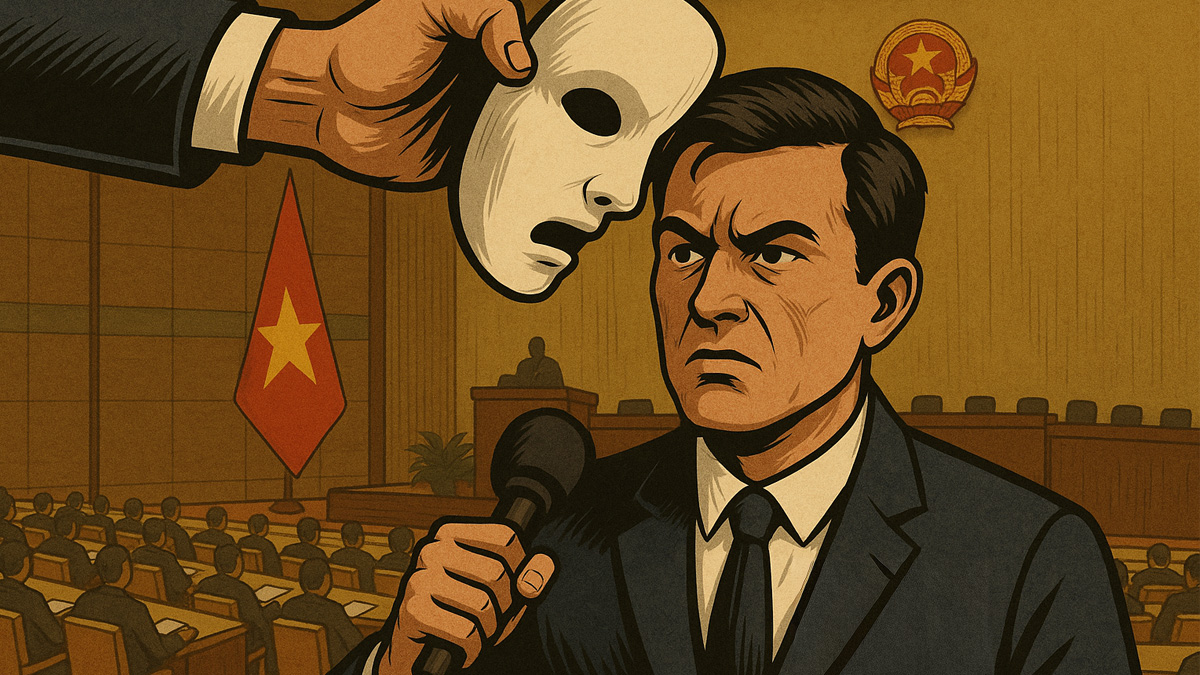
The military document reflects an entrenched fear among Vietnamese leaders of a U.S.-supported “colour revolution”—a popular uprising leading to regime change.
Such concerns have grown since the 2004 Orange Revolution in Ukraine and the 1986 Yellow Revolution in the Philippines, both cited in Vietnamese analyses as cautionary examples.
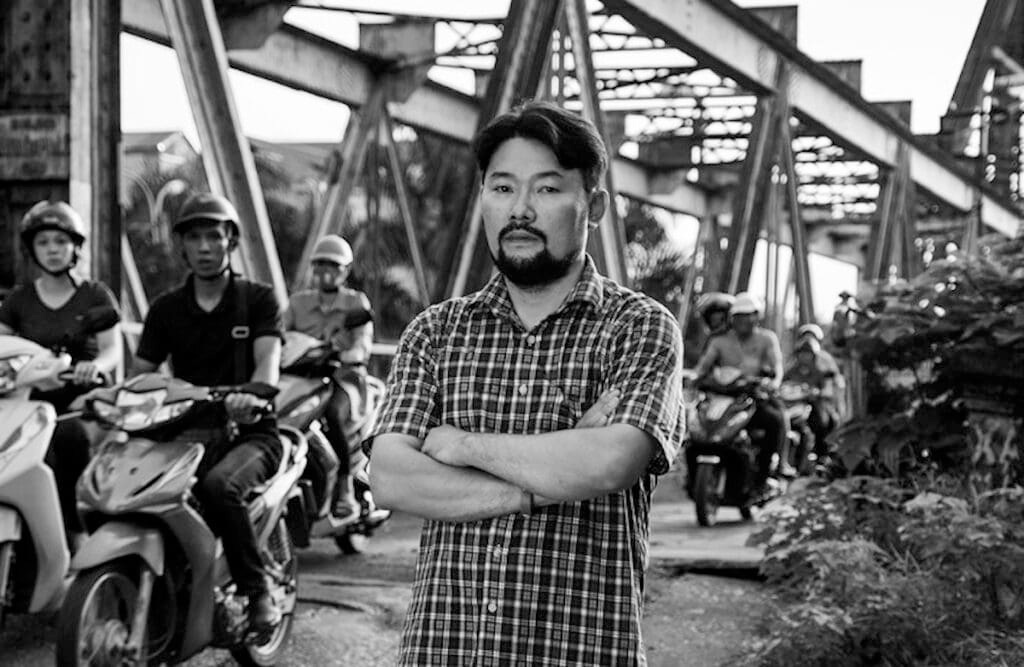
Ben Swanton, co-director of The 88 Project and author of the report, stated that these fears are institutionalised across the Vietnamese government.
“There’s a consensus here across the government and across different ministries,” said Swanton. “This isn’t just some kind of a fringe or paranoid element.”
Mixed signals from Vietnamese leadership
In 2023, the administration of U.S. President Joe Biden signed a “Comprehensive Strategic Partnership” with Vietnam, placing the relationship on par with those Hanoi maintains with China and Russia.
Yet internal planning documents contradict this public posture. Vietnamese military analysts interpret successive U.S. administrations—from Barack Obama to Biden—as seeking to create an “anti-China front” through military partnerships across Asia.
The report argues that, despite diplomatic overtures, the U.S. continues to promote values like democracy, religious freedom, and human rights to weaken Vietnam’s one-party system.
Swanton commented that the leaked document offers “one of the most clear-eyed insights yet into Vietnam’s foreign policy,” revealing that Hanoi does not consider Washington a genuine partner, but a systemic threat.
Signs of internal division
Observers note a longstanding divide within Vietnam’s leadership between reformist and conservative factions. The military and conservative bloc reportedly view deepened U.S. ties with caution.
In June 2024, tensions surfaced when army-linked media accused Fulbright University Vietnam, a U.S.-backed institution, of fomenting a colour revolution. Although the Foreign Ministry defended the university, the incident revealed the extent of internal discord.
Nguyen Khac Giang of the ISEAS–Yusof Ishak Institute said the military has consistently been wary of U.S. engagement, even as diplomatic and economic links have expanded.
Historical memory and strategic calculations
Analysts suggest that Vietnam’s caution stems from historical experience. Zachary Abuza, a professor at the U.S. National War College, noted that the military retains “a very long memory” of the Vietnam War, which ended in 1975.
Despite diplomatic normalisation and economic growth, many leaders still fear Western-backed destabilisation. Abuza’s recent book The Vietnam People’s Army: From People’s Warfare to Military Modernization? examines this cautious approach.
He described the leadership’s concerns as exaggerated: “They have lifted so many people out of poverty, the economy is humming along, they are the darling of foreign investors.”
Nonetheless, China—Vietnam’s long-time rival over South China Sea territory—is viewed more as a competitive neighbour than an existential threat.
Balancing act between global powers
Vietnam’s economic ties underscore its strategic balancing act. China is Vietnam’s largest two-way trade partner, while the U.S. remains its top export destination.
The internal documents suggest that while Vietnamese leaders may value economic cooperation with the U.S., they remain wary of deeper political alignment, particularly if it undermines the ruling Communist Party.
Even some progressive elements within the leadership fear that, given the opportunity, the U.S. would support a colour revolution in Vietnam, Abuza noted.
Trump’s second term raises new uncertainties
The return of Donald Trump to the U.S. presidency in 2025 introduced fresh ambiguity into the U.S.–Vietnam relationship.
Under Vietnamese General Secretary To Lam—who assumed leadership in 2024 and is expected to become President—relations with Washington intensified. Lam’s swift acceptance of a seat on Trump’s Board of Peace and approval of a US$1.5 billion Trump-branded luxury project in Hung Yen Province were seen as unusually rapid decisions.
Giang observed that such moves suggest an easing of restrictions on bilateral cooperation, though concerns persist.
Trump’s controversial military operation in Venezuela and U.S. policies toward Cuba, a historic Vietnamese ally, have alarmed Hanoi’s conservatives. Any destabilisation in Cuba could ripple through Vietnam’s political elite, many of whom maintain close ties with Havana.
Abuza concluded that Vietnamese officials remain wary: “The Trump administration has downplayed human rights but also shown a willingness to remove leaders it dislikes. That mix makes Hanoi deeply uncomfortable.”