Japan and China in maritime standoff near disputed East China Sea islands
Chinese and Japanese coast guard vessels clashed near disputed East China Sea islands on 2 December, amid rising tensions over Taiwan and competing territorial claims.
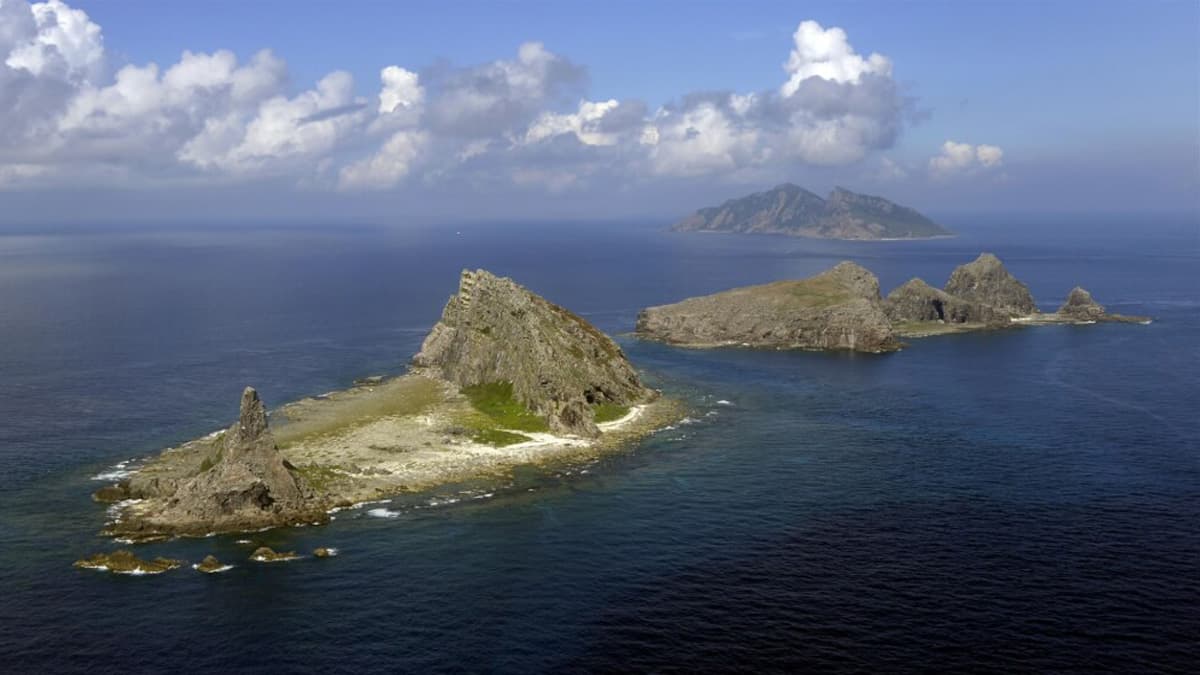
- A Japanese fishing boat and Chinese patrol vessels were involved in a standoff near the Senkaku Islands.
- Japan accused China of violating its waters; China claimed Japan illegally entered its territory.
- The incident followed a recent Japanese parliamentary debate on collective self-defence in a Taiwan crisis.
Tensions between Japan and China escalated again on 2 December 2025, following a maritime confrontation involving coast guard vessels near the disputed islands known as the Senkaku Islands in Japan and the Diaoyu Islands in China, located in the East China Sea.
Japan's Coast Guard reported that two Chinese coast guard ships entered what it considers its territorial waters in the early morning and approached a Japanese fishing boat, prompting an intervention by a Japanese patrol vessel.
According to the Japanese side, the Chinese ships withdrew after receiving demands to leave. In a statement, the Japan Coast Guard said:
"The activities of Chinese coast guard vessels navigating within Japan's territorial waters around the Senkaku Islands while asserting their own claims fundamentally violate international law."
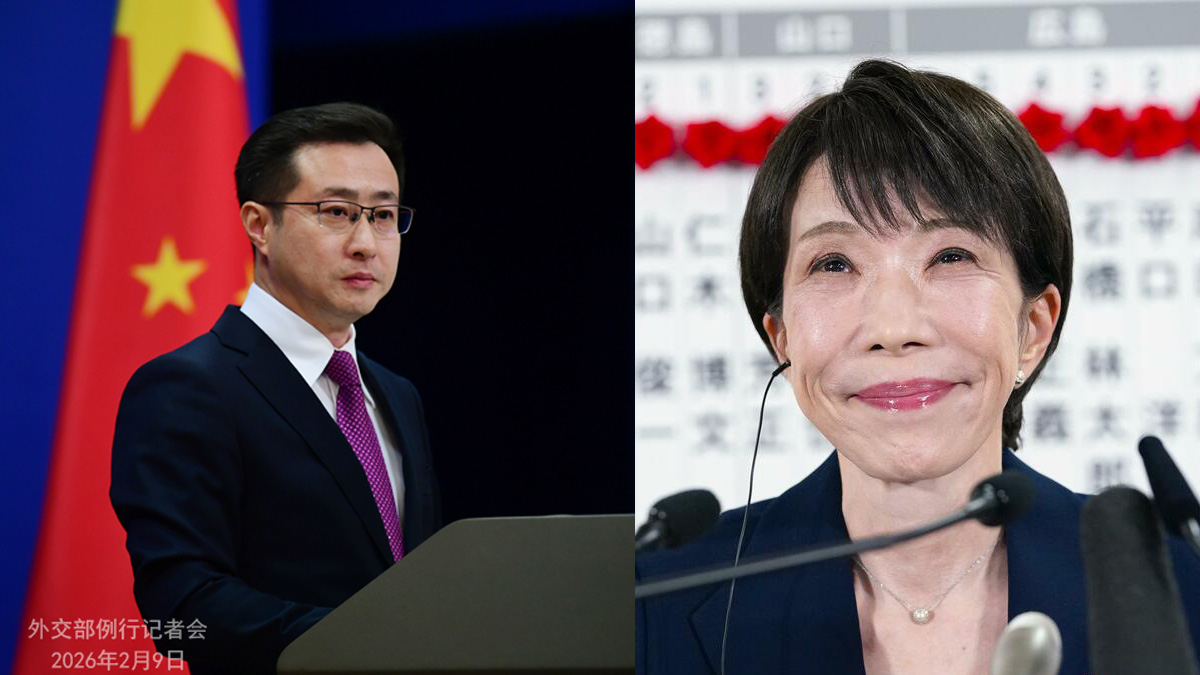
China issued a firm rebuttal the same day. China Coast Guard spokesperson Liu Dejun claimed that the Japanese fishing vessel had illegally entered Chinese territory, referring to the vessel by name.
"On 2 December, the Japanese fishing vessel Suihou Maru illegally entered the territorial waters of China’s Diaoyu Islands. In accordance with the law, China Coast Guard vessels implemented necessary control measures and issued warnings to drive it away," Liu said in a statement posted on the China Coast Guard's official WeChat account.
"The Diaoyu Islands and their affiliated islets are China's inherent territory. We urge the Japanese side to immediately cease all infringing and provocative activities in these waters."
"The China Coast Guard will continue to carry out rights protection and law enforcement operations in the waters around the Diaoyu Islands, resolutely safeguarding national territorial sovereignty and maritime rights and interests."
This is the second such incident reported in recent weeks. On 16 November, a similar encounter occurred near the same disputed waters, according to Kyodo News.
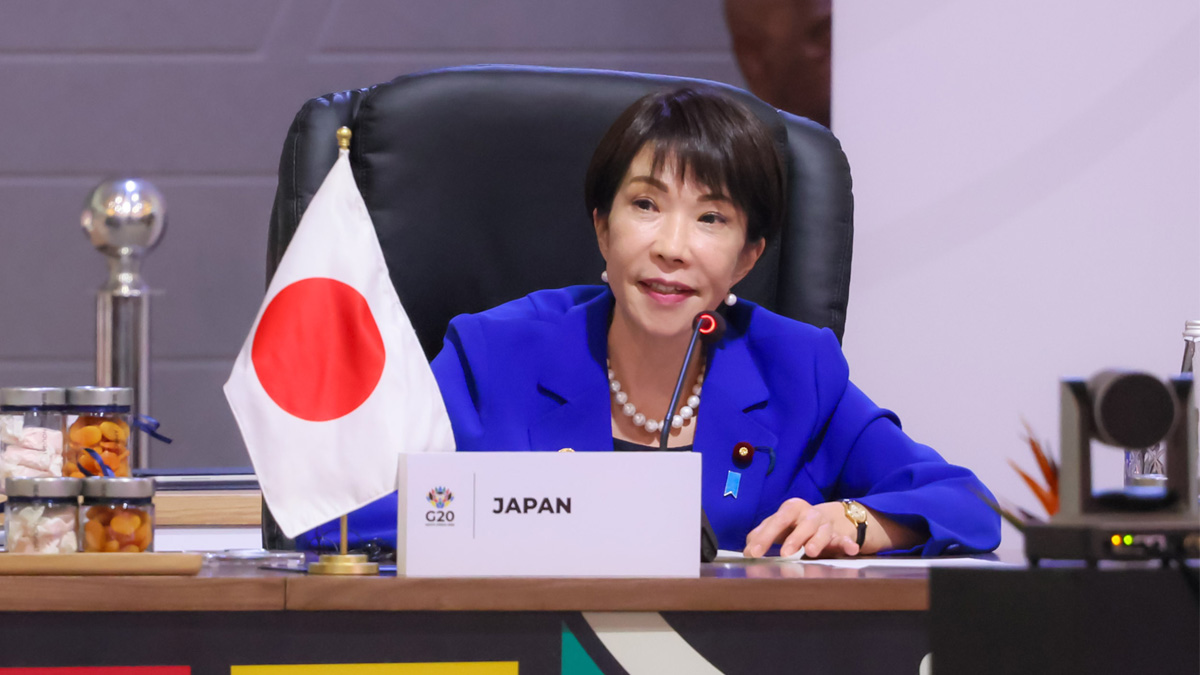
The maritime tensions come amid a deterioration in bilateral relations following a 7 November parliamentary exchange involving Prime Minister Sanae Takaichi. During a session of the House of Representatives Budget Committee, opposition lawmaker Katsuya Okada pressed the Prime Minister on the application of Japan’s collective self-defence laws in the event of a Taiwan crisis.
Takaichi reaffirmed Japan’s longstanding stance that the Taiwan issue should be resolved peacefully through dialogue. She also emphasised that under Japan’s 2015 security legislation, any determination on whether a scenario constitutes a “survival-threatening situation” — the legal threshold for limited collective self-defence — must be made on a case-by-case basis, considering all circumstances at the time.
She specifically declined to draw conclusions about hypothetical scenarios, including maritime blockades, and reiterated that Japan’s response would depend on factors such as the use of force, the threat level to Japanese lives and infrastructure, and the scale of any conflict involving allies.
Her remarks drew criticism from some lawmakers, who argued that the criteria for invoking collective self-defence remained vague and risked granting excessive discretion to the executive branch.
In response to the heightened political discourse, China has taken several non-military retaliatory steps. These include suspending a Japanese singer's performance in Shanghai on 29 November and renewing a travel advisory warning Chinese citizens against visiting Japan. There are also reports of a reinstated ban on Japanese seafood imports.
Despite these symbolic measures, China has thus far refrained from imposing broader economic restrictions, such as curbs on rare earth metal exports.
The disputed islands, known as the Senkaku Islands in Japan and the Diaoyu Islands in China, have long been a flashpoint in the East China Sea. Though uninhabited, they lie in strategically important, resource-rich waters and are claimed by both countries.
With no direct diplomatic negotiations on the matter underway, and with domestic politics in both countries hardening positions, observers warn that maritime incidents may continue to increase in frequency and intensity.