Bangladesh BNP wins landslide election, Tarique Rahman set to lead after unrest
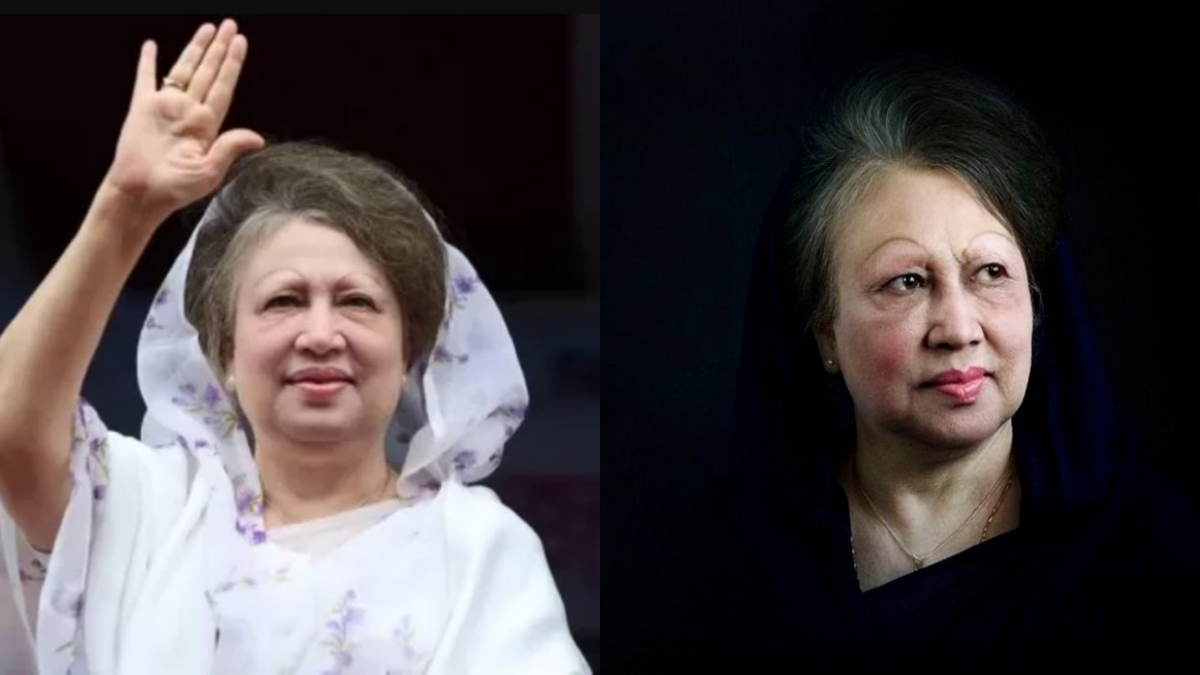
Bangladesh’s BNP has secured a landslide victory in parliamentary elections, winning at least 212 seats. Leader Tarique Rahman is poised to become prime minister as the country seeks stability after months of unrest and economic disruption.
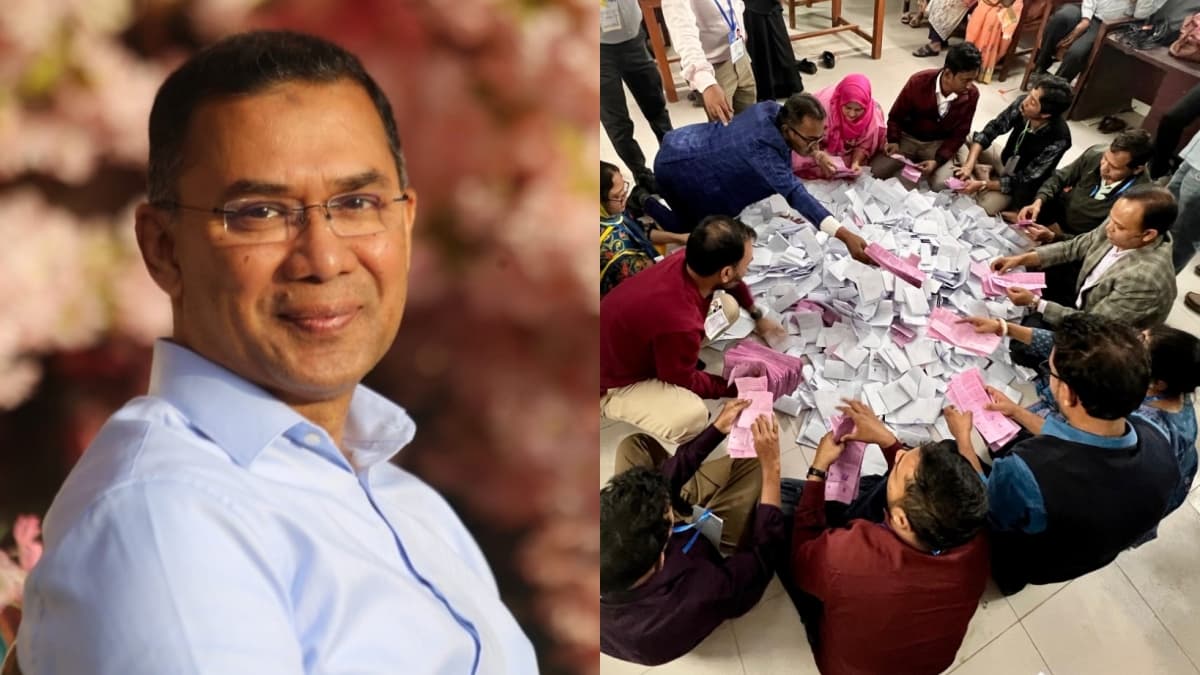
- The Bangladesh Nationalist Party (BNP) won at least 212 of 299 seats in parliamentary elections held on 13 February 2026.
- Party leader Tarique Rahman is poised to become prime minister amid economic and political challenges.
- The vote marks the first widely viewed competitive election since the 2024 unrest that ousted Sheikh Hasina.
Bangladesh’s opposition Bangladesh Nationalist Party (BNP) secured a landslide victory in the 13th parliamentary election on 13 February 2026, returning to power after nearly two decades and positioning Tarique Rahman to become prime minister.
Official results released by the Election Commission showed the BNP and its allies winning at least 212 of 299 contested seats in the Jatiya Sangsad, or House of the Nation.
The opposition Jamaat-e-Islami and its allies won 77 seats, while the National Citizen Party (NCP) secured five of the 30 constituencies it contested.
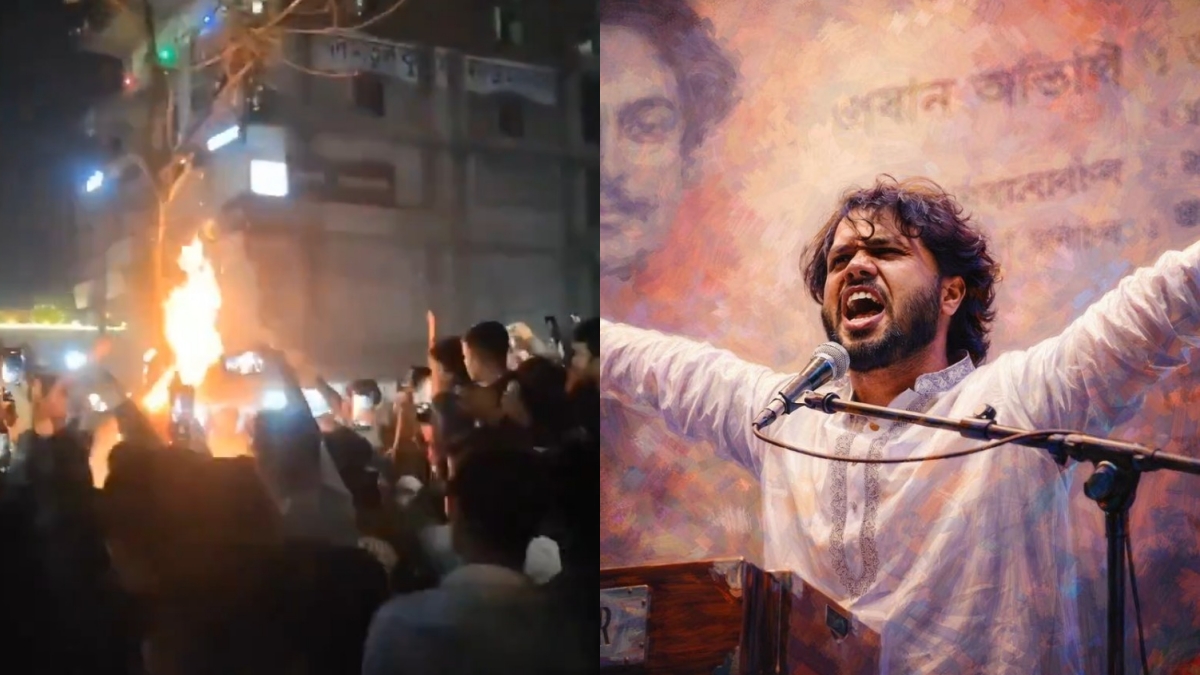
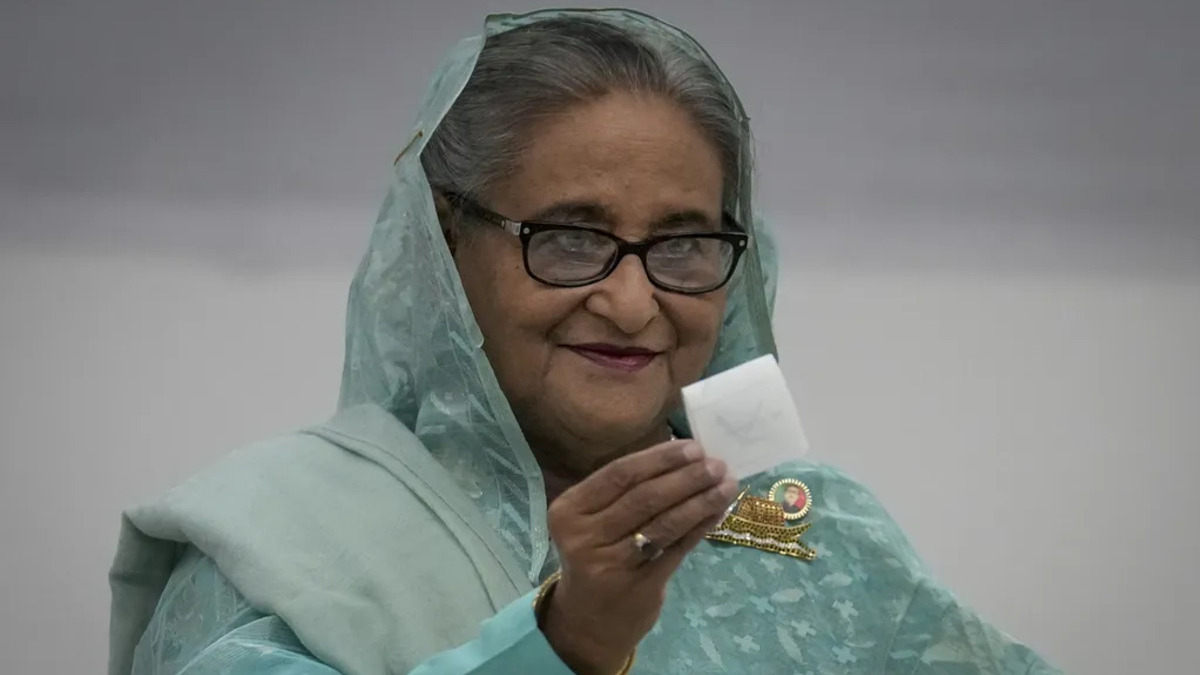
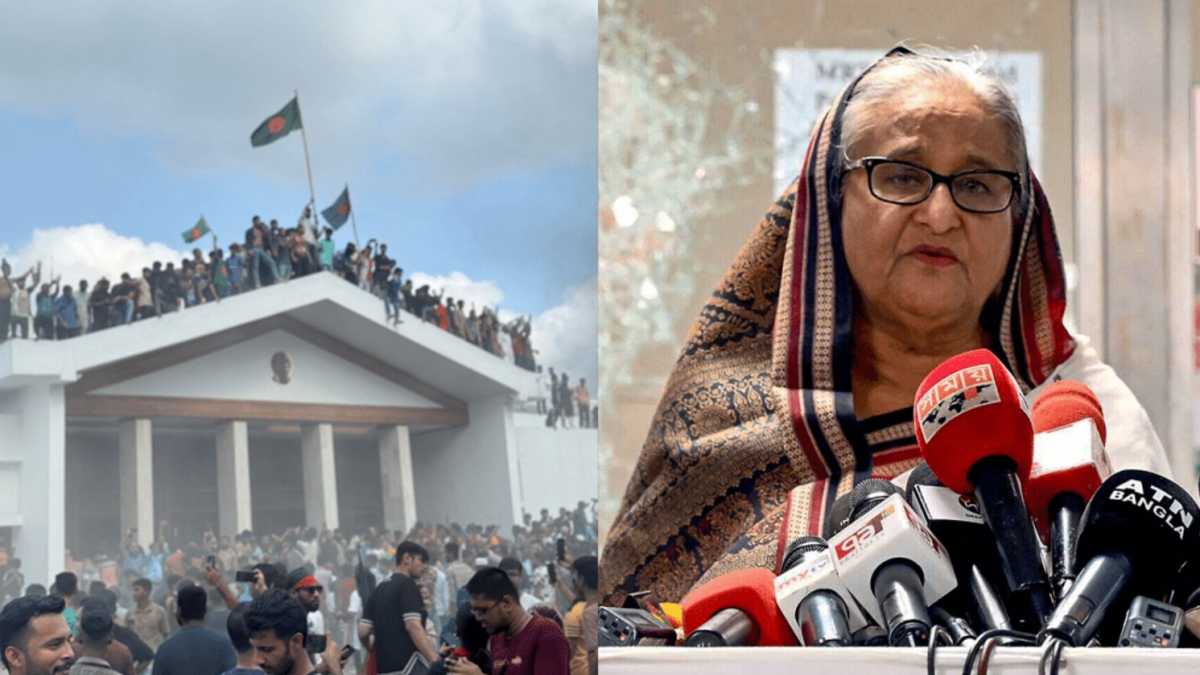
The election was widely viewed as the South Asian nation’s first genuinely competitive vote in years, following months of unrest and economic disruption after the collapse of Sheikh Hasina’s government in 2024.
An interim administration led by Nobel laureate Muhammad Yunus has governed since then.
Leadership and immediate challenges
Rahman, 60, has yet to make a public statement more than 12 hours after trends showed a clear victory for his party.
Local media reported that he smiled and waved at journalists outside his residence in Dhaka before leaving for prayers at a mosque.
In an early morning statement, the BNP urged supporters to avoid celebratory rallies and instead offer special prayers.
“Despite winning by a large margin of votes, no celebratory procession or rally shall be organised,” the party said.
Rahman faces immediate challenges in restoring political stability and rebuilding investor confidence.
Key industries, including garment manufacturing, were disrupted during months of anti-government protests and violence.
Bangladesh is the world’s second-largest apparel exporter, and factory closures and supply chain disruptions affected global buyers.
In its manifesto, the BNP pledged to prioritise job creation, protect low-income households and ensure fair prices for farmers.
International reactions and regional implications
International leaders were quick to congratulate Rahman.
Among them were Narendra Modi, Shehbaz Sharif and the United States ambassador to Bangladesh, Brent T. Christensen.
Bangladesh has become an arena of strategic competition among India, China and the United States.
Relations between New Delhi and Dhaka deteriorated after Hasina fled to India in 2024, affecting visa services and sporting ties.
Electoral context and historical comparison
Jamaat-e-Islami conceded defeat late on 12 February 2026 but said it was “not satisfied” with aspects of the electoral process.
The party contested for the first time since a 2013 ban was lifted following Hasina’s removal from office.
The BNP’s tally surpasses its previous high of 193 seats in 2001.
By comparison, Hasina’s Awami League secured 230 seats in 2008 but was barred from contesting this election.
Voter turnout exceeded the 42 per cent recorded in 2024, with media reports estimating nearly 60 per cent participation.
More than 2,000 candidates from at least 50 parties were on the ballot. Voting in one constituency was postponed after a candidate’s death.
Constitutional reform referendum
Alongside the parliamentary election, citizens were presented with a single ballot question on whether they approved the July National Charter 2025 — an 84-point reform package drafted after extended consultations among political parties and the National Consensus Commission chaired by Yunus.
Proposed amendments include a two-term limit for prime ministers, strengthened judicial independence, enhanced representation for women, neutral interim administrations during elections and the creation of a second parliamentary chamber.
The ballot asked voters to express agreement or disagreement with four broad reform areas summarising the 84 proposals. Each voter cast a secret ballot marked either “Yes” or “No”.
If approved by a majority of voters, the newly elected parliament will function as a constitutional reform council, effectively acting as a constituent assembly.
According to local media reports, more than 2 million voters chose “Yes”, while more than 850,000 voted “No”, though there was no official confirmation of the outcome.