Suspects in killing of student leader Sharif Osman Hadi reportedly fled to India, Dhaka police say
Bangladesh police say the alleged killers of student leader Sharif Osman Hadi fled to India, a claim denied by Indian authorities, as investigations near completion amid heightened political tensions.
- Bangladesh police say the alleged killers of student leader Sharif Osman Hadi fled to India after the shooting.
- Indian police and border authorities have publicly denied the claims and say no arrests were made.
- Hadi’s killing has intensified political tensions and public anger following the 2024 uprising.
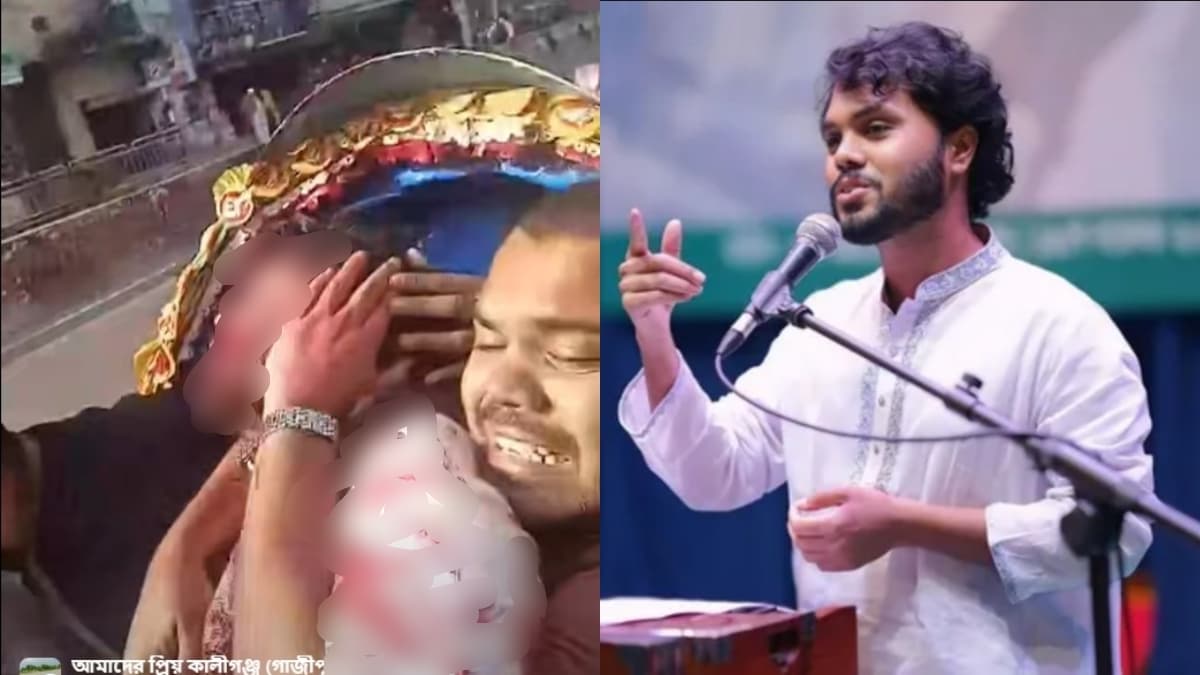
Bangladesh police have claimed that the main suspects in the murder of prominent student leader Sharif Osman Hadi fled to India after the shooting, a statement that has been strongly denied by Indian police and border authorities.
Speaking at a news conference in Dhaka on 28 December 2025, Dhaka Metropolitan Police Additional Commissioner SN Nazrul Islam said the alleged shooter and his accomplice escaped across the border with the help of intermediaries.
According to Nazrul Islam, the main shooter, Faisal Karim Masud, and his alleged accomplice, Alamgir Sheikh, fled Bangladesh shortly after the attack and entered India through illegal routes in the northeastern border region.
Claims of assistance by Bangladeshi and Indian nationals
He said two Indian nationals had been arrested in the Indian state of Meghalaya for allegedly assisting the suspects’ border crossing, a claim later rejected by Indian authorities.
Nazrul Islam described the killing of Hadi, the convener of the student protest platform Inqilab Manch, as premeditated, adding that investigators had reconstructed the suspects’ movements after the shooting.
According to police accounts, Faisal and Alamgir left Dhaka by car and travelled to Mymensingh, a city near the Indian border. They were allegedly assisted by two Bangladeshi nationals, Philip Pal and Sanjay, in crossing the border illegally.
Police said Philip later transported the two suspects into Meghalaya, where they were taken to the town of Tura and handed over to an Indian citizen named Purti. The suspects allegedly continued their journey in a vehicle belonging to another Indian national, Sami.
Nazrul Islam said a total of 11 people had been arrested in connection with the case and that the investigation was nearing completion. He added that a charge sheet would be filed within seven to 10 days.
Indian police and border force reject Dhaka’s account
Indian authorities, however, have rejected the Bangladeshi police version of events. A senior police official in Meghalaya told local media that no formal or informal communication had been received from Bangladesh police regarding the suspects.
The official said none of the accused named by Dhaka police had been traced in the Garo Hills region and that no arrests had been made in connection with the case.
India’s Border Security Force also refuted the claims. According to a statement cited by Indian media, Inspector General OP Upadhayay of the BSF’s Meghalaya Frontier said there was no evidence of the suspects crossing the international border.
“There is no evidence whatsoever of these individuals crossing the international border from the Haluaghat sector into Meghalaya,” he said, adding that no such incident had been detected or reported by border personnel.
Details of the shooting and medical condition
Sharif Osman Hadi, aged 32, was shot on 12 December 2025 while travelling in a battery-powered auto-rickshaw in Dhaka, according to a report by the Dhaka Tribune.
The attacker reportedly fired from a motorcycle before fleeing the scene. Hadi was initially taken to Dhaka Medical College Hospital for emergency treatment.
Doctors later told the Dhaka Tribune that he had suffered severe brain stem damage. He was subsequently transferred to Singapore for advanced medical care, where he died on 18 December.
Hadi’s political rise and role in the 2024 uprising
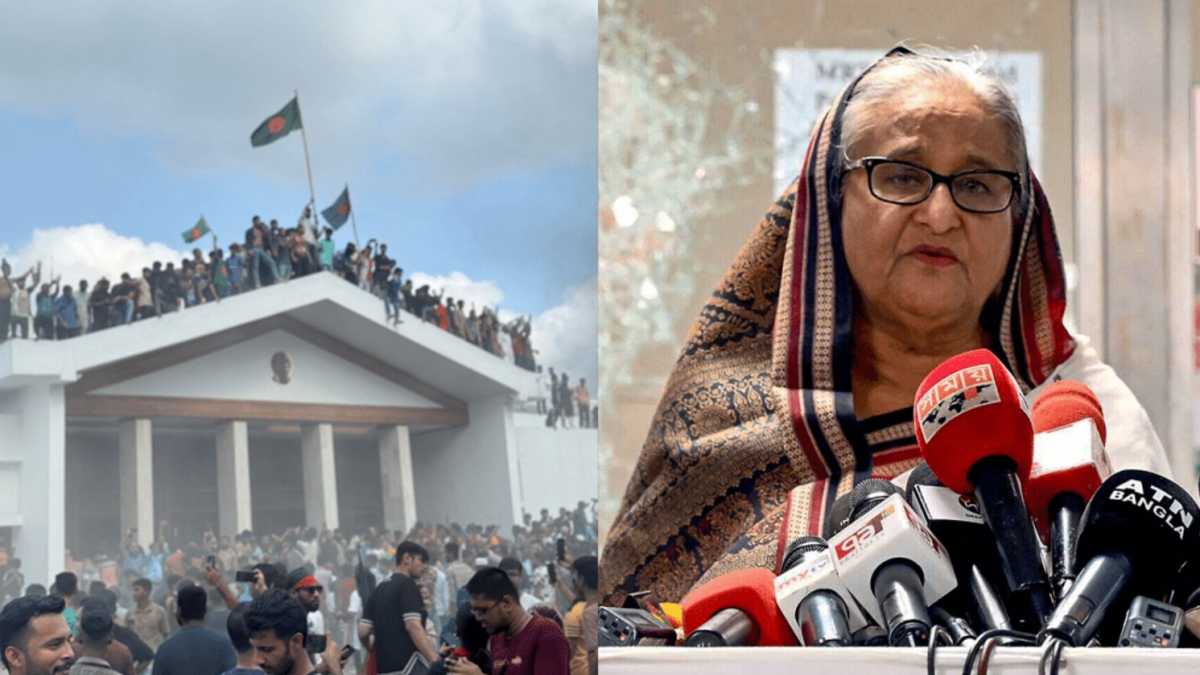
Hadi had emerged as a leading figure during the 2024 student-led uprising that ultimately led to the ouster of former prime minister Sheikh Hasina. He was known for his strong anti-India stance and outspoken criticism of Hasina’s government.
Following confirmation of his death, tributes and expressions of grief poured in from political leaders and citizens across Bangladesh.
Interim government head Muhammad Yunus described Hadi’s death as “an irreparable loss for the nation” in a Facebook post shared shortly after it was confirmed.
Yunus vowed accountability, stating that all those involved in what he called a brutal murder would be brought swiftly to justice and face the highest punishment under the law.
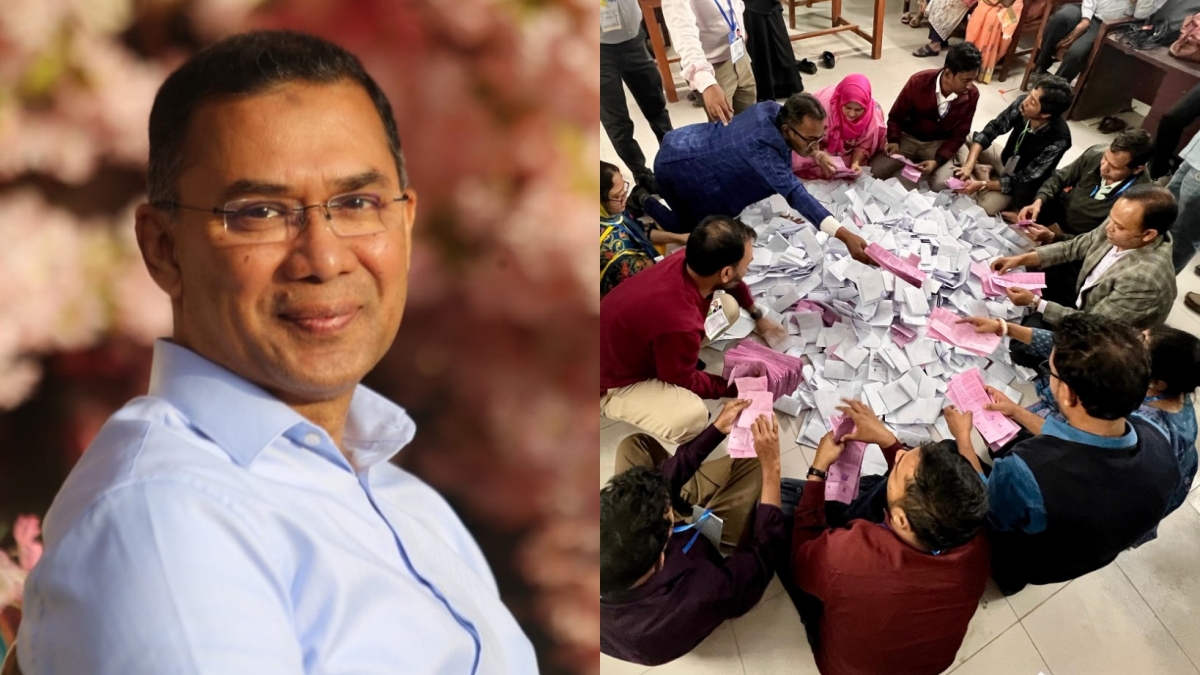
Local media had previously reported that Hadi was being considered as a potential candidate for the Dhaka-8 constituency in the national elections scheduled for February.
Public grief, protests, and official reactions
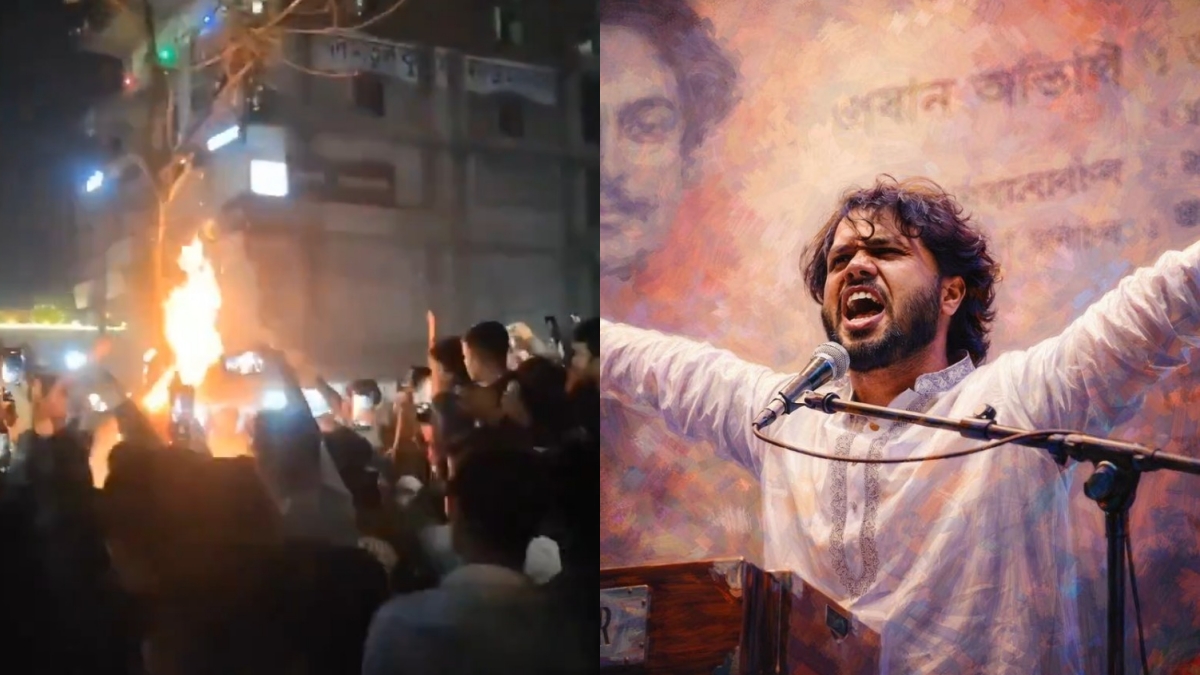
His killing triggered violent protests in parts of the country, with angry mobs torching several buildings. These included two major newspapers accused by protesters of favouring India, as well as a prominent cultural institution.
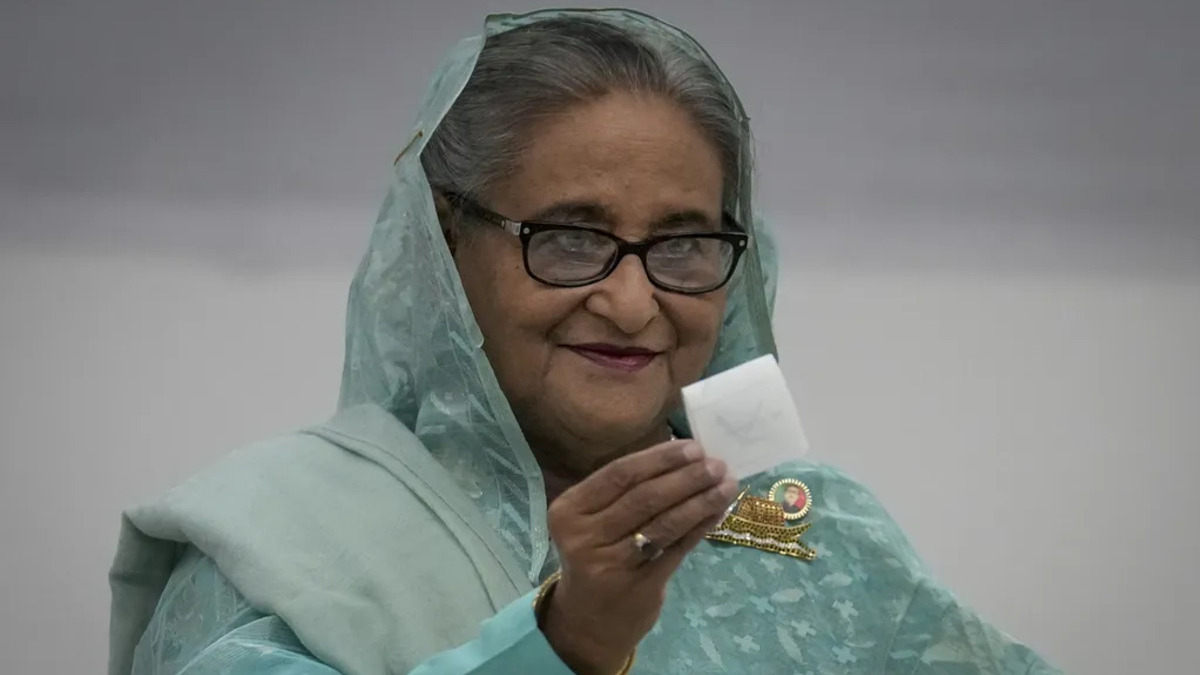
The case has further strained already tense relations between Dhaka and New Delhi. Ties have deteriorated since Sheikh Hasina fled Bangladesh following the 2024 uprising and sought refuge in India.
India has said it is still considering Dhaka’s requests to extradite Hasina, who was sentenced to death in absentia for orchestrating a deadly crackdown on protesters during the uprising.