Bangladesh’s first female prime minister Khaleda Zia dies aged 80
Bangladesh’s first female prime minister Khaleda Zia has died aged 80 after weeks in critical condition, closing a political chapter defined by rivalry, resilience and repeated battles for power.
- Khaleda Zia, Bangladesh’s first female prime minister and long-time BNP leader, has died at 80 after prolonged illness.
- Her career shaped decades of Bangladeshi politics, marked by rivalry with Sheikh Hasina and repeated returns to power.
- Her death comes months before expected general elections following the ousting of Hasina’s government.
DHAKA, BANGLADESH: Bangladesh’s first female prime minister Khaleda Zia has died at the age of 80 after suffering from prolonged illness, her party announced on Monday, 30 December 2025.
“Our favourite leader is no longer with us. She left us at 6am this morning,” the Bangladesh Nationalist Party (BNP) said in a statement posted on Facebook.
Zia had been hospitalised for the past month at Evercare Hospital in Dhaka, where she was treated for kidney damage, heart disease and pneumonia, among other conditions, according to party officials.
Physicians said on 29 December, 2025 that her condition was “extremely critical”.
She had been placed on life support, but doctors said multiple treatments could not be administered simultaneously given her age and overall poor health.
Crowds gathered outside the hospital following news of her death, with photographs showing police officers attempting to prevent supporters from entering the premises.
Zia rose to office in 1991 after leading the BNP to victory in Bangladesh’s first democratic election in 20 years, following prolonged military-backed rule.
Her election made her the country’s first woman to serve as head of government, a milestone that reshaped Bangladesh’s political landscape and inspired generations of women to enter politics.
She served three terms as prime minister, though her second term in 1996 lasted only a few weeks amid political turmoil and boycotts.
Zia returned to office in 2001 and served until October 2006, stepping down ahead of a general election that was later delayed amid unrest and the imposition of emergency rule.
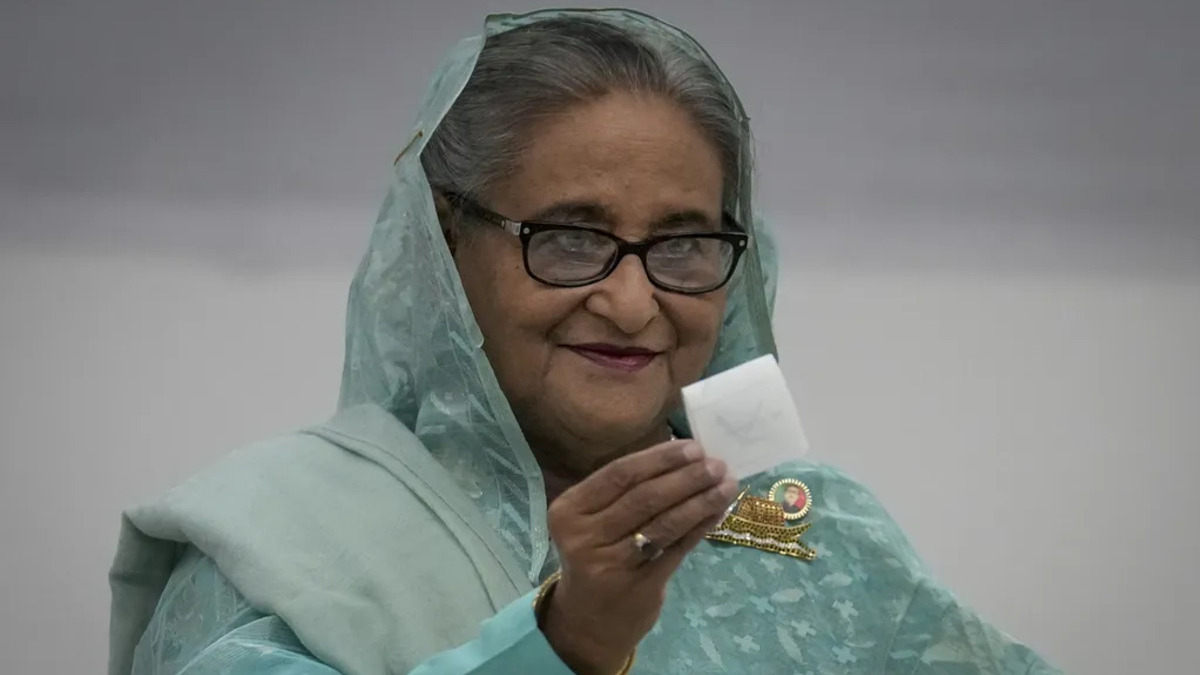
Her political life was deeply intertwined with her rivalry with Sheikh Hasina, leader of the Awami League, which dominated Bangladeshi politics for decades.
The two women alternated between government and opposition, with their bitter feud often paralysing parliament and spilling onto the streets through protests and strikes.
Zia first entered public life as the wife of former president Ziaur Rahman, who founded the BNP and ruled after the assassination of Sheikh Mujibur Rahman.
Following Ziaur Rahman’s assassination in a 1981 military coup, Khaleda Zia gradually assumed leadership of the BNP, eventually becoming its chairperson.
Her career was marred by repeated corruption allegations, which she consistently denied, describing them as politically motivated.
In 2018, she was jailed on corruption charges under Hasina’s administration, a conviction that barred her from contesting elections at the time.
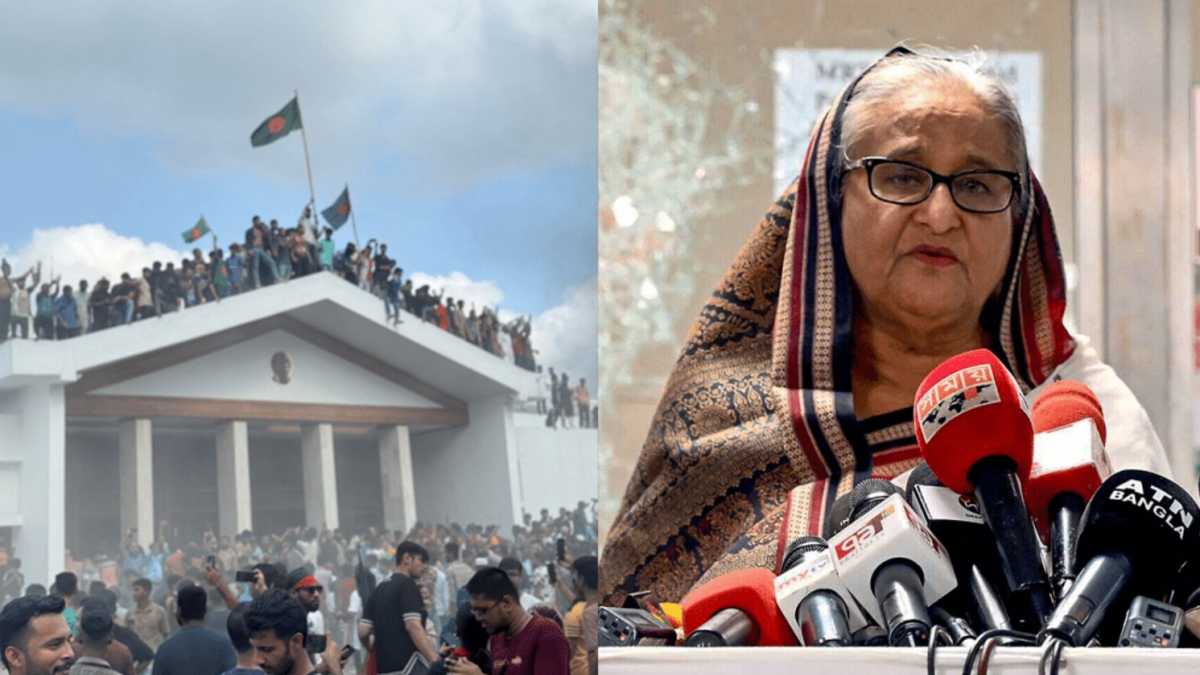
Zia was released in 2024 after mass anti-government protests toppled Hasina’s government, forcing her rival into exile, according to BNP statements.
Despite her deteriorating health, the BNP said earlier this year that Zia intended to contest general elections expected in February, the first since the political upheaval.
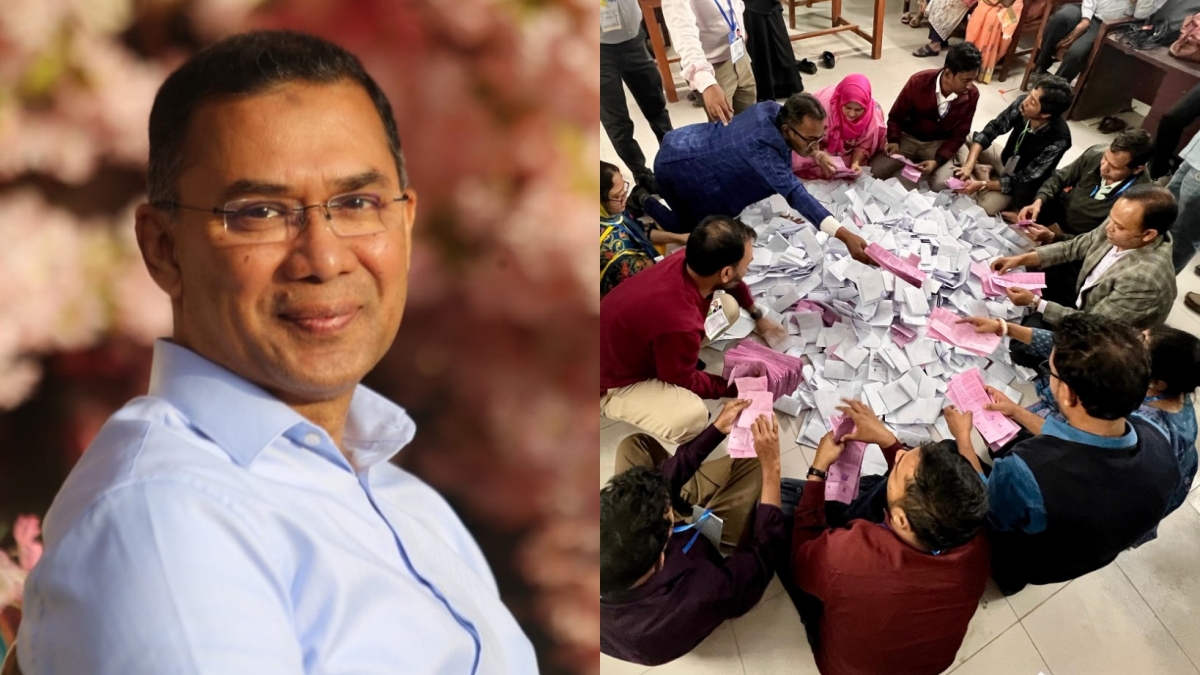
The party is now eyeing a return to power, with Zia’s son, Tarique Rahman, widely expected to assume leadership if the BNP wins.
Rahman, 60, returned to Bangladesh last week after 17 years in self-imposed exile in London, marking a significant moment for the party.
During Zia’s final days, interim leader Muhammad Yunus called on the nation to pray for her recovery, describing her as a “source of utmost inspiration for the nation”.
Family members, including Rahman, his wife and daughter, were by her side during her final moments, the BNP said.
“We pray for the forgiveness of her soul and request everyone to offer prayers for her departed soul,” the party said in a follow-up statement on Tuesday.
Tributes poured in from across Bangladesh’s political spectrum and international community following news of her death.
India’s Prime Minister Narendra Modi said he was “deeply saddened” by her passing, offering condolences to her family and the people of Bangladesh.
“As the first woman Prime Minister of Bangladesh, her important contributions towards the development of Bangladesh, as well as India-Bangladesh relations, will always be remembered,” Modi said in a statement.
He recalled a “warm meeting” with Zia in Dhaka in 2015 and expressed hope that her vision and legacy would continue to guide bilateral ties.
Bangladesh’s leading newspapers reflected on her complex legacy, with Prothom Alo describing her as an “uncompromising leader”.
The English-language Daily Star called her a “defining figure of Bangladesh’s democratic struggle” who showed “tenacity in political survival and grit”.