Chinese-born tycoon Chen Zhi arrested in Cambodia and extradited to China over scam allegations
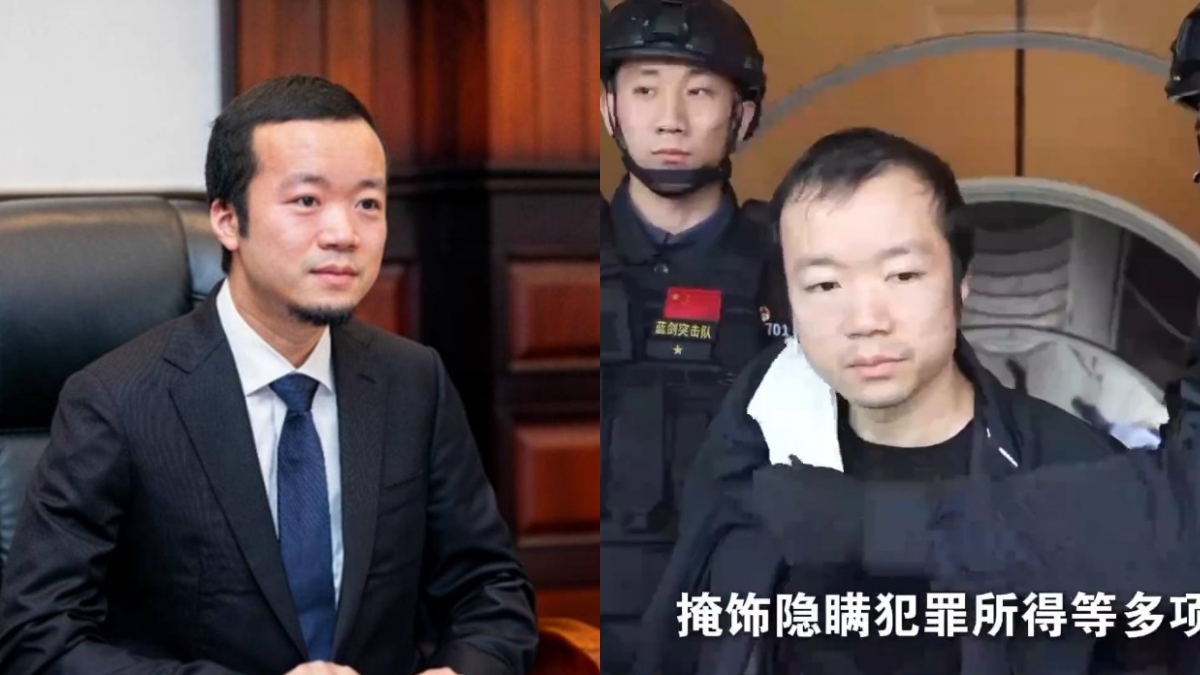
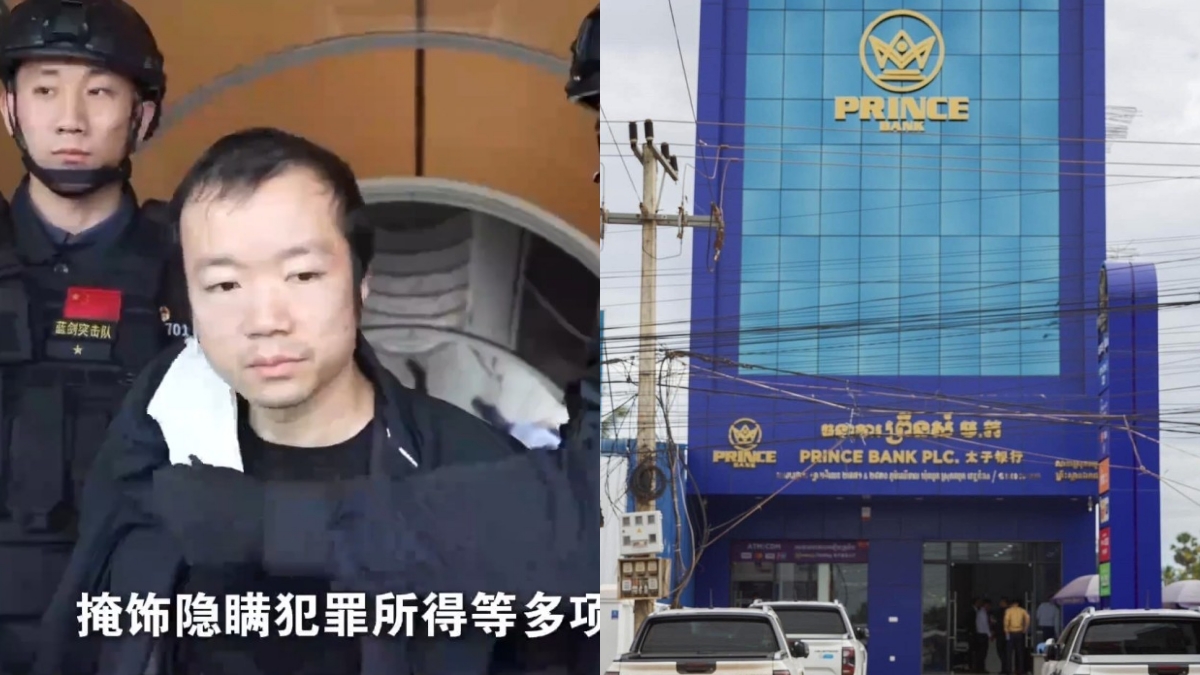
Chinese-born tycoon Chen Zhi has been arrested in Cambodia and extradited to China, following accusations that he ran internet scam centres using trafficked workers and oversaw one of the largest cryptocurrency fraud operations ever uncovered.
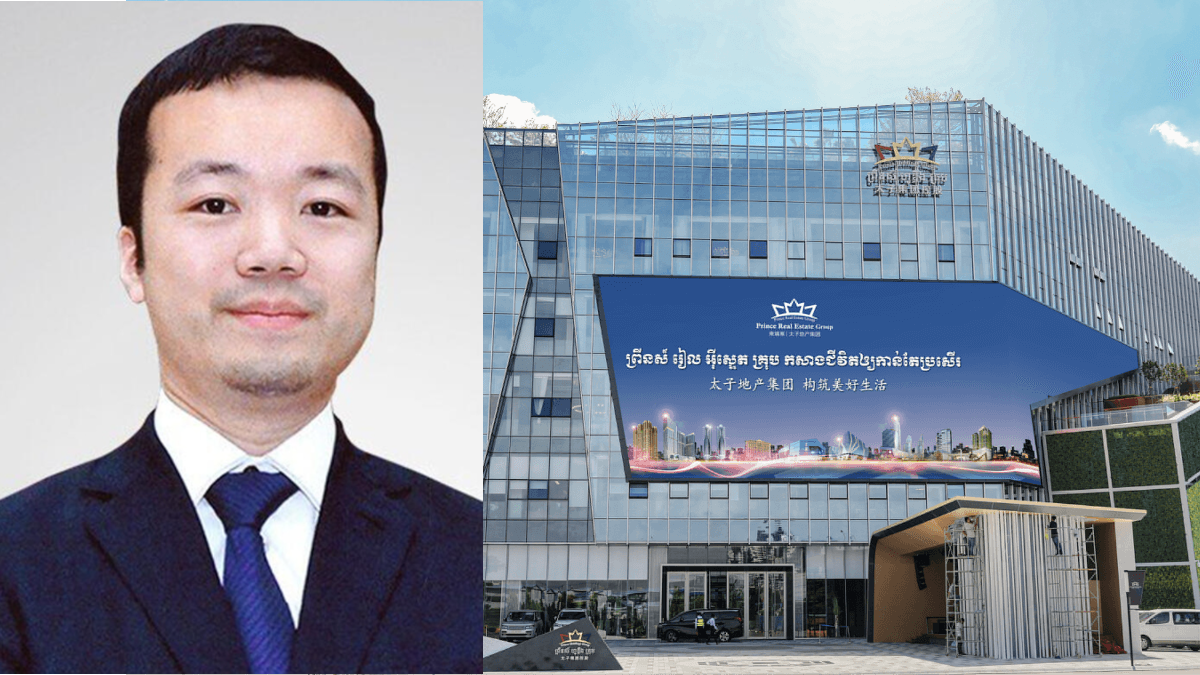
- Cambodian authorities arrested Chen Zhi and two other Chinese nationals and extradited them to China on 7 January 2026.
- Chen has been accused by the United States of masterminding large-scale online scams involving forced labour and cryptocurrency fraud.
- Chen is the founder of Prince Holding Group, a major Cambodian conglomerate previously sanctioned by US and UK authorities.
PHNOM PENH, CAMBODIA: Chinese-born tycoon Chen Zhi, accused of running internet scam centres that exploited trafficked workers in Cambodia, has been arrested and extradited to China, according to a statement issued by Cambodian authorities on 7 January 2026.
Cambodia’s interior ministry said three Chinese nationals — Chen Zhi, Xu Ji Liang and Shao Ji Hui — were arrested and extradited to the People’s Republic of China at the request of Chinese authorities.
The arrests were carried out on Tuesday within the framework of bilateral cooperation to combat transnational crime, the ministry added, without providing further operational details.
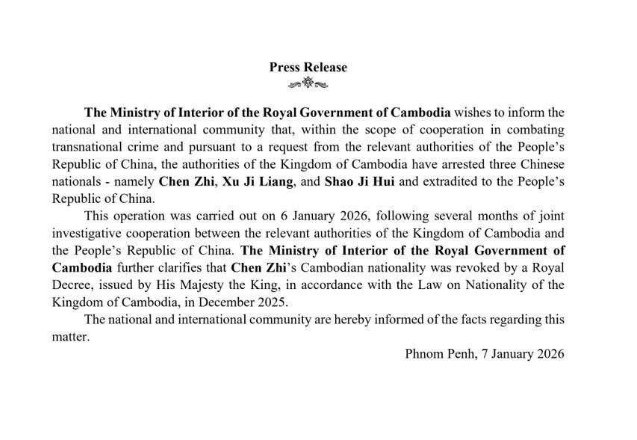
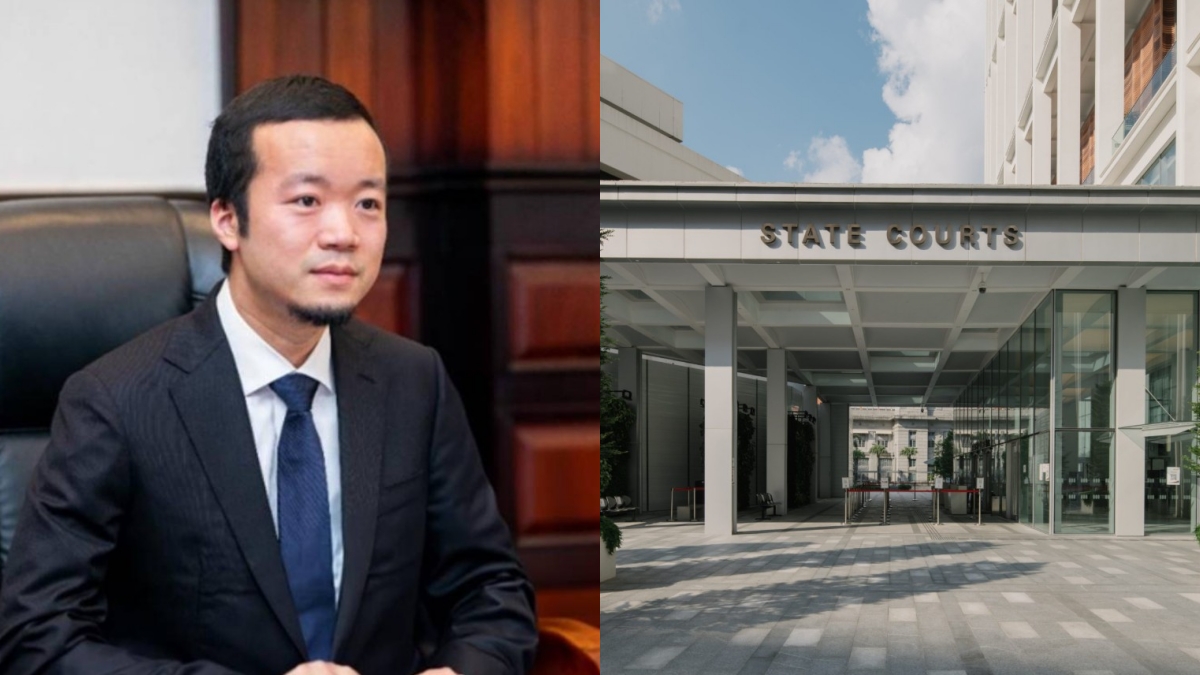
Chen’s detention marks a dramatic fall for one of Cambodia’s most prominent business figures, who has long cultivated an image as a leading entrepreneur and philanthropist within the country’s business community.
In October 2025, the US government accused Chen, the founder and chairman of Prince Holding Group, of masterminding a massive cryptocurrency scam linked to forced labour camps operating in Southeast Asia.
According to US authorities, Chen was charged in absentia with wire fraud conspiracy and money laundering, alongside unnamed co-conspirators, for allegedly exploiting trafficked workers to defraud investors worldwide.
Prosecutors alleged that proceeds from the scams were used to purchase luxury assets, including yachts, private jets and a Picasso painting, highlighting the scale of the alleged operation.
More than US$14 billion worth of bitcoin was seized during the investigation. FBI director Kash Patel described the case at the time as “one of the largest financial fraud takedowns in history”, according to US statements.
Chen’s business empire was also targeted by coordinated sanctions imposed by US and UK authorities, who described Prince Holding Group as part of a “transnational criminal organisation”.
Prince Holding Group is one of Cambodia’s largest conglomerates, with interests spanning real estate, financial services and consumer businesses.
Its key subsidiaries include Prince Real Estate Group, Prince Huan Yu Real Estate Group and Prince Bank, which have played a visible role in Cambodia’s rapid urban development over the past decade.
The group has claimed to oversee more than US$2 billion worth of development projects in Cambodia, including Prince Plaza, a large shopping mall located in the capital, Phnom Penh.
Founded in 2015, Prince Group has expanded into a multinational conglomerate with operations in more than 30 countries, according to public statements by the company.
Despite its public branding as a diversified business empire, US indictments allege the group functioned as one of Asia’s largest organised scam networks, generating illicit profits through online fraud and forced labour.
Media reports state that Chen was born in China and later obtained Cambodian and British citizenship, allowing him to operate across jurisdictions and cultivate close ties within Cambodia’s political and business elite.
On its website, Prince Holding Group has described Chen as a “respected entrepreneur and renowned philanthropist within the Cambodian business community”.
The company has said Chen participates in charitable initiatives through its philanthropic arm, Prince Foundation, which supports education, healthcare and disaster relief projects.
Chen has also served as an adviser to Prime Minister Hun Manet and his father, former prime minister Hun Sen, reflecting his influence within Cambodia’s political establishment.
He holds the honorific title “Neak Oknha”, a prestigious royal designation granted to wealthy business figures recognised for economic contributions and philanthropy.
The extradition raises questions about how Chinese authorities will proceed with prosecution, particularly given the parallel investigations and charges previously announced by the United States.
China has in recent years intensified cooperation with Southeast Asian governments to dismantle online scam centres, many of which rely on trafficked workers from across the region.