Indonesia’s anti-graft agency investigates alleged corruption in Whoosh high-speed rail project
Indonesia’s Corruption Eradication Commission (KPK) has launched an investigation into alleged corruption in the Whoosh high-speed rail project, following claims of cost inflation and financial irregularities. The probe remains in its early stages as KPK gathers information from multiple agencies.
- Indonesia’s Corruption Eradication Commission (KPK) is investigating alleged corruption in the Whoosh high-speed rail project linking Jakarta and Bandung.
- The investigation follows claims by former minister Mahfud MD that project costs were inflated compared with similar lines in China.
- KPK has confirmed the probe is ongoing, collecting data from various institutions but has not yet named suspects.
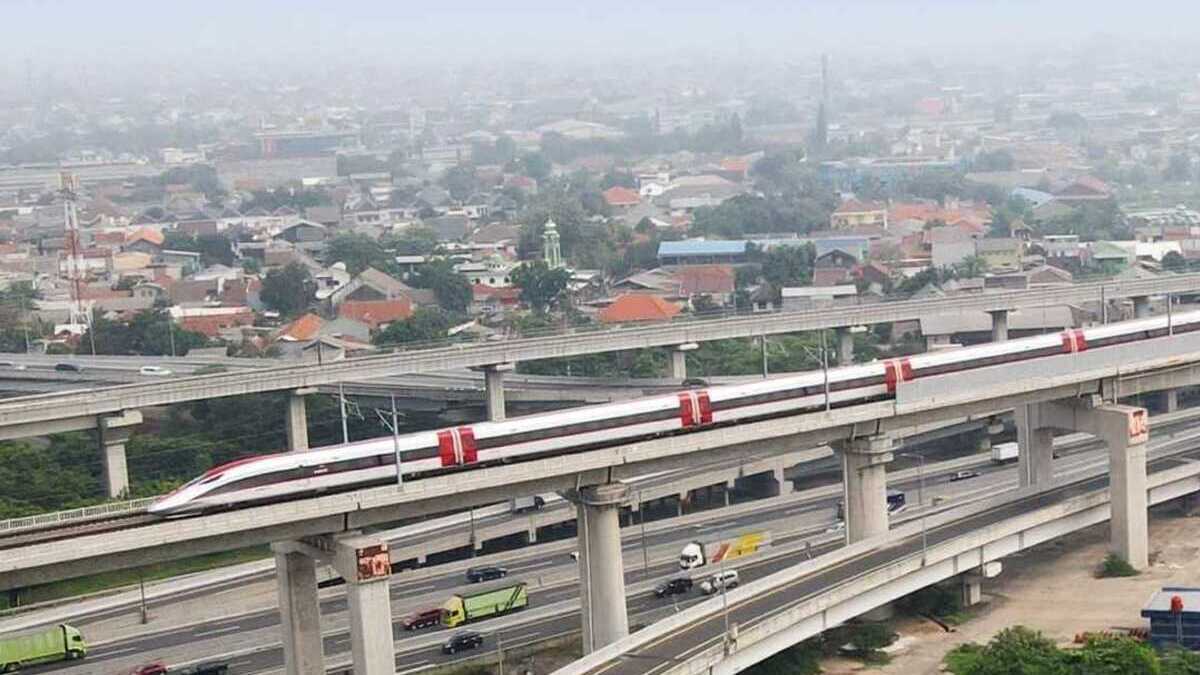
Indonesia’s Corruption Eradication Commission (KPK) has opened an investigation into alleged corruption linked to the Whoosh high-speed rail (HSR) project, the country’s first such system and Southeast Asia’s only operational HSR line.
The 142km Jakarta–Bandung route, launched commercially in 2023, carries between 20,000 and 30,000 passengers daily. The project cost about US$7.3 billion, around three quarters of which was financed through loans from the China Development Bank.
KPK spokesperson Budi Prasetyo confirmed on 27 October that investigators have been collecting data and building a case file since early 2025. “Our probe has been ongoing since the beginning of this year, and we are still gathering the necessary information to uncover the case,” Budi said, as reported by The Jakarta Post.
He added that KPK is not yet able to disclose the scope of the investigation or identify potential suspects, noting that the agency is currently focused on data validation and coordination with other institutions.
According to Tempo.co, the agency’s “case building” process draws from various national bodies, including law enforcement authorities and financial regulators such as the Financial Transaction Reports and Analysis Center (PPATK) and the Financial Services Authority (OJK). Budi urged individuals or organisations with relevant information to come forward, stating that such input could strengthen the investigation.
Acting Deputy for Enforcement and Execution at KPK, Asep Guntur Rahayu, confirmed that the case has formally entered the investigative stage. “We are still delving into the modus operandi,” he told Tempo on Monday, declining to elaborate on the specific corruption allegations under review.
Allegations of cost inflation
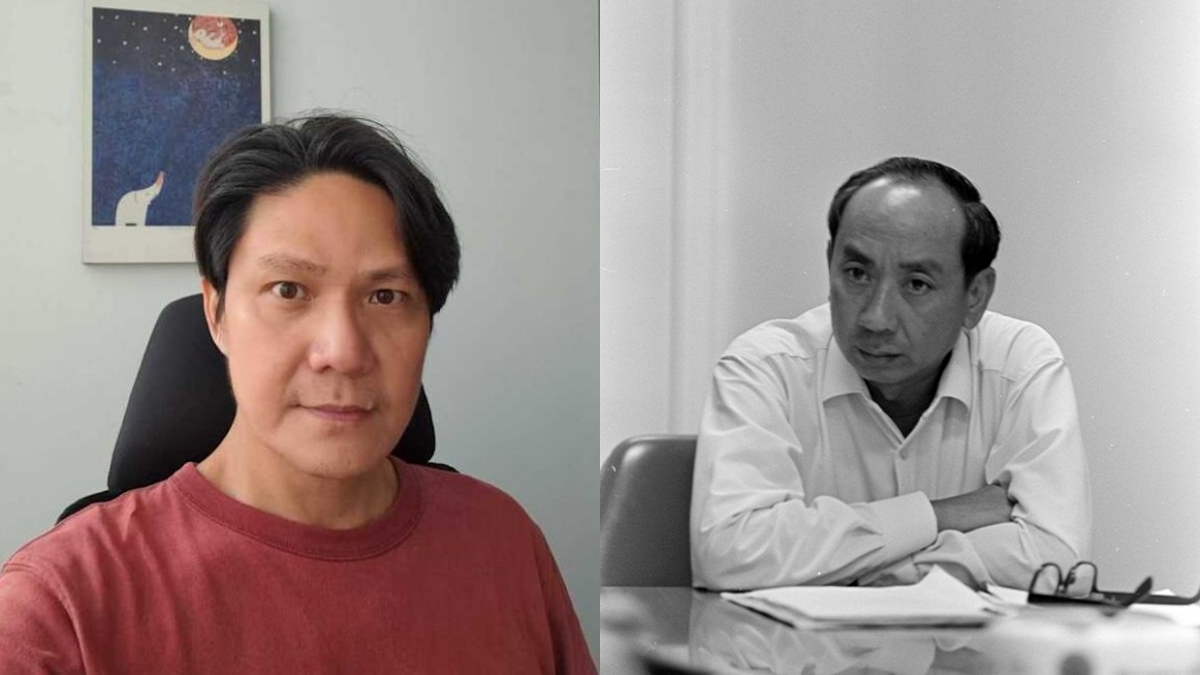
The issue gained national attention after former Coordinating Minister for Political, Legal, and Security Affairs Mahfud MD raised allegations of cost discrepancies in a podcast released on 14 October. Mahfud claimed that the construction cost per kilometre of the Whoosh line reached about US$52 million, significantly higher than China’s own high-speed rail projects, which reportedly cost between US$17 million and US$18 million per kilometre.
“It’s three times higher — who increased it? Where did the money go?” Mahfud asked in his broadcast.
He also questioned the decision to transfer the contract from Japan to China between 2015 and 2016, noting that the financing terms under the Chinese consortium were less favourable. Japan’s proposal, he said, offered an interest rate of 0.1 per cent, while the China Development Bank’s loan carried a 3.4 per cent rate, substantially raising the financial burden on Indonesia.
Mahfud, who ran as a vice-presidential candidate in the 2024 election, urged KPK to investigate the parties involved in the project’s contractual shift.
KPK urges formal cooperation
Responding to the former minister’s remarks, KPK stated that all investigations must follow official procedures and invited Mahfud to submit any documentary evidence or supporting data he possesses. In reply, Mahfud said that under criminal law, law enforcement authorities are obligated to pursue any credible indications of wrongdoing even without a formal complaint.
He further expressed willingness to testify before KPK if summoned. “I am ready to explain everything I know regarding the alleged mark-up,” Mahfud posted on his official X (formerly Twitter) account on 18 October.
Company response and financial exposure
Eva Chairunisa, Corporate Secretary of PT Kereta Cepat Indonesia China (KCIC), the company operating the Whoosh line, stated that KCIC would fully cooperate with KPK’s investigation. “We are committed to transparency and will provide any required documentation,” Eva said in a written statement.
KCIC is a joint venture in which PT Pilar Sinergi BUMN Indonesia, a consortium of Indonesian state-owned enterprises, holds a 60 per cent stake. The company currently carries a debt of approximately US$3.26 billion (around 54 trillion rupiah), with annual interest payments estimated at US$74.5 million (Rp1.2 trillion).
Finance Minister Purbaya Yudhi Sadewa has previously ruled out using the state budget to service the rail project’s debts. He explained that the liabilities are managed through the sovereign wealth fund Danantara and that negotiations with Beijing are ongoing to restructure the China Development Bank loan.
Broader implications
The Whoosh project, once hailed as a symbol of Indonesia’s modernisation and its cooperation with China under the Belt and Road Initiative, has faced financial and operational challenges since inception.
Construction delays, cost overruns, and disagreements over financing terms strained Jakarta–Beijing relations during the project’s early stages. Analysts suggest that the current investigation could affect future infrastructure partnerships if significant irregularities are confirmed.
Public reaction to the KPK’s announcement has been mixed. While some observers welcomed the agency’s proactive stance, others cautioned against politicising the case, especially given its proximity to national elections and lingering sensitivities surrounding Indonesia–China cooperation.
As of late October, KPK has yet to specify the time frame for completing its preliminary inquiry. Officials emphasised that the investigation’s progress would depend on the availability and credibility of evidence.
The Jakarta–Bandung route links four main stations — Halim, Karawang, Padalarang, and Tegalluar — and cuts travel time between the two cities to about 45 minutes. Despite concerns over debt and ticket pricing, daily ridership remains steady, according to operator data.
Observers note that the outcome of the investigation could influence public confidence in Indonesia’s state-owned enterprises and future large-scale infrastructure projects. Transparency advocates have called on both government and corporate stakeholders to publish full details of project finances and contract revisions.
KPK reiterated its commitment to proceed “independently and according to due process.” As Budi Prasetyo stated, “Our priority is to ensure accountability in projects funded by public money. We will act based on verified data, not speculation.”
The agency’s findings, once concluded, are expected to shape policy discussions around procurement, project financing, and Indonesia’s governance of strategic national investments.