Prabowo says Indonesia can handle Sumatra disaster despite international aid offers
President Prabowo Subianto has rejected international assistance for the Sumatra disaster, insisting Indonesia can cope alone, even as local leaders, experts, and survivors report severe shortages, isolation, and slow recovery efforts.
- President Prabowo Subianto says Indonesia is capable of handling the Sumatra floods and landslides without foreign aid.
- Several regional leaders and disaster experts dispute this, citing overwhelmed local governments and slow aid distribution.
- International criticism has grown as victims describe shortages, isolation, and delays in emergency response.
President Prabowo Subianto has reiterated that Indonesia is capable of handling the devastating floods and landslides that have struck parts of Sumatra, despite repeated offers of assistance from foreign governments and mounting criticism from disaster experts and affected communities.
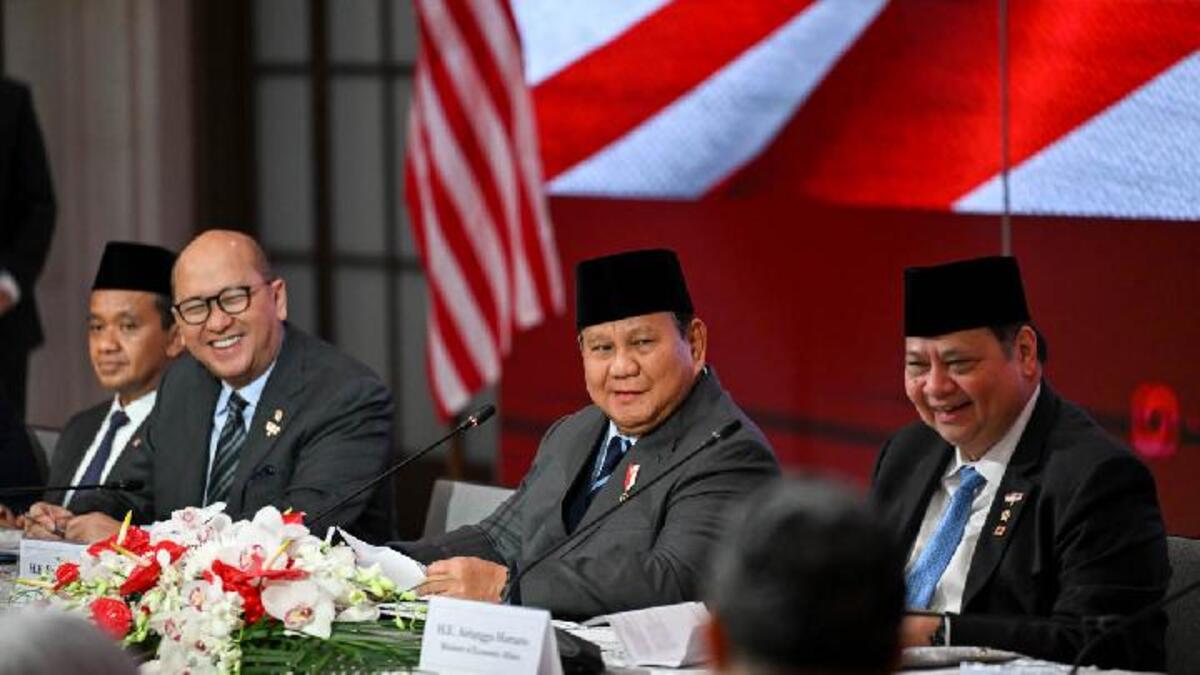
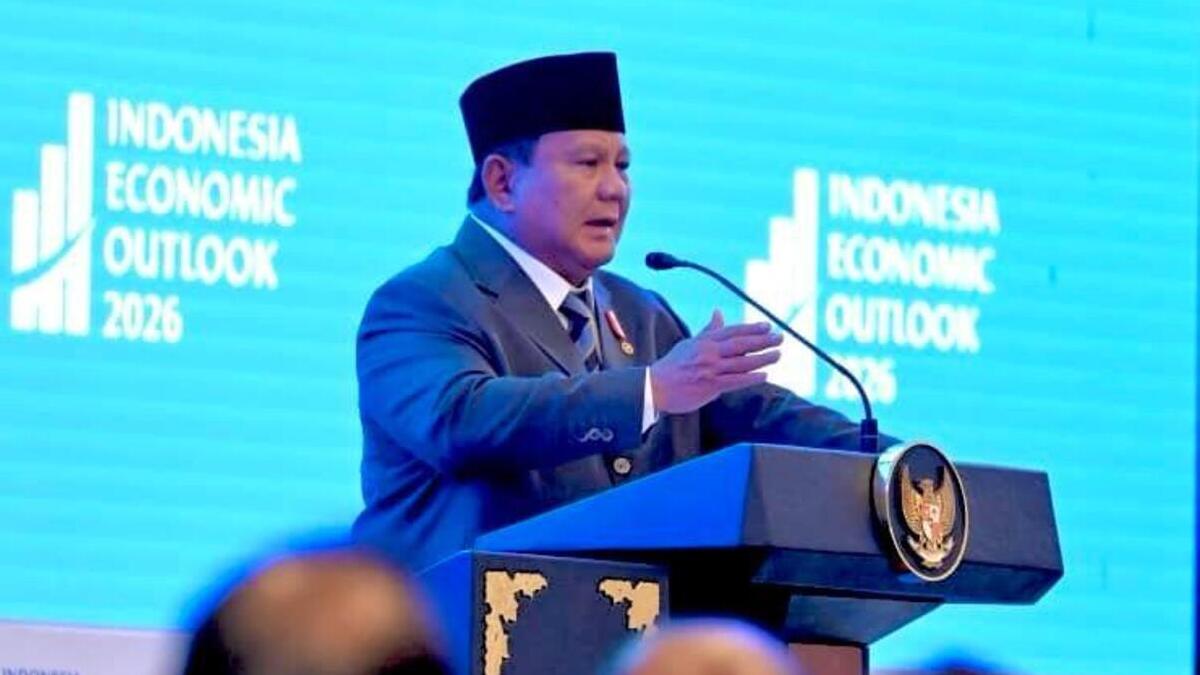
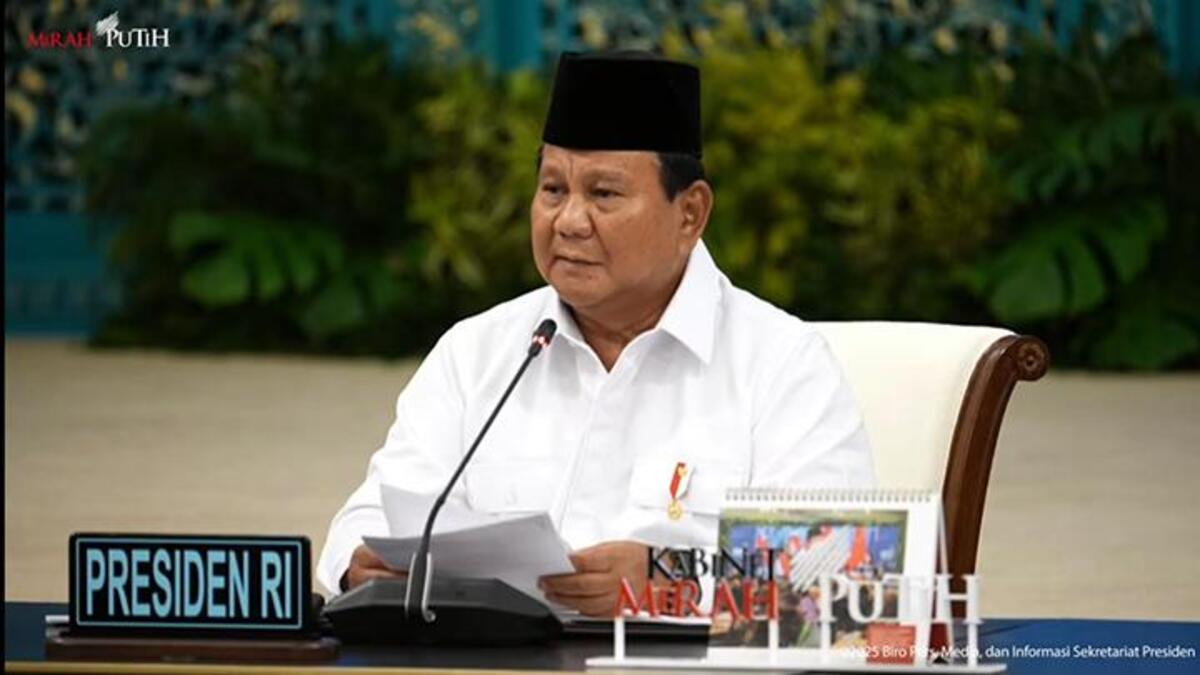
Speaking at a full Cabinet meeting at the State Palace in Central Jakarta on Monday, 15 December 2025, Prabowo said he had been personally contacted by several world leaders offering to send aid, but maintained that the government has the capacity to manage the crisis independently.
“I was called by many world leaders wanting to send aid. I said thank you for your concern. We are capable. Indonesia is capable of handling this,” Prabowo said.
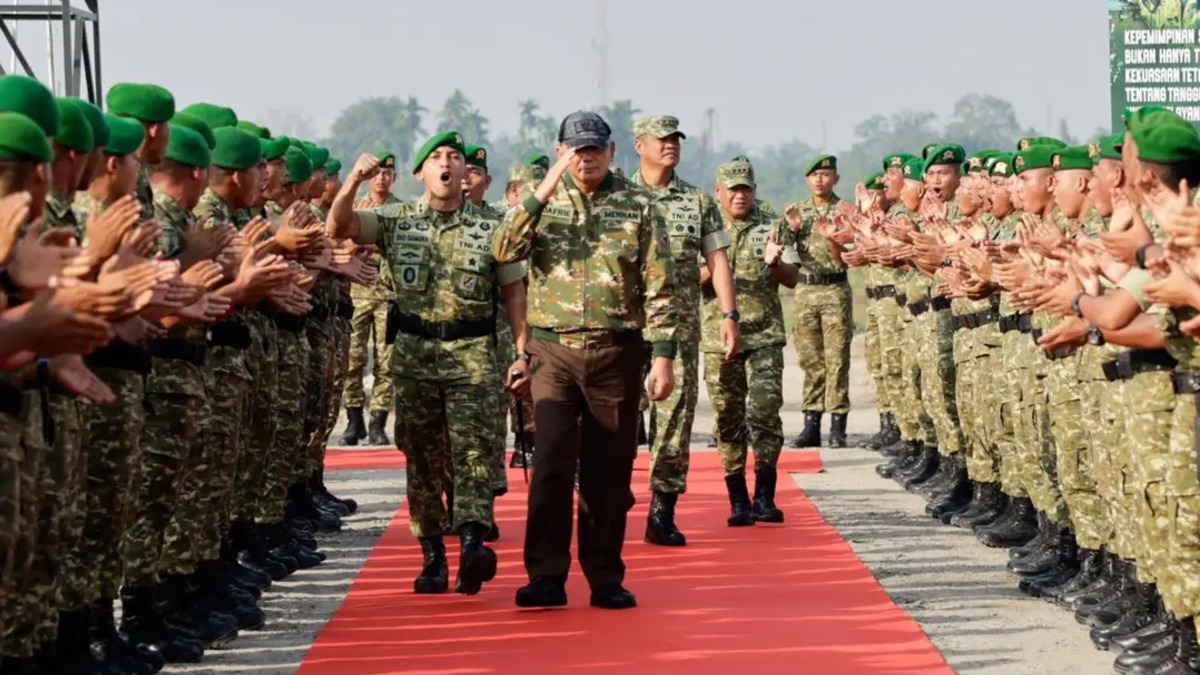
He stressed that disaster response efforts had been mobilised since the outset and praised the Indonesian National Armed Forces (TNI), the National Police (Polri), the National Disaster Management Agency (BNPB) and the Search and Rescue Agency (Basarnas) for acting swiftly without waiting for direct instructions.
According to the president, tens of thousands of personnel and large amounts of equipment have been deployed, including dozens of helicopters and aircraft.
“There are places where fuel is delivered by aircraft every day, using Hercules planes. This can only be done by a strong country,” he said.
During the same meeting, Prabowo suggested that external parties were attempting to sow discord by spreading misinformation about the government’s response.
He claimed there were “foreign forces” unhappy with a strong Indonesia and accusing the government of being absent from disaster management.
“They highlight lies and untruths. They say the government is absent,” he said, adding that such narratives ignored the scale of mobilisation carried out by state institutions.
Prabowo also addressed calls from civil society groups and regional leaders to declare the Sumatra disaster a national emergency. He argued that while the impact was severe, it was limited to three provinces—Aceh, North Sumatra and West Sumatra—out of Indonesia’s 38 provinces.
“Some are clamouring for this to be declared a national disaster. We have already deployed aid. This is three provinces out of 38, so the situation is under control,” he said, adding that he continued to monitor developments closely.
Looking ahead, the president said the government would immediately establish a special agency to oversee post-disaster rehabilitation and reconstruction in Sumatra.
He also announced plans to build both temporary shelters and permanent housing for displaced residents.
Public Works and Public Housing Minister Maruarar Sirait has reported that construction of 2,000 houses will begin this week, with the possibility that the units could directly become permanent homes for disaster victims.
The government’s position has been echoed by senior officials.
State Secretary Prasetyo Hadi said earlier this month that Indonesia still has sufficient capacity, food and fuel reserves, and funding to manage the disaster response.
He said the state budget includes a Rp500 billion ready-to-use disaster fund and that unconventional methods, such as air drops, are being used to overcome logistical challenges caused by damaged roads and collapsed bridges.
Foreign Minister Sugiono also said Indonesia would only seek international assistance if it deemed it necessary, adding that offers from abroad remain on hold for now.
Sumatra floods and landslides kill over 1,030
Meanwhile, the death toll from the disaster continues to rise.
The National Disaster Management Agency (BNPB) has reported that fatalities from floods and landslides in Aceh, North Sumatra and West Sumatra have risen to 1,030 as of Monday, 15 December 2025, up 14 from the previous day.
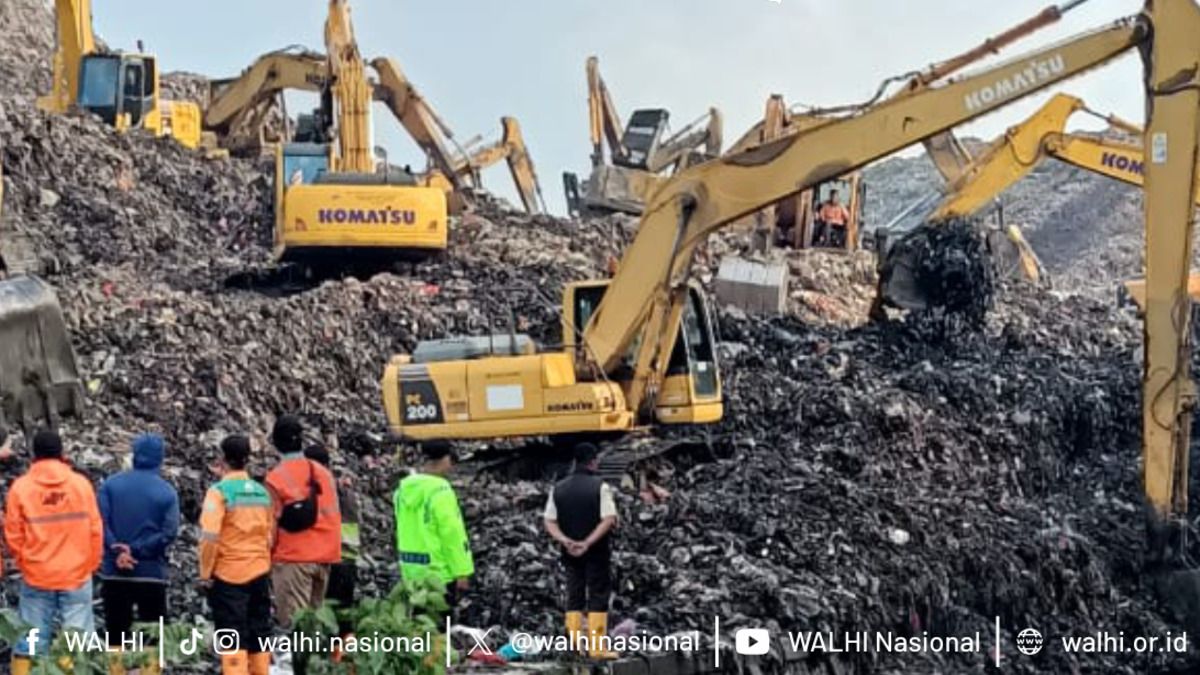
Search and rescue operations remain underway in 13 districts across the three provinces, with 206 people still reported missing. More than 608,000 residents remain displaced, most of them in Aceh, while at least 186,488 houses have been damaged.
Despite government assurances, the refusal to accept international aid has drawn sharp criticism.
BNPB chairman Avianto Amri described the decision as “ignoring the problem or denying reality,” warning that restoring livelihoods and infrastructure would require vast resources.
Local leaders admit limits as disaster response strains capacity
Former Aceh–Nias Reconstruction and Rehabilitation Agency official Teuku Kamaruzzaman estimated that full recovery could take 20 to 30 years if it relied solely on government capacity, and cautioned that the disaster could further deepen poverty in Aceh.
Concerns have also been raised by local governments.
At least seven regents in Aceh have formally declared their inability to manage emergency response efforts, citing the scale of destruction, rising casualties and the number of displaced families.
Home Affairs Minister Tito Karnavian confirmed the statements, saying the regional heads were not giving up but had reached the limits of what they could do.
On the ground, survivors continue to report serious gaps in aid distribution and basic services. In several villages, residents remain isolated due to roads and bridges being buried by mud, rocks and large logs.
Access to clean water and healthcare remains limited, while electricity and telecommunications have yet to be fully restored in some areas. Refugees in parts of Aceh and North Sumatra have complained of slow assistance and shortages of food and medical support.
Fitriana, a resident of Aceh Tamiang whose village was swept away by floodwaters, said she and her family could no longer return home. Traumatized by the disaster, she recalled surviving for days without food or clean water while sheltering on the roof of her house with her young children.
“The stress is overwhelming. This is the worst flood we have ever experienced,” she said.
“We don’t know who to turn to. We beg for help.”
As condolences and offers of assistance continue to come in from countries including Japan, Russia, Saudi Arabia, Iran, the United Kingdom and the United States, the government has maintained its stance that national resources and coordination remain sufficient.
However, as casualties mount and conditions on the ground remain dire in several areas, pressure continues to grow on Jakarta to reassess its position on accepting international support.