M'sia ex-PM Mahathir files police report accusing Anwar of undermining sovereignty through US trade pact
Dr Mahathir Mohamad has lodged a police report accusing Prime Minister Anwar Ibrahim of breaching constitutional limits and jeopardising Malaysia’s sovereignty through the Malaysia–US Reciprocal Trade Agreement (ART), claims the government strongly rejects.
- Dr Mahathir Mohamad has lodged a police report accusing Prime Minister Anwar Ibrahim of undermining Malaysia’s sovereignty through the Malaysia–US Reciprocal Trade Agreement (ART).
- He alleges constitutional breaches, “economic sabotage”, and the surrender of strategic policy powers to the United States.
- Anwar rejects the allegations, saying critics misinterpret the agreement and that Malaysia’s sovereignty, policy space and Bumiputera rights remain protected.
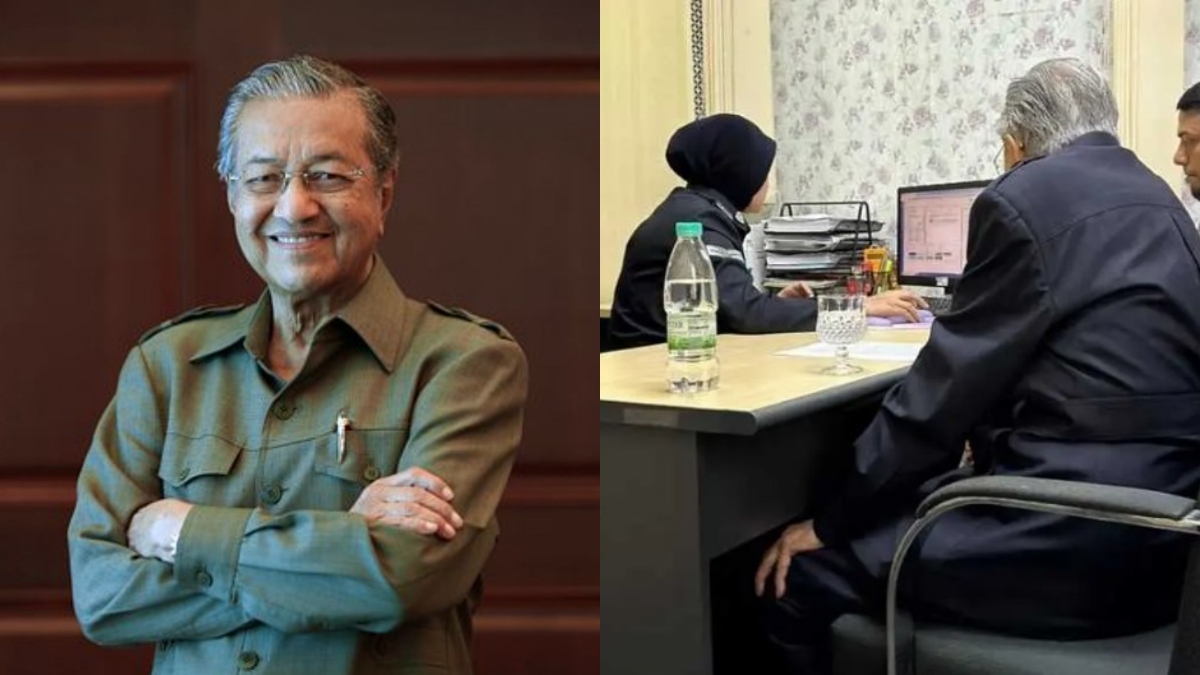
PUTRAJAYA, MALAYSIA: Tun Dr Mahathir Mohamad, former Malaysian Prime Minister, has lodged a police report accusing Prime Minister Anwar Ibrahim of committing “economic sabotage” and undermining Malaysia’s sovereignty through the Malaysia–US Reciprocal Trade Agreement (ART).
According to his statement filed on 2 December 2025 in Putrajaya, Mahathir claims the deal is unconstitutional and places Malaysia’s economic and political autonomy at risk.
The 100-year-old asserted that Anwar “had no right” to sign the agreement, arguing that “one person cannot represent the federation” in a manner that affects national sovereignty.
Mahathir said the accord “effectively hands over the country’s powers to the US”, warning that Malaysia could be “mortgaged to the influence of foreign powers”.
In his report, which he submitted alongside lawyer Rafique Rashid, Mahathir cited alleged breaches under sections 124B, 124C and 124K of the Penal Code concerning sabotage and actions detrimental to parliamentary democracy.
He highlighted four major clauses which, in his view, surrender critical powers.
These include a requirement for Malaysia to follow any US unilateral sanctions and to disclose cross-border data, which he argued could interfere with national regulatory policies.
Mahathir listed 14 potential negative implications, including risks to regulation of the halal industry, Bumiputera economic empowerment strategies, high-tech sector policy autonomy, and control over rare earth elements and other critical minerals.
He said the issues “eliminate Malaysia’s power to determine foreign policy, economic policy and the use of national strategic resources independently and sovereignly”.
Dr M added that investigators should examine possible abuse of power and negligence in decisions involving rare earths and critical minerals.
He said officials from the Ministry of Investment, Trade and Industry, the Attorney-General’s Chambers and other negotiating parties should be questioned.
The report follows Mahathir’s remarks four days earlier, when he argued that Anwar should face treason charges for signing the agreement with US President Donald Trump in October.
Former attorney-general Tommy Thomas echoed parts of Mahathir’s criticism, saying the commitments showed that negotiators “did not negotiate at all”. He alleged that the US presented its draft and that it was “signed lamely by Anwar”.
Investment, Trade and Industry Minister Tengku Zafrul Aziz has dismissed the allegations, saying Malaysia’s sovereignty, economic prosperity and supply chain resilience remain protected.
He also rejected claims that Bumiputera rights would be affected.
He said the agreement specifically preserves Malaysia’s right to pursue “public service obligations” and allows Putrajaya to support state-owned enterprises.
Mahathir had earlier argued that a clause requiring state-owned enterprises to act on commercial considerations would remove Bumiputera protections, a claim the government refutes.
Mahathir said 139 police reports had been filed against the ART to date, underscoring what he described as serious public concern.
Anwar rejects claims that US trade pact compromises sovereignty
On 18 November 2025, Anwar rejected claims that the ART undermines sovereignty, telling the Dewan Rakyat that the allegations were inaccurate.
According to his parliamentary remarks, critics had misunderstood consultation requirements covering rare earth elements, semiconductors and local-currency transactions.
Anwar said the agreement did not prevent Malaysia from partnering with other countries, citing ongoing rare earth collaborations with South Korea and continued arrangements with China.
He explained that the United States required notification on certain rare earth-related developments, and Malaysia had complied transparently while also informing China of its engagements.
Anwar added that global tariff pressures shaped the context of the agreement and insisted that Malaysia’s “independence or dignity” remained intact, with policy practice showing the country continued to exercise strategic autonomy.