Najib Razak sentenced to 15 years and fined RM13.4 billion in 1MDB corruption case
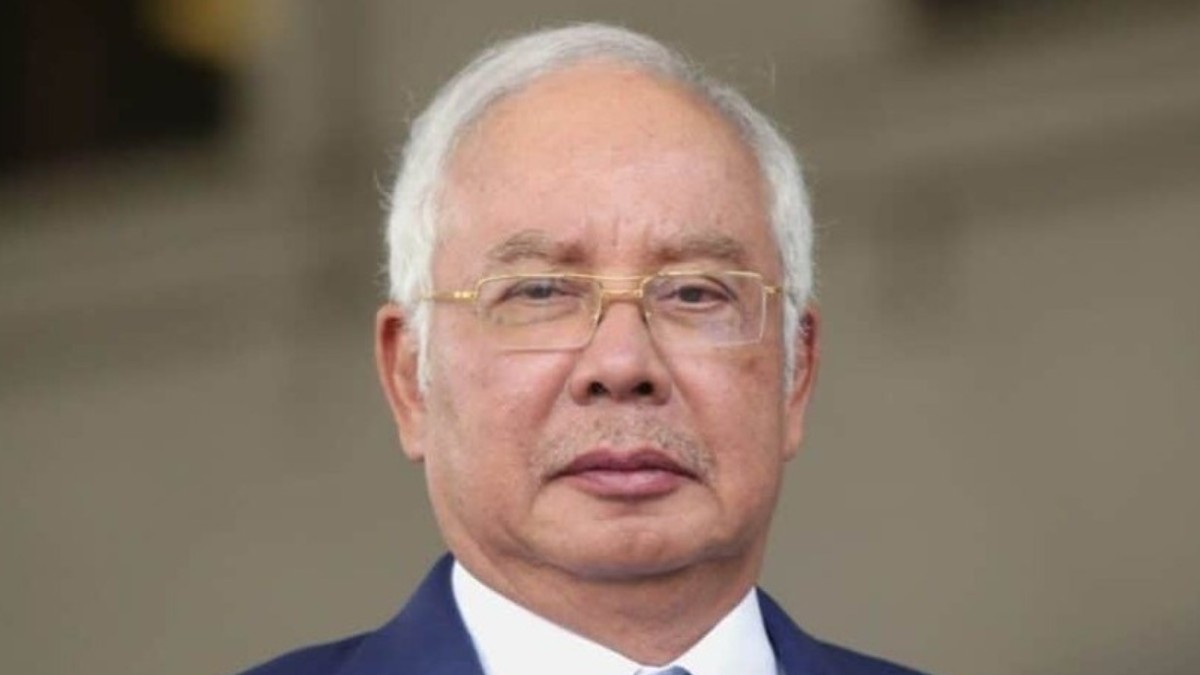
Former Malaysian Prime Minister Najib Razak has been sentenced to 15 years in prison and fined RM13.4 billion for abuse of power and money laundering in connection with the 1MDB scandal, marking the most significant conviction in the country’s largest corruption case to date.
- Najib Razak convicted on 25 charges in the largest 1MDB corruption trial and sentenced to 15 years in prison.
- RM13.4 billion (approx. US$2.8 billion) fine imposed, with an additional 40 years in jail if unpaid.
- Federal Court found Najib knowingly abused power and conspired with fugitive financier Jho Low.
Former Malaysian Prime Minister Najib Razak was sentenced on 26 December 2025 to 15 years’ imprisonment and fined RM13.4 billion in connection with the misappropriation of RM2.3 billion from 1Malaysia Development Berhad (1MDB).
The decision, delivered by Federal Court judge Collin Lawrence Sequerah, followed Najib’s conviction on four counts of abuse of power and 21 counts of money laundering. It marks the most substantial ruling yet in Malaysia’s years-long pursuit of accountability over the 1MDB scandal.
The court ordered the prison sentence to run consecutively to Najib’s existing sentence from the SRC International case, where he is already serving a six-year term. Should the fine remain unpaid, Najib will face an additional 40 years in jail.
Sequerah ruled that Najib’s actions were premeditated and orchestrated, rejecting arguments that the former leader had been misled by subordinates or financier Low Taek Jho (Jho Low).
The judge described Najib as the “apex decision maker” in 1MDB, having held simultaneous roles as prime minister, finance minister, and chair of the fund’s advisory board.
According to the court, Low acted as Najib’s “unofficial adviser” and was central to executing directives. Evidence included photographs of family holidays and testimony from 1MDB officials, linking Low's actions directly to Najib’s authority.
Sequerah said Najib's failure to act on known discrepancies, including the lack of police reports or internal action, amounted to wilful neglect or condonation. He pointed to Najib's dismissal of a special task force probing the scandal in 2015 as indicative of attempts to suppress scrutiny.
Najib’s defence relied heavily on letters purporting to show that the billions received were donations from the Saudi royal family. However, the court found these letters to be forgeries, noting they were never produced in original form and lacked credible links to any Saudi entity.
“There was no acknowledgement sent to the alleged donor, nor any record in Cabinet minutes,” Sequerah stated. “To believe such a narrative is to stretch the imagination into the realms of pure fantasy”.
Testimonies from former 1MDB officials including Shahrol Azral Ibrahim Halmi, Mohd Hazem Abdul Rahman, and Azmi Tahir, established that Low’s instructions were treated as equivalent to Najib’s within the fund’s operational structure.
The judge further noted that emails and talking points prepared by Low were found to be central to 1MDB’s decision-making.
The Federal Court also highlighted the international dimension of the 1MDB scandal, with investigations and prosecutions having occurred in multiple jurisdictions, including the United States.
Najib’s counsel, Muhammad Shafee Abdullah, confirmed that an appeal will be filed. The defence argued for leniency, citing Najib’s age, health, and prior public service. However, the prosecution urged consecutive sentencing, stressing the massive loss to national finances.
Lead prosecutor Ahmad Akram Gharib sought maximum penalties, calling for deterrence in light of the systemic corruption exposed by the case. Deputy Public Prosecutor Kamal Baharin Omar echoed the call, arguing the damage caused by 1MDB had enduring consequences for Malaysia’s public trust and financial reputation.
The proceedings lasted nearly 11 hours, beginning at 9am and concluding after 8pm. Sentencing was handed down late in the evening, following hours of exchanges between the defence and prosecution teams.
Najib, now 72, was first charged in 2018 after his political coalition lost power in the general election. The 1MDB trial, which began in 2019 and spanned 303 hearing days, represents the last and most consequential of five criminal trials he faced.
His request earlier in the week to serve the remainder of his sentence under house arrest was dismissed. Najib remains incarcerated at Kajang Prison.
The 1MDB affair, involving over US$4.5 billion embezzled from a state fund, is widely regarded as one of the largest global corruption scandals in modern history. It led to sweeping political changes in Malaysia and drew scrutiny from financial regulators worldwide.
This latest ruling could carry significant political ramifications, as Najib still holds influence within his United Malays National Organisation (UMNO), a key component of Prime Minister Anwar Ibrahim’s ruling coalition.
Some UMNO leaders have already voiced discontent over the judicial outcome. Tensions may further strain the coalition, which has faced pressure from both internal and external forces following acquittals and appeals involving Najib’s family members.