Students can contact parents via school offices despite stricter smartphone ban, says Jasmin Lau
Secondary school students do not need mobile phones for urgent communication with their parents, as schools’ general offices can relay messages and provide phone access, Minister of State Jasmin Lau said. She said parents are largely supportive and MOE guidelines aim to ensure enforcement does not add to teachers’ workload.

- Parents can contact schools’ general offices for urgent messages under stricter phone rules.
- Secondary students are barred from using smartphones outside lesson time from January 2026.
- Singapore is studying overseas approaches, including Australia’s social media age limits.
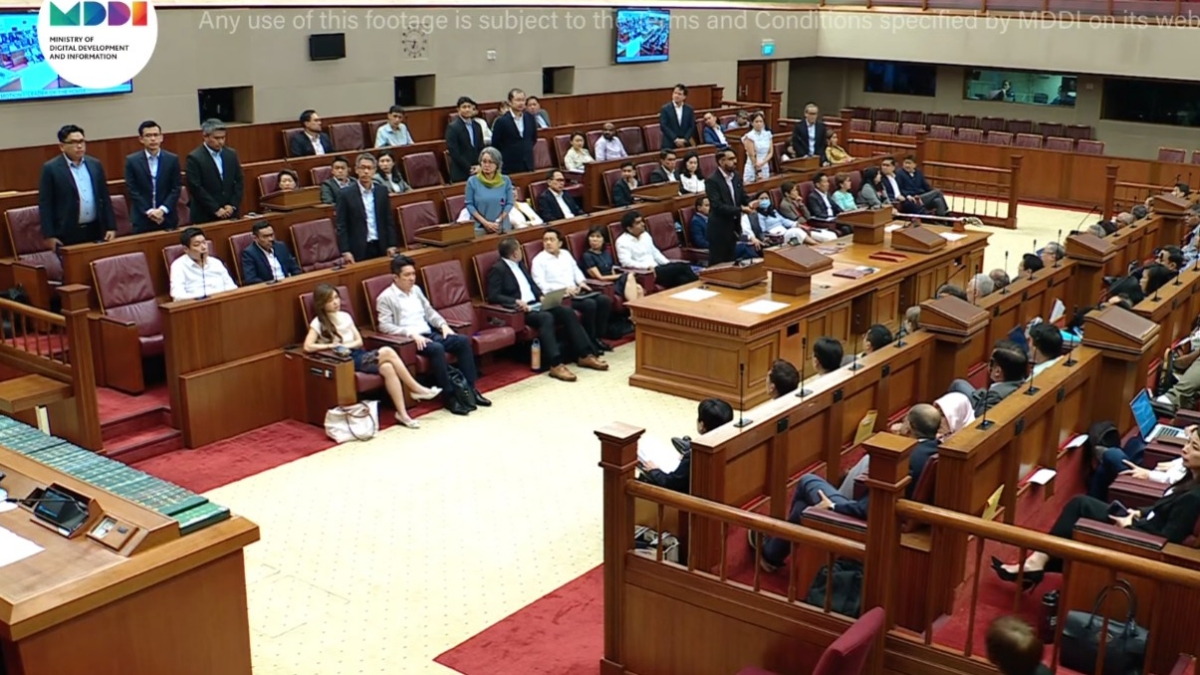
SINGAPORE: Students do not need to own or use mobile phones to communicate urgently with their parents, Minister of State for Education and Digital Development Jasmin Lau said on 13 January 2026.
Responding to a parliamentary question, she said parents with urgent messages can contact a school’s general office, while students can also use phones available there to call home.
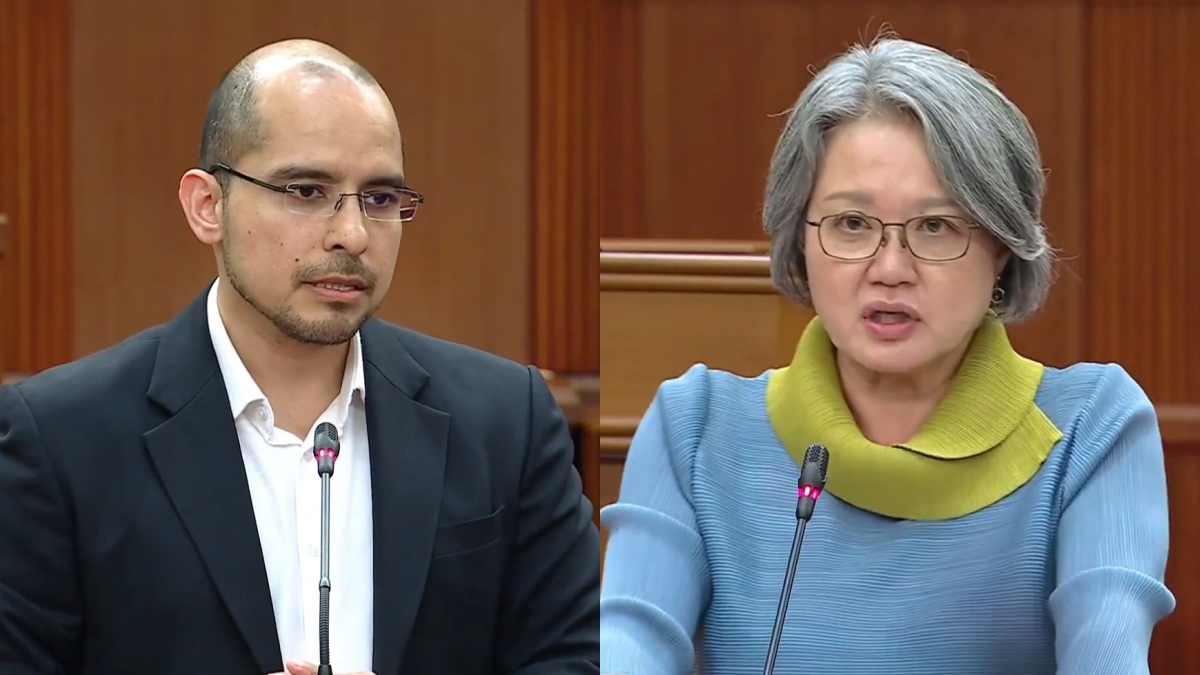
Her comments were made in response to Sembawang West MP Poh Li San, who asked how parents could reach their children in emergencies following tighter phone-use guidelines in schools.
The new rules, which took effect in January, prohibit secondary school students from using smartphones and smartwatches outside lesson time, including during recess and co-curricular activities.
Previously, restrictions applied mainly during curriculum hours, with some schools allowing phone use during breaks, according to the Ministry of Education (MOE).
MOE said the revised guidelines aim to reduce distractions, promote healthier digital habits and encourage more face-to-face interaction among students.
The ministry added that schools which adopted the rules earlier reported improved focus and better student well-being, according to feedback shared publicly.
Ms Lau told Parliament that one week into the ban, parents have been largely supportive of the move, although views from the ground remain mixed.
Addressing concerns about enforcement, Poh asked how MOE would ensure teachers are not burdened with additional workload.
Ms Lau said MOE provides schools with guidelines to formulate discipline policies and school rules based on their student profiles and needs.
Existing disciplinary policies for managing smartphone use during lessons remain in place alongside the stricter rules, she added.
“Some schools still have questions about implementing the guidelines, and MOE is engaging them and their leaders,” she said.
She added that the ministry is mindful that the ban should improve the overall experience of both teachers and students in schools.
Under MOE guidelines, students’ devices must be kept in designated storage areas, such as lockers, or remain in their bags during school hours.
Some schools have chosen to introduce dedicated mobile phone lockers as part of their implementation approach.
Ms Lau noted that feedback from parents has been mostly supportive, even as schools adjust to the new requirements.
Singapore studies Australia’s social media age rules as child online safeguards expand
Separately, Parliament also discussed broader measures to protect children online, including social media access and age verification.
Responding to another question, Minister of State for Digital Development and Information Rahayu Mahzam said Singapore is studying Australia’s new minimum age regulations for social media.
She was replying to Sembawang GRC MP Vikram Nair, who asked about Singapore’s approach to restricting children’s access to harmful online content.
Rahayu said the Ministry of Digital Development and Information has introduced age assurance requirements for designated app stores.
These requirements are set to be implemented by 31 March 2026, she said, with plans to extend similar measures to social media services.
She added that the Government is assessing challenges observed overseas, including circumvention methods such as the use of virtual private networks.
The approach in Singapore is multi-pronged, she said, covering screen time management, harmful content, online behaviour and parental support.
Vikram said age assurance methods requiring companies to restrict access to inappropriate content are a positive first step.
However, he argued that Australia’s approach of placing clear responsibility on social media companies to verify users’ ages “sets a clear line”.
In response, Rahayu said such bans are not a “silver bullet”, noting that many children in Australia have found workarounds.
These include using adult accounts to access social media platforms, she said.
Rahayu added that Singapore has been actively studying developments in Australia and is working on additional regulations to strengthen online safety.
The parliamentary exchanges came as schools and parents continue to adapt to the new smartphone restrictions in secondary schools.
MOE has said it will continue engaging schools and stakeholders as the policies are rolled out nationwide.