Singapore to recognise chess, bridge and e-sports as sports under amended Sports Council Act
Singapore will formally recognise e-sports and mind sports such as chess and bridge after Parliament passed amendments to the Singapore Sports Council Act, expanding SportSG’s mandate while adopting a calibrated approach to funding, governance standards and inclusivity nationwide sporting ecosystem.
- Mind sports and e-sports are now formally recognised, with support calibrated by SportSG based on governance and national priorities.
- The Bill expands SportSG’s role in athlete development, institutional consolidation, and raising industry standards.
- The Government said recognition will not mean automatic equal funding, with resources allocated prudently and private support encouraged.
SINGAPORE: Mind sports such as chess and bridge, along with e-sports, will be formally recognised as sports in Singapore following the passage of a Bill in Parliament on Wednesday (14 Jan).
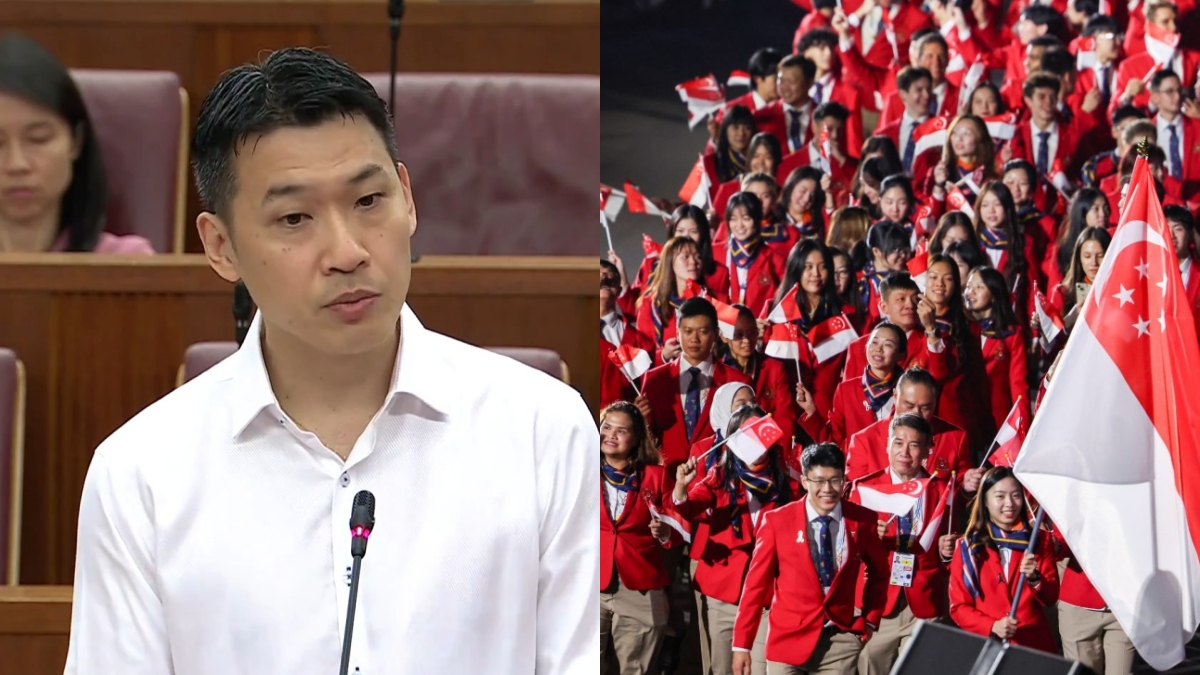
The amendments to the Singapore Sports Council Act are intended to “support Singaporeans’ diverse sporting aspirations”, Acting Minister for Culture, Community and Youth David Neo said.
Noting that the nature of these activities continues to evolve, Neo said the updated definition of sport adopts a “balanced and future-ready approach” to accommodate newer and more varied forms of sporting participation and excellence.
He added that Sport Singapore (SportSG) will calibrate its support for mind sports and e-sports based on their specific needs, governance standards and contributions to national sporting objectives, rather than adopting a one-size-fits-all approach.
Growing popularity of e-sports and mind sports
Both e-sports and mind sports have seen a surge in interest in Singapore in recent years.
Singapore has hosted several major international e-sports events, including The International 2022, the world’s largest Dota 2 tournament, becoming the first Southeast Asian country to do so.
In 2023, the Republic also hosted the inaugural Olympic Esports Week.
Neo highlighted that Southeast Asia is among the fastest-growing e-sports markets globally, adding that this year’s Asian Games will feature 11 e-sports medal events, up from seven at the previous edition.
Mind sports have similarly gained traction. At the youth level, participation in chess has risen significantly, with 1,606 players competing in the 75th National Schools Individual Chess Championship in 2024 — nearly 20 per cent more than in 2022.
Singapore also hosted the World Chess Championship for the first time in 2024.
Enhanced mandate for SportSG
Beyond the recognition of new sports, the Bill also expands SportSG’s mandate to provide more holistic education and career support for national athletes.
This includes the authority to establish institutions to develop and train athletes, oversee their sporting activities, and work with the Ministry of Education on the Singapore Sports School’s academic curriculum.
The amendments also allow for the consolidation of the Singapore Sports School and the High Performance Sports Institute into a single institution, as announced last year.
Neo said this move would strengthen Singapore’s high-performance sports system and better position the country for future major events, particularly when it hosts the SEA Games and ASEAN Para Games in 2029.
Raising standards and strengthening inclusivity
The Bill further recognises SportSG’s role in uplifting standards and safety across the sports sector, including the establishment of quality standards and codes of practice for coaching, equipment, facilities and accreditation systems.
“With the growth in national participation in sports and physical fitness activities, we need to strengthen SportSG’s mandate to build capabilities in the sports industry,” Neo said, stressing that the agency would continue to lead through the promotion of industry best practices rather than regulatory enforcement.
Another change will see the Singapore National Paralympic Council (SNPC) formally named as one of SportSG’s key partners, alongside the Singapore National Olympic Council.
Neo said this reflects a broader effort to strengthen disability sports and promote greater inclusivity.
Describing the Bill as an “important enabler”, he said it reinforces the vision of a sporting ecosystem that is inclusive, dynamic and future-ready, and reaffirms that sport is for everyone, regardless of age or ability.
MPs question funding and support
During the debate, Members of Parliament raised questions about funding levels and how support would be extended to chess and e-sports.
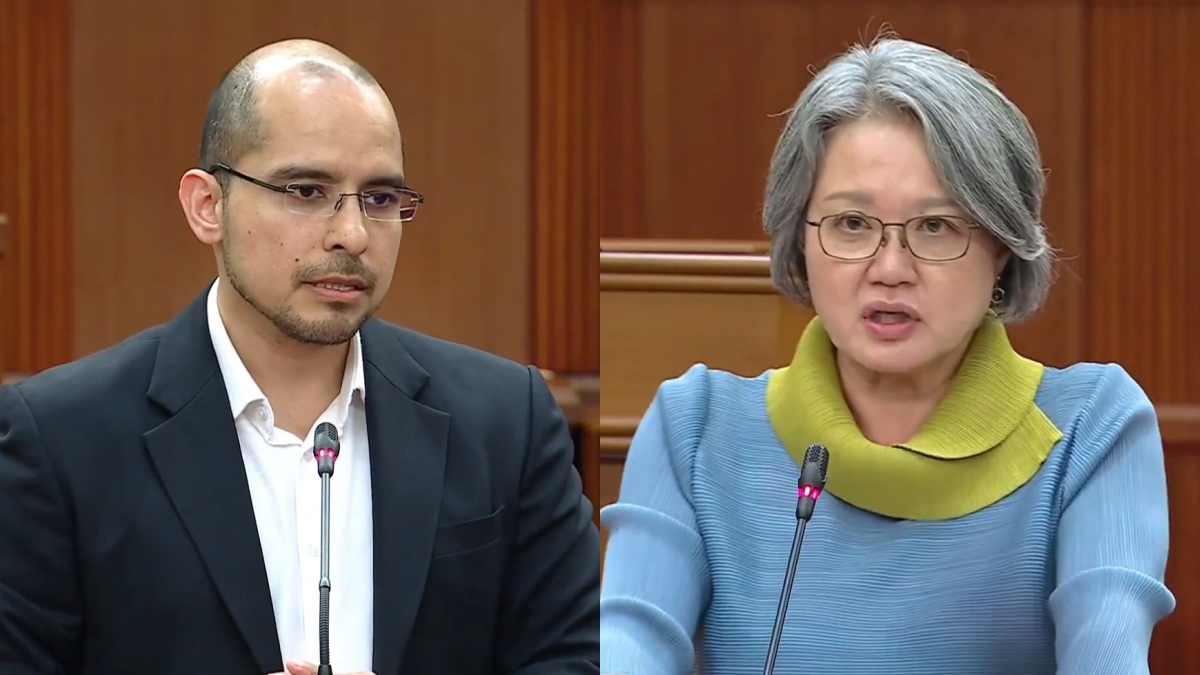
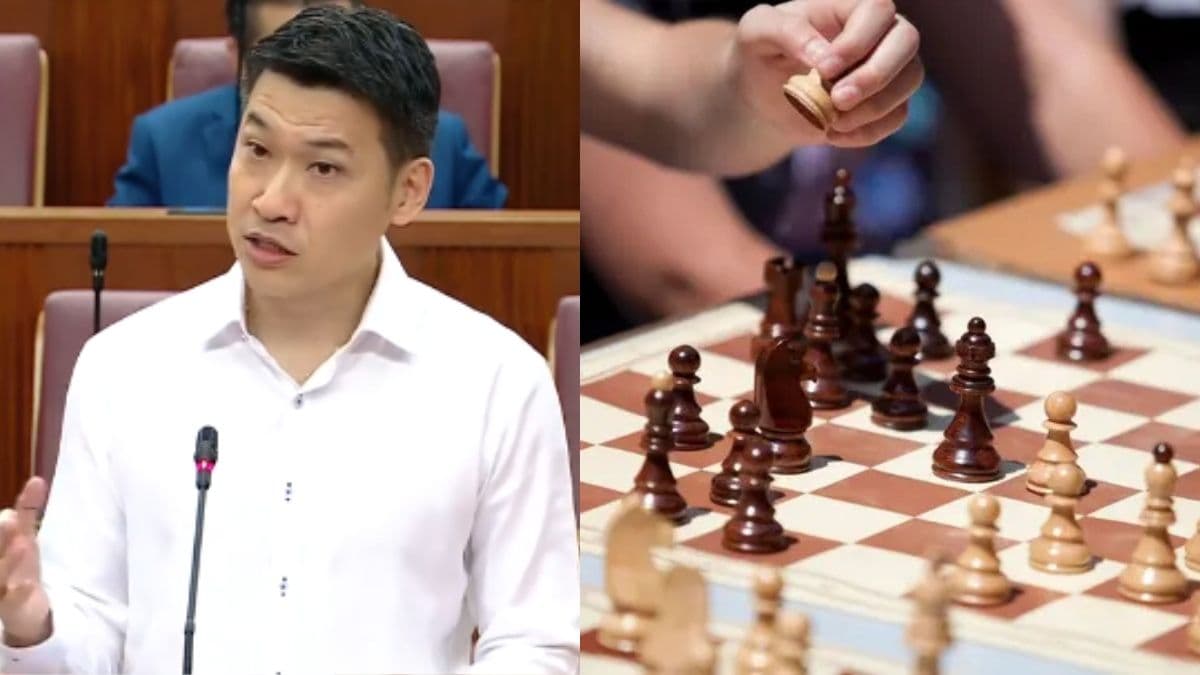
WP MP Fadli Fawzi said there was a need for a sustainable model in which the state acts as a facilitator rather than the sole funder, encouraging private sector investment in local sporting talent.
He also asked whether SportSG’s budget would be increased, warning that stagnant funding could dilute support for traditional sports such as athletics or swimming.
PAP MP Elysa Chen sought clarification on whether chess and e-sports athletes would enjoy the same access to funding, facilities and national representation pathways as athletes in more established sports.
PAP MP Alex Yam, who chairs the Government Parliamentary Committee for Culture, Community and Youth, said the Bill’s careful calibration means that recognition does not automatically translate into equal funding or blanket support.
He noted that SportSG retains discretion to assess governance standards, athlete pathways and alignment with national objectives, adding that inclusivity must be balanced with prudent stewardship of public resources.
Government reiterates calibrated approach
Neo reiterated that support for different sports is regularly reviewed and calibrated based on multiple factors.
He said SportSG would continue engaging national sports associations and partners such as the Singapore National Olympic Council and the Singapore National Paralympic Council to align efforts in uplifting Singapore’s sports ecosystem.
Neo also encouraged corporate entities to play a greater role in supporting athletes, adding that government funding should be complemented by private sector contributions to build a more vibrant and diverse sporting landscape.