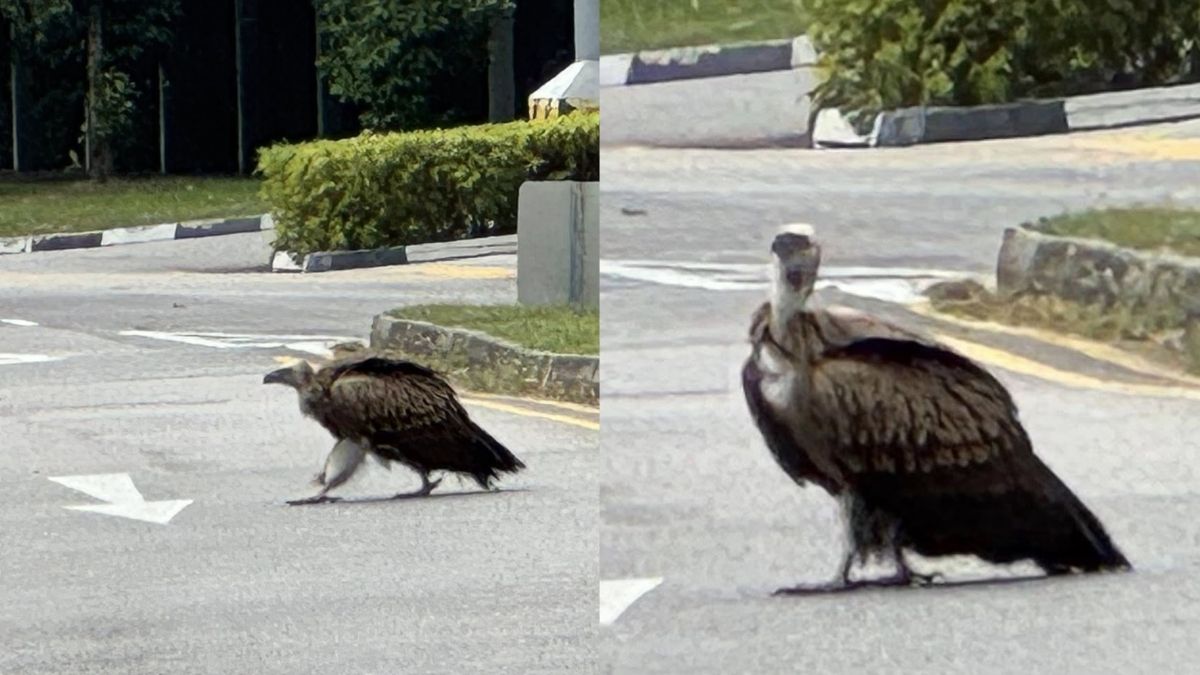
ACRES confirms Himalayan vulture earlier rescued dies after rapid deterioration in condition
A Himalayan vulture rescued by ACRES died on 15 January due to acute intoxication linked to pre-existing health issues, marking the second such death in Singapore this month after another bird rescued by NParks was euthanised following a decline in health.
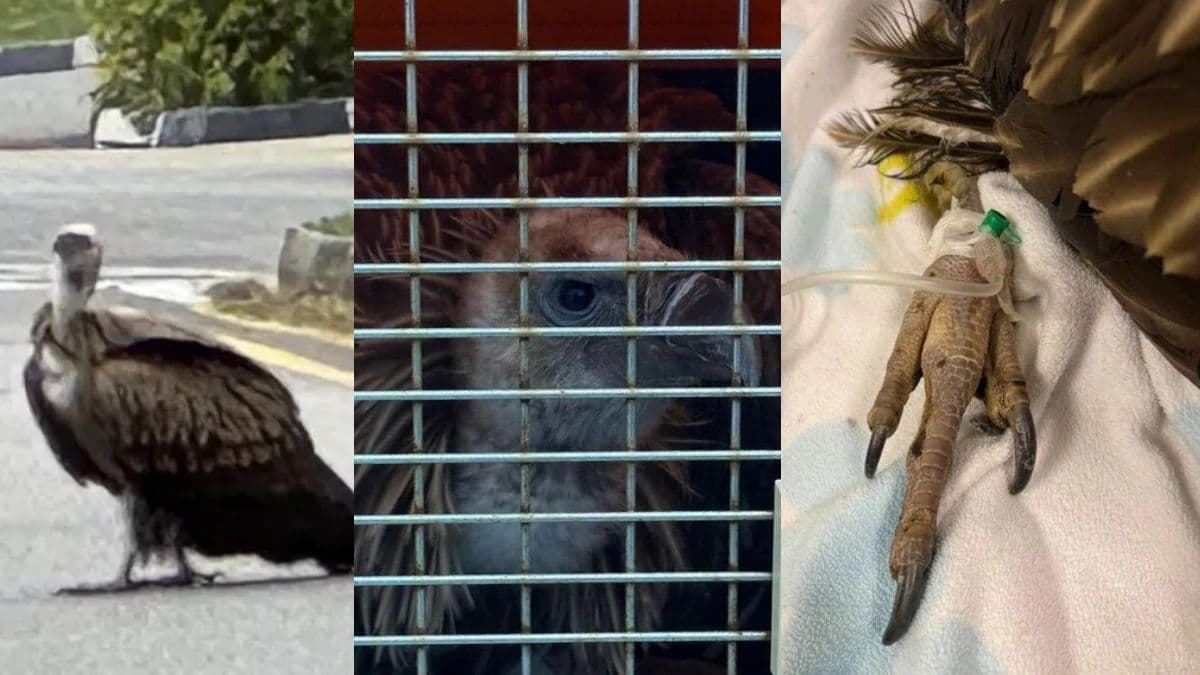
- A Himalayan vulture rescued by ACRES died on 15 January from acute intoxication linked to pre-existing health issues.
- The bird showed initial improvement but deteriorated rapidly and died despite emergency care.
SINGAPORE: A Himalayan vulture rescued by the Animal Concerns Research and Education Society (ACRES) has died, marking the second death of the rare migratory bird in Singapore this month.
ACRES confirmed on Monday (19 Jan) that the vulture passed away on 15 January, just days after another Himalayan vulture rescued by the National Parks Board (NParks) was euthanised due to declining health.
ACRES chief executive officer Kalai Vanan Balakrishnan said a post-mortem examination showed that the bird died from acute intoxication linked to pre-existing kidney and gastrointestinal problems, which were exacerbated by stress and exhaustion.
The carcass has since been transferred to the Lee Kong Chian Natural History Museum, he added.
The vulture was rescued by ACRES on 11 January after being spotted along the East Coast Parkway.
Kalai said the animal initially showed signs of improvement during treatment.
“While he was being attended to indoors, we were separately preparing our outdoor cage for him as well, as it can be stressful for such a large bird to be confined indoors,” he said.
However, the bird’s condition deteriorated rapidly.
“Sadly, his condition took a sudden turn for the worse and deteriorated quickly over a 12-hour period on 15 January. "
"Our vet team responded immediately with emergency care, but the vulture passed away close to midnight while attempts were being made to stabilise him,” Kalai said.
Another Himalayan vulture rescued by NParks had been put down on 7 January after its health worsened.
Its carcass was also transferred to the Lee Kong Chian Natural History Museum, located on the National University of Singapore’s Kent Ridge campus.
About the Himalayan vulture
According to the Bird Society of Singapore, Himalayan vultures are migratory birds typically sighted in the region between late December and early January.
Most sightings in Singapore have occurred in the central and western parts of the island, with fewer records in the north and east.
Native to the Himalayas, northern and north-eastern India, and the Tibetan Plateau, the Himalayan vulture is the second-largest Old World vulture species.
It has a wingspan of between 2.5 and 3 metres and can weigh up to 12kg.
The species is a scavenger that feeds mainly on animal carcasses and plays an important ecological role by helping to clear dead animals.
Younger Himalayan vultures are more likely to be found at lower altitudes and have been recorded across South and Southeast Asia during migration.