Singapore woman loses about US$316K after joining WhatsApp group promoting fake investment app scam
A woman in her 50s lost about S$400,000 after being drawn into a sophisticated investment scam involving a fraudulent mobile app, fake WhatsApp group members and staged “profits”, highlighting the growing threat of app-based investment scams in Singapore.
- The victim was lured through a WhatsApp investment group that appeared legitimate and showed fake profits.
- Scammers convinced her to transfer money digitally and later hand over large sums of cash in person.
- Police warn that even apps available on official app stores can be used to facilitate scams.
SINGAPORE: A woman in Singapore lost about S$400,000 (approximately US$315,718) after she was misled into investing through a fraudulent investment platform, believing she was part of a legitimate stock investment group on WhatsApp.
Ms Lim (not her real name), who is in her 50s, was added to a WhatsApp group chat titled “Lion Capital Circle” in August 2025.
Members of the group regularly shared screenshots and messages claiming they had earned substantial profits through a stock investment app. Some also posted daily investment tips, creating the impression of a knowledgeable and active investor community.
According to local media reports, Ms Lim said she did not initially suspect anything amiss, as she had contacted the customer service of a legitimate investment platform around the same time.
Many group members also used local Singapore mobile numbers, which further reassured her.
Professional-Looking App Raised No Red Flags
The scammers instructed her to download an investment app from the Apple Store, which she described as professional-looking and convincing.
They claimed the platform was linked to a legitimate Hong Kong-based investment company. After creating an account, Ms Lim made an initial deposit of S$3,000 (approximately US$2,367) by scanning a QR code linked to a mobile wallet.
For every transaction, she received receipts bearing the name of a Singapore-registered company, which led her to believe the transfers were safe.
“Singapore has the Monetary Authority of Singapore and strict anti-money laundering laws, so I didn’t think it was a scam,” she said.
She also checked the company’s website provided by the scammers and sought reassurance from other group members — many of whom were later believed to be scammers posing as investors.
More Than 60 Transfers Over Two Months
Over the next two months, Ms Lim made more than 60 transfers to the fake investment platform as she was repeatedly shown supposed profits and encouraged to invest more.
Group members frequently messaged her and treated her like a friend, which caused her to lower her guard.
Handed Over S$110,000 in Cash
When Ms Lim attempted to invest a larger sum, the scammers told her the transaction could be processed faster if she paid cash instead.
She was instructed to tell bank staff that the withdrawals were for family expenses, to avoid suspicion.
On two occasions, she withdrew a total of S$110,000 (approximately US$86,822) in cash and handed the money to two men who met her near her home.
When she questioned one man about whether accepting cash was legal, he replied:
“Who would dare to break the law in Singapore?”
‘Tax’ Demand Exposed the Scam
In early November 2025, Ms Lim attempted to withdraw her funds. She was then told she had to pay a S$150,000 (approximately US$118,394) ‘tax’ before the withdrawal could be processed.
Realising something was wrong and having no more money, she made a police report.
After she went silent in the WhatsApp group, a scammer posed as another victim and suggested filing a police report together. Shortly after, many group members left the chat.
Rising Investment App Scams
Police said Ms Lim fell victim to an investment app scam involving fraudulent investment products.
Since October 2025, at least 20 similar cases have been reported, with total losses of at least S$1.7 million (approximately US$1.3 million), police said on 9 December 2025.
More broadly:
- S$456.4 million (approximately US$360.3 million) was lost to scams in the first half of 2025, involving nearly 20,000 cases
- S$1.1 billion (approximately US$868,226) was lost to scams in 2024, the highest annual total on record
Police Advisory
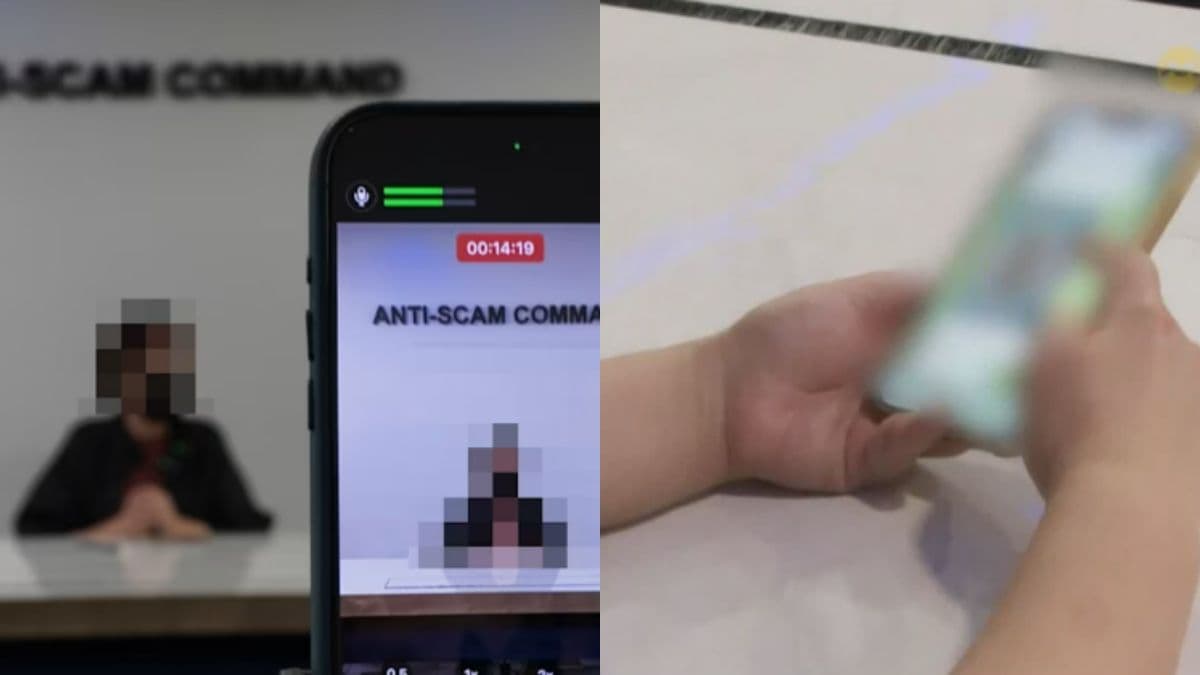
Inspector Norashikin Hussein from the police’s Anti-Scam Command warned the public to remain cautious.
“Even when an investment app is available on the official Apple Store, it may not be safe or legitimate, as scammers may use such apps to promote fraudulent investment products,” she said.
Victim Speaks Out
Despite her losses, Ms Lim said she is grateful for her family’s support.
“Life has to go on. I cannot let this ruin my life even though it’s a very painful experience,” she said.
She chose to share her story to warn others, adding that she would be far more cautious in the future.