Cathay Cineplexes to enter creditors’ voluntary liquidation amid deepening losses
Cathay Cineplexes, one of Singapore’s most recognisable cinema operators, will enter creditors’ voluntary liquidation, its parent company mm2 Asia announced on 1 September 2025. The decision follows mounting financial losses and unsuccessful restructuring talks with creditors.
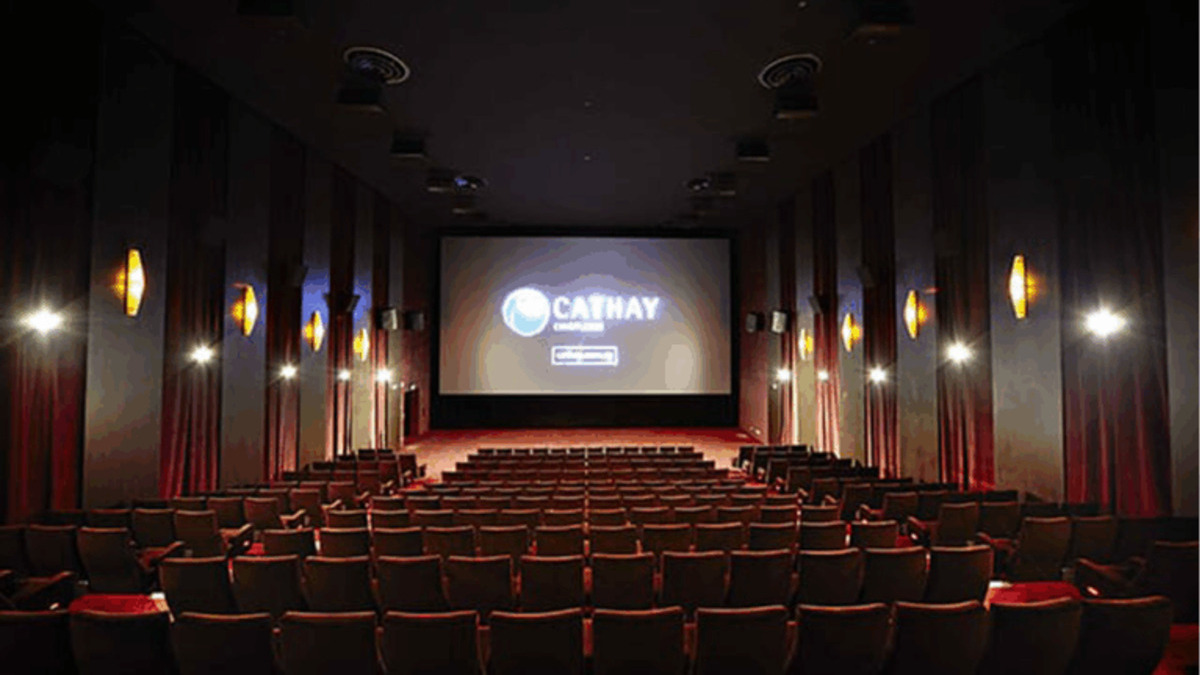
- Cathay Cineplexes to be wound up after failing to reach debt restructuring agreements.
- mm2 Asia posted a FY2025 net loss of S$122.4 million, up from S$1.9 million the previous year.
- Only four Cathay cinemas remain open after years of closures and rental disputes.
SINGAPORE — Cathay Cineplexes, one of Singapore’s best-known cinema operators, will enter creditors’ voluntary liquidation, its parent company mm2 Asia confirmed on 1 September.
In a filing to the Singapore Exchange, mm2 Asia said Cathay Cineplexes’ board had determined it was no longer viable for the business to continue operations, citing its financial position and the absence of feasible restructuring options.
Escalating financial distress
Cathay Cineplexes had sought to negotiate “amicable resolutions” with its creditors regarding outstanding debts but was unable to reach any “mutually agreeable restructuring outcomes,” the company said.
Luke Anthony Furler and Tan Kim Han of restructuring advisory firm Quantuma (Singapore) have been appointed as joint and several provisional liquidators. Meetings with members and creditors will be convened soon.
The announcement follows mm2 Asia’s disclosure of a S$122.4 million net loss for the financial year ending 2025, compared with S$1.9 million the previous year.
Executive chairman Melvin Ang said the second half of FY2025 had been “exceptionally challenging,” citing ongoing legal and financial issues linked to the cinema business.
He also acknowledged the strain on Cathay’s relationships with landlords, adding that while the company valued their partnership, “the road to recovery has been longer than anyone expected.”
What the liquidation means
Creditors’ voluntary liquidation occurs when a company is unable to meet its debts and chooses to wind up operations.
In such cases, creditors are consulted and a liquidator is appointed to sell off assets, with proceeds used to repay debts. This differs from a members’ voluntary liquidation, which applies when a solvent company believes it can pay its debts in full within 12 months.
During liquidation, shareholders’ rights to transfer shares are restricted unless approved by the liquidator.
Multiple closures and legal claims
Cathay Cineplexes has been under sustained financial pressure for years, worsened by the pandemic’s impact on cinema attendance, rising competition from streaming platforms, and thin margins.
Six Cathay cinemas have shut down in the past three years, leaving only four outlets still operating.
The company is also facing several rental claims. In July, Resorts Concept demanded S$577,235.58 in unpaid rent for its E!Hub@Downtown East outlet.
The landlord of Cathay’s now-closed Jem cinema also sought S$3.4 million in arrears, while Century Square, Alprop, and HSBC Institutional Trust Services—trustee of Frasers Centrepoint Trust—have lodged additional claims.
Industry outlook
Cathay’s liquidation highlights the deep challenges facing Singapore’s cinema industry, which continues to grapple with changing viewer habits and slow post-pandemic recovery.
Even independent operators are struggling. The Projector, known for showcasing alternative films, announced its own voluntary liquidation last month, closing its Cineleisure Orchard and Golden Mile Tower venues in August.
Together, the closures mark a sobering moment for Singapore’s cinema landscape, signalling a period of consolidation and uncertainty for the local film exhibition industry.