Parental guidance framework and consumer recourse measures apply to online gacha risks, says Government
Singapore authorities are promoting digital literacy frameworks, parenting resources, and consumer recourse avenues to address risks associated with gacha or blind box mechanisms, including potential gambling behaviour among youths and misleading sales practices.
- Parents are encouraged to use the “Set, Think, Report, and Engage & Support” framework to guide children on online spending risks, including gacha games.
- Public education and outreach initiatives are in place to inform consumers of their rights under the Consumer Protection Act.
- Government agencies are monitoring the situation and will adapt support where needed in collaboration with communities and schools.
The Government has affirmed that the “Set, Think, Report, and Engage & Support” framework launched in November 2025 is applicable to educating parents on managing the risks associated with online gacha or blind box mechanisms.
This was conveyed in a written parliamentary response on 13 January 2026 to questions filed by Dennis Tan Lip Fong, Member of Parliament for Hougang SMC from the Workers’ Party.
In her response, Minister for Digital Development and Information Josephine Teo noted that the framework promotes four key digital parenting actions: setting boundaries online, thinking before acting, reporting inappropriate content, and engaging and supporting children in their digital journey.
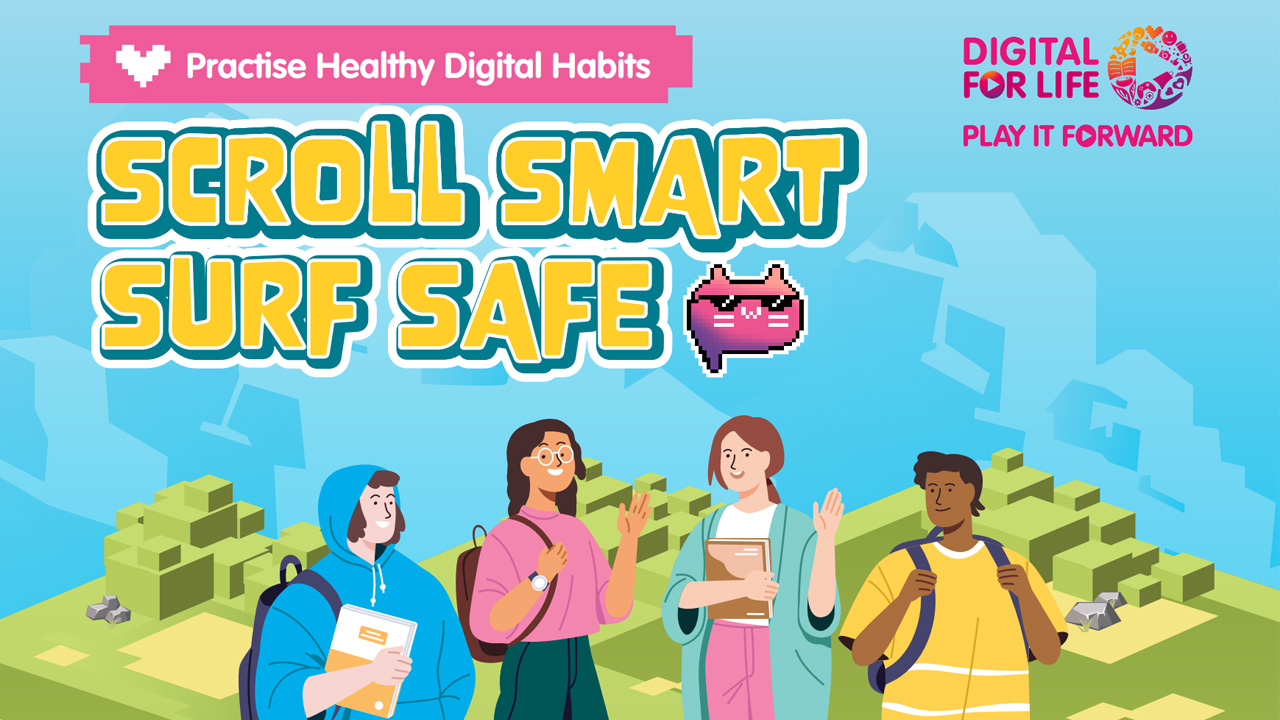
These principles aim to support parents in fostering healthy digital habits in their children. They are designed to be adaptable to various online scenarios, including in-game purchases and online spending patterns often seen in games featuring gacha or blind box elements.
To translate these principles into actionable guidance, the Infocomm Media Development Authority (IMDA) has made available a suite of resources on the Digital for Life (DfL) portal. These materials were developed in collaboration with parents, youths, and partners such as the Media Literacy Council. They are tailored to different stages of a child's development and digital milestones, such as acquiring their first device.
Complementing these resources, the Ministry of Digital Development and Information (MDDI) has partnered with community organisations to conduct digital parenting workshops within local communities.
In addition, the Ministry of Education (MOE), Ministry of Social and Family Development (MSF), and MDDI have jointly developed the Positive Use Guide on Technology and Social Media. This guide offers practical advice for managing gaming time and game stopping points. Its contents are reinforced through MOE’s Cyber Wellness curriculum and are also shared directly with families.
Addressing the specific concerns around loot boxes and gacha-style mechanisms, Minister Teo highlighted efforts by the National Council on Problem Gambling. These include targeted outreach to youths and parents through social media, public talks, and workshops. The initiatives aim to raise awareness of the gambling-like behaviours associated with such digital features, particularly the inducement to keep purchasing for uncertain outcomes.
In a separate reply, Deputy Prime Minister and Minister for Trade and Industry Gan Kim Yong addressed avenues for consumer recourse in the face of unfair or predatory gacha sales practices.
While the use of gacha or blind box mechanisms is not prohibited under the Consumer Protection (Fair Trading) Act 2003 (CPFTA), the Act does prohibit unfair practices, including false or misleading claims. For example, if a company misrepresents the odds of obtaining a certain item from a blind box, it may be in breach of the CPFTA.
Consumers who face such practices are advised to approach the Consumers Association of Singapore (CASE), which can assist in resolving disputes through negotiation or mediation. In more serious cases, CASE may escalate the matter to the Competition and Consumer Commission of Singapore (CCS) for investigation.
According to Minister Gan, both CCS and CASE engage in regular outreach to inform the public of their consumer rights and available recourse mechanisms. These efforts are aimed at empowering consumers to identify and respond to unfair commercial practices, especially as digital transactions become more complex.
Both ministries indicated that they will continue to monitor developments in this area. Further actions and policies may be introduced as needed, in consultation with parents, schools, and community partners.