Reuters: China’s super-rich adopt discretion in Singapore as scrutiny reshapes luxury spending patterns
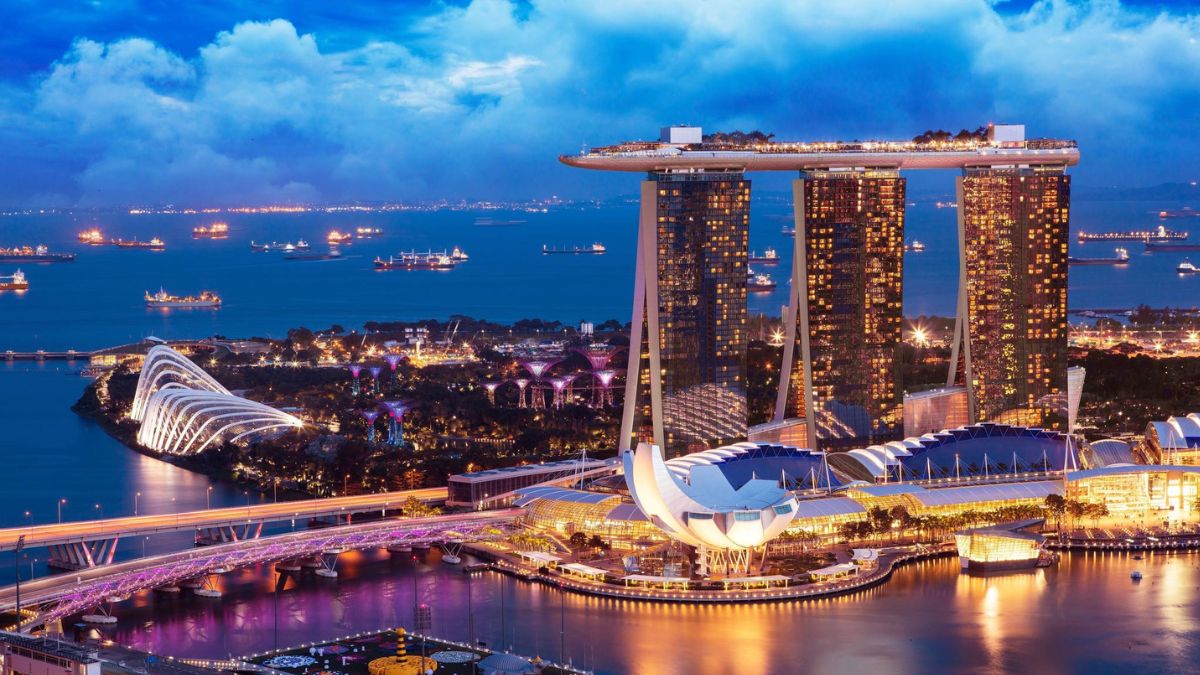
Reuters reports that wealthy mainland Chinese in Singapore are curbing conspicuous spending amid tighter scrutiny from authorities in both Singapore and China. The shift is reshaping the city-state’s luxury economy, affecting sectors from golf memberships to luxury cars and private aviation.
- Chinese high net-worth individuals in Singapore are reducing conspicuous spending following regulatory scrutiny.
- Luxury sectors from cars to golf clubs report steep declines in Chinese enquiries and purchases.
- Wealth inflows remain strong but are shifting to discreet assets like art, wine and exclusive clubs.
SINGAPORE: On 4 December 2025, Reuters reported that China’s super-rich in Singapore are becoming markedly more restrained in displaying their wealth.
Growing scrutiny from authorities in Singapore and in China has prompted a shift in spending behaviour.
According to Reuters, mainland Chinese living in Singapore are opting for a more discreet lifestyle, a trend that has reduced sales of high-end goods from Bentleys to private jets.
Singapore has witnessed massive inflows of Chinese wealth in recent years, drawn by political stability, tax advantages and cultural familiarity.
This was accelerated by the COVID pandemic and China’s subsequent economic uncertainty, which sent even more capital into the city.
Impact of the 2023 money-laundering scandal
A turning point came with the S$3 billion money-laundering scandal in 2023.
Reuters noted that heightened scrutiny in the aftermath has prompted the affluent to reduce ostentatious consumption.
Singapore has since imposed stricter know-your-customer rules across sectors including banking, property and golf clubs.
Meanwhile, Beijing has reportedly increased pressure on citizens to declare overseas income.
Luxury economy feels the strain
The regulatory tightening has reshaped parts of Singapore’s luxury economy.
Reuters cited the observations of Lee Lee Langdale, founder of Singolf, who said enquiries from Chinese clients had fallen sharply since the scandal.
She told Reuters her firm had seen transactions fail because clubs were unsatisfied with proof of funding.
Singolf data shows foreigner membership fees at Sentosa Golf Club peaking at S$950,000 in 2023 before falling to S$660,000 this year.
At the Singapore Island Country Club, fees dropped from S$800,000 in 2023 to S$470,000 this year.
General manager Ian Roberts said the club had seen fewer foreign membership transactions, though pricing was determined by brokerages.
Decline in luxury car and jet purchases
Government data cited by Reuters shows Bentley sold only 19 cars in the first ten months of 2025, compared to a peak of 103 in 2021.
Rolls-Royce sold 13 cars over the same period, down from 95 in 2023 and 23 in 2024.
Sim Bock Eng of WongPartnership told Reuters that private jet purchases by Chinese clients had also diminished.
She said that in 2021 almost every wealthy family sought to buy its own jet, a trend that has since cooled.
Shift to discreet assets
As conspicuous consumption declines, wealthy Chinese are redirecting their wealth.
Reuters reported that many are turning to art, fine wine and exclusive private clubs.
The Auspicious Club, for example, requires membership fees upward of US$138,000, offering privacy and exclusivity.
Wealth management firm WRISE Group’s chief executive, Kevin Teng, told Reuters they were seeing a more discerning wave of Chinese wealth.
In a separate interview with the Financial Times last month, Teng noted that clients in the digital asset sector were increasingly shifting funds to the Middle East.
Singapore has tightened scrutiny following a major money-laundering case involving individuals from China’s Fujian province.
This has made regulators more cautious about inflows from high-risk sources, especially in cryptocurrency.
Family offices surge despite headwinds
Government data shows family offices in Singapore almost tripled from 700 in 2021 to more than 2,000 in 2024.
Assets under management hit a record S$6 trillion, up from S$4.7 trillion in 2020.
While inflows by country are not disclosed, both local and foreign wealth managers have expanded their teams to handle rising demand from mainland Chinese.
Acker Wines chair John Kapon told Reuters that Chinese collectors remained consistent buyers of rare wine.
He said engagement continued to grow, citing an October auction with S$5 million worth of offerings.
Immigration pressures and public sentiment
Reuters noted that discretion is welcomed by Singapore’s political leaders, who remain sensitive to concerns about immigration and inequality.
Singapore’s population reached 6.11 million, with citizens comprising only 60 per cent.
The Population in Brief 2025 report states Singapore granted 22,766 citizenships in 2024, the highest on record.
Some immigration consultants told the Financial Times that approval rates could be as low as 8.25 per cent.
Wealth migration trends shift regionally
The Financial Times recently reported that more wealthy Chinese are establishing family offices in Dubai and Abu Dhabi as Singapore tightens rules.
The Henley Private Wealth Migration Report 2025 projected Singapore would attract 1,600 millionaires in 2025, down sharply from 3,500 in 2024.
Nevertheless, Singapore remains among the world’s top destinations for relocating millionaires.
SM Lee advises wealthy immigrants to 'keep their bling down' and not zoom Ferrari at night in Singapore
At a Chatham House Dialogue in October 2025, Senior Minister Lee Hsien Loong said wealthy foreigners were welcome but should avoid excessive displays.
“We need them, and we have got to accommodate them, and we have got to get them to understand what our rules are,” SM Lee said.
SM Lee cautioned wealthy immigrants against behaviours that could be perceived as disrespectful or boastful.
“Do not go around popping champagne which is US$20,000 a bottle with sparklers, and do not zoom your Ferrari or Lotus or whatever down the middle of the road in the middle of the night just to let everybody know that you have arrived,” he remarked.
“You would not have thought that that was something you needed to tell anybody, but sometimes it is helpful to remind them.”
SM Lee stressed that maintaining social harmony requires both integration from immigrants and openness from Singaporeans.