Singapore revokes long-term immigration status of Myanmar teen over possession of etomidate vape pod
A 15-year-old girl from Myanmar has become the first foreigner to lose her long-term immigration status in Singapore over possession of an etomidate-containing vape pod, as authorities intensify enforcement under the enhanced anti-vaping framework.
- A 15-year-old girl from Myanmar became the first foreigner to have long-term immigration status revoked for possessing an etomidate-containing vape pod.
- A 16-year-old boy became the first etomidate abuser admitted to the Drug Rehabilitation Centre under the updated Misuse of Drugs Act.
- Authorities reaffirmed enhanced penalties and rehabilitation requirements for etomidate-related offences.
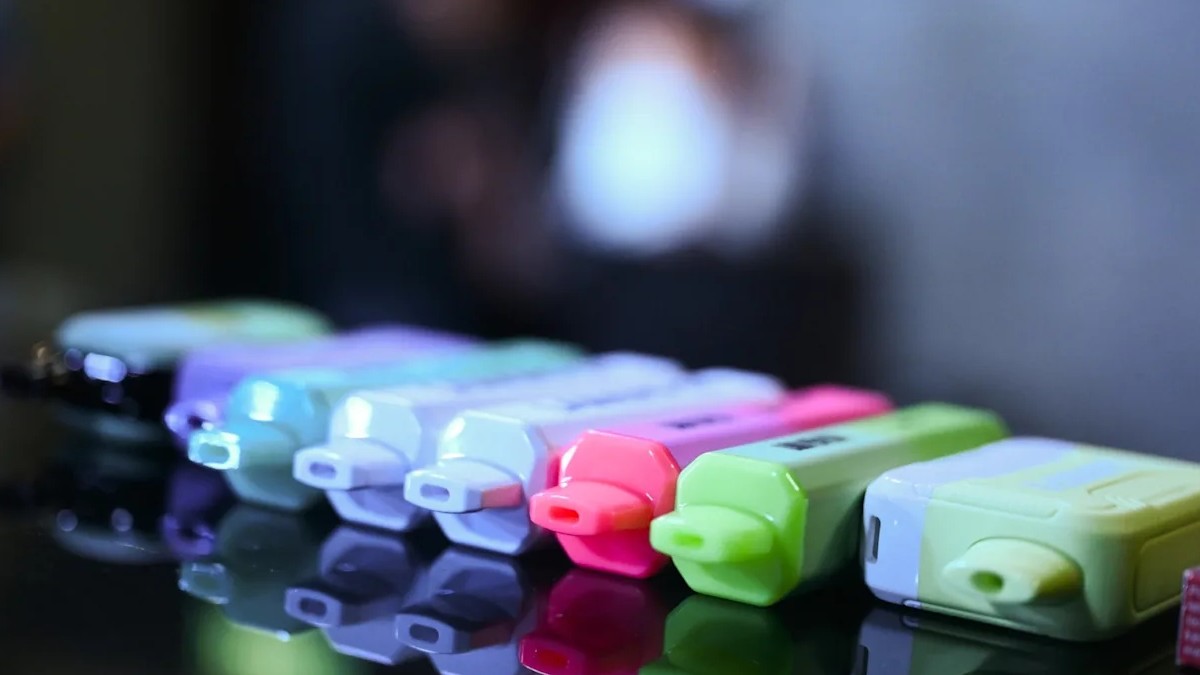
SINGAPORE: A 15-year-old girl from Myanmar has had her Singapore long-term immigration status revoked after she was found with an etomidate-containing vape pod.
According to a joint press release by the Ministry of Home Affairs (MHA) and Health Sciences Authority (HSA) on 8 December 2025, the device, known as a Kpod, was discovered during a routine police check on 14 November 2025.
She has been issued a Special Pass to remain in Singapore while assisting police with investigations into other suspected offences.
The authorities stated that she will be deported and barred from re-entering Singapore once investigations are concluded.
The case marks the first time a foreigner has had long-term immigration status revoked for possessing a Kpod under the enhanced anti-vaping framework that took effect on 1 September 2025.
Under this framework, foreigners found possessing or consuming Kpods, or testing positive for etomidate, may have their pass or immigration status cancelled, followed by deportation and a re-entry ban.
In a separate case, a 16-year-old boy was admitted to the Drug Rehabilitation Centre (DRC) on 27 November 2025 for two months after repeated etomidate-related offences.
MHA and HSA said the youth is the first etomidate abuser to be sent to the DRC since etomidate was classified as a Class C controlled drug under the Misuse of Drugs Act on 1 September.
He was first detected on 4 September with a regular vape in his possession.
On 2 October, he was found at his residence with vapes that later tested positive for etomidate, constituting his first etomidate-related offence.
He reoffended on 11 October when he was arrested for possession and consumption of etomidate at his residence.
His third offence occurred on 23 October when he was detained after being found slurring and acting abnormally in a private-hire vehicle.
Authorities explained that individuals admitted to the DRC undergo rehabilitation programmes designed to lower the risk of re-offending.
These may include psychology-based correctional sessions, family-based interventions, pro-social support programmes and religious counselling.
Upon discharge, abusers are subject to regular drug tests and community supervision.
The combined period of DRC rehabilitation and subsequent community supervision totals 12 months.
MHA and HSA stressed that importers, sellers and distributors of etomidate e-vaporisers face severe penalties.
They include between three and 20 years’ imprisonment and five to 15 strokes of the cane for importers.
Sellers and distributors face between two and 10 years’ imprisonment and two to five strokes of the cane.