Vivian Balakrishnan: PAP forced to rethink political dominance after Malaysia’s Barisan Nasional 2018 fall
Singapore’s foreign minister Vivian Balakrishnan said Barisan Nasional’s shock 2018 election defeat forced the PAP to reflect on its own political endurance, warning that corruption, incompetence and disconnection pose long-term risks to any ruling party.
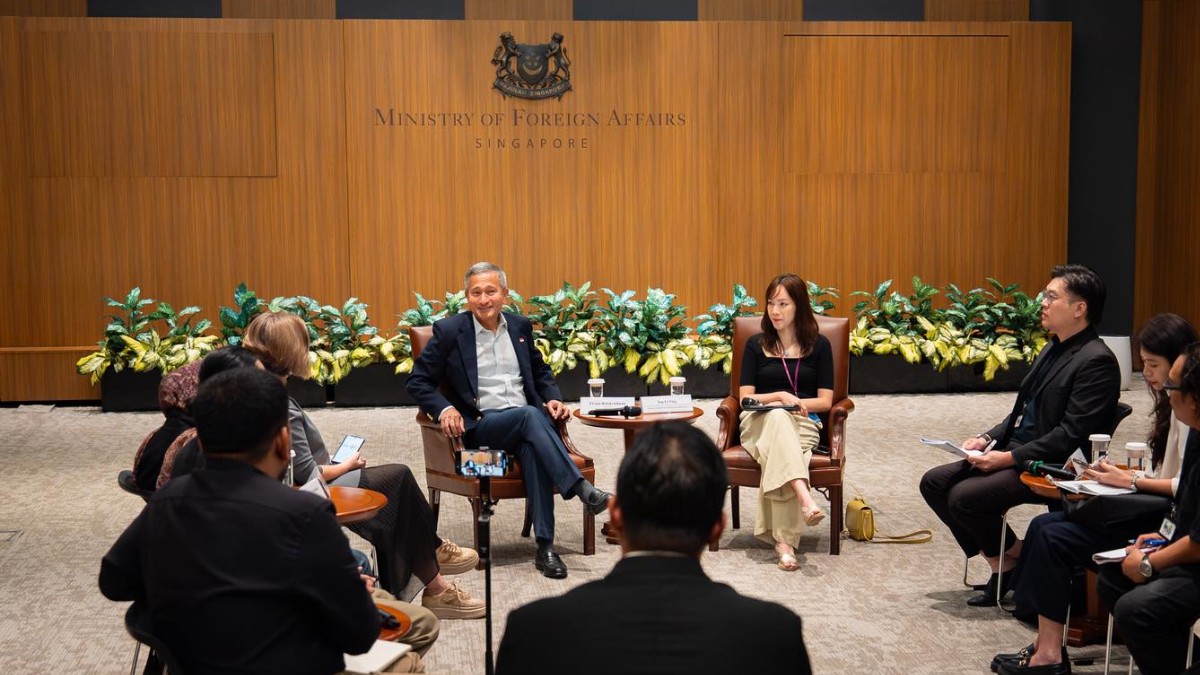
- Vivian Balakrishnan said Barisan Nasional’s 2018 collapse forced the PAP to reconsider the fragility of long-term political dominance.
- He outlined corruption, incompetence and disconnection as the three main threats to any long-governing party.
- He reaffirmed Singapore’s stance on capital punishment and provided updates on bilateral water and rail discussions.
Singapore’s foreign minister Dr Vivian Balakrishnan said the People’s Action Party has been forced to reflect deeply on its political durability after Barisan Nasional’s shock defeat in Malaysia’s 2018 general election.
He made the remarks during a media roundtable with Malaysian journalists on the sidelines of the 17th Malaysian Journalists’ Visit Programme organised by Singapore’s Digital Development and Information Ministry.
According to Balakrishnan, the PAP had long viewed BN’s uninterrupted rule, stretching from the pre-independence era in 1956 until 2018, as evidence that dominant political parties could remain stable over decades.
‘The last man standing’
He noted that BN’s six-decade hold on federal power once created a sense of continuity across the Causeway.
“Then 2018 happened. So now the pressure is on the PAP. It is like being the last man standing,” he told journalists.
He added that each election would be “more and more difficult” as political landscapes mature and voter expectations evolve.
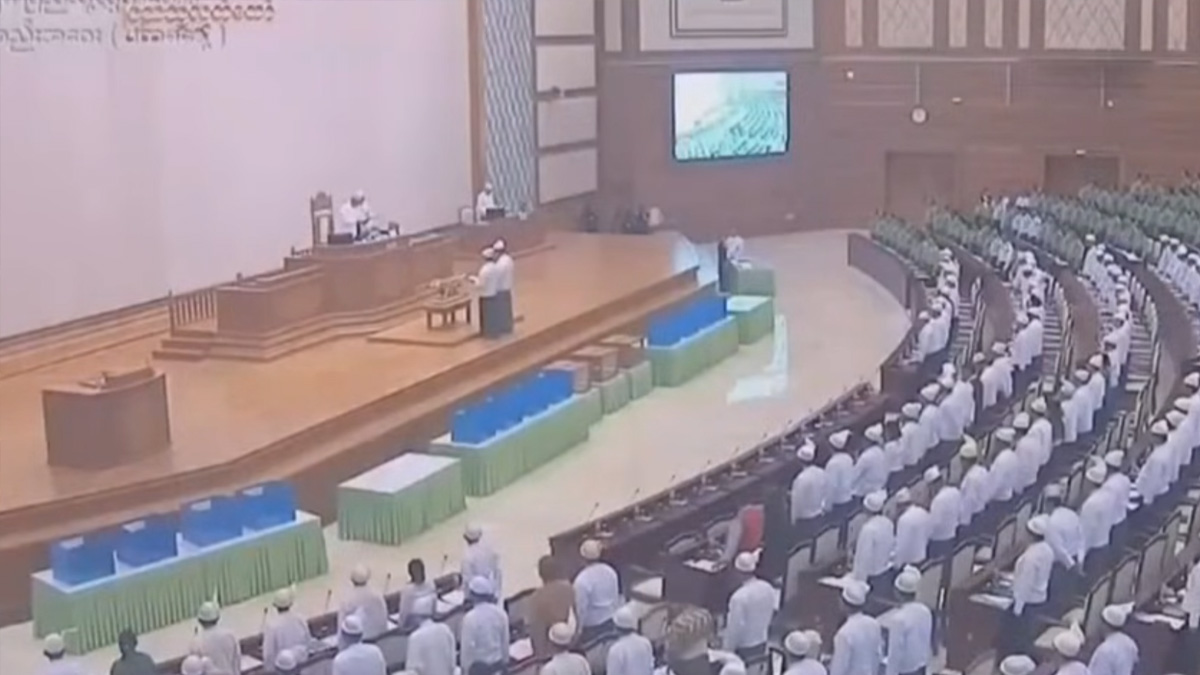
Malaysia’s 14th general election produced a seismic political shift, with Pakatan Harapan capturing 121 parliamentary seats.
BN, which held 133 seats before the polls, fell to 79 and lost almost all state governments.
Its representation fell further to 30 seats after the 2022 general election.
The PAP, by contrast, has never lost a general election since forming Singapore’s first fully elected government in 1959.
Three traps for long-standing parties
Balakrishnan outlined three critical risks faced by any party that governs over long periods: corruption, incompetence and political myopia.
“Corruption is the biggest threat to longevity. It erodes and eventually destroys credibility. We remain hyper aware,” he said, stressing the need for constant vigilance.
He said incompetence often becomes visible during crises, when complacency overtakes capability.
The third danger, he added, was disconnection: a government becoming detached from public sentiment.
“If you are out of touch with your constituency, voters and the realities on the ground, people notice,” he said.
Accountability and authenticity
Balakrishnan said the PAP’s long-term survival depended on maintaining high standards of accountability and competence.
“We go after corruption ruthlessly. We insist on competence. When we fall short, we admit it, fix it and improve,” he said.
He added that Singaporeans expect leaders who appear authentic rather than rehearsed, and who show conviction even when decisions are debated.
“They want to know the person leading them believes in something, feels for something, has a heart, and wants to act for them,” he said.
Singapore’s stance on capital punishment
Separately, Balakrishnan defended Singapore’s position on capital punishment for serious drug offences, saying the death penalty remains a necessary deterrent to safeguard public safety and social stability.
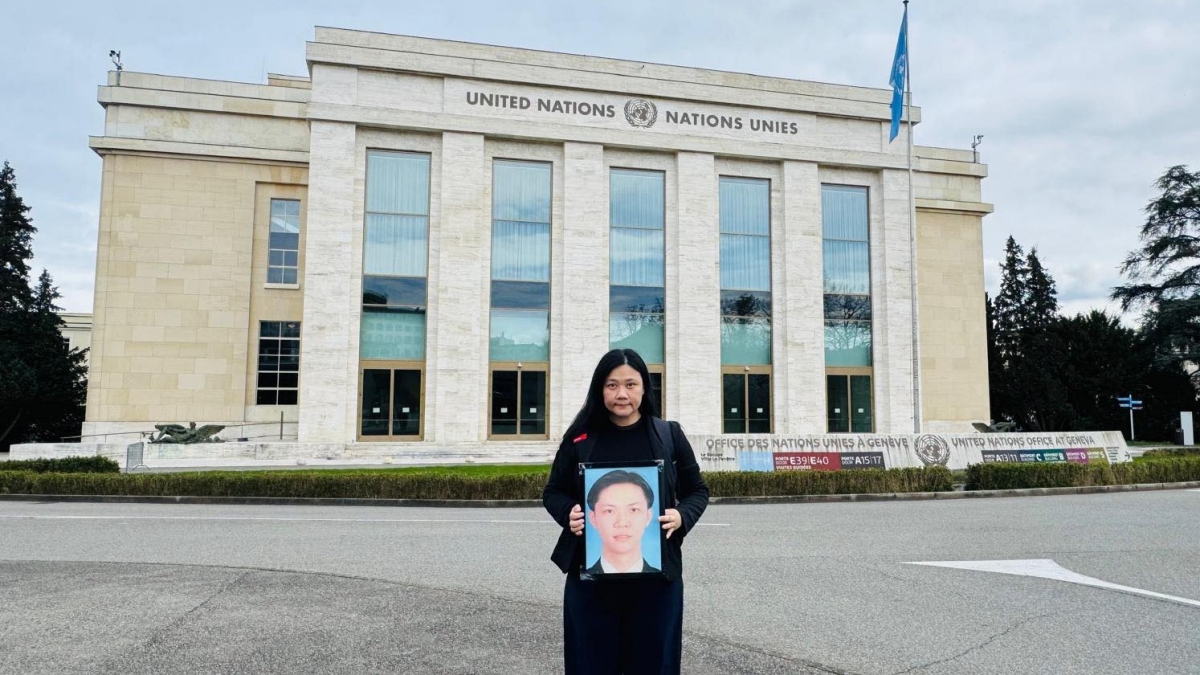
This year, Malaysians K. Datchinamurthy, aged 39, P. Pannir Selvam Pranthaman, aged 38, and Saminathan Selvaraju, aged 42, were executed on 27 November 2025 for drug trafficking offences.
Amnesty International and the Malaysian Bar have criticised Singapore’s continued use of capital punishment, citing human rights concerns and limited judicial discretion.
Balakrishnan said Singapore would maintain its laws as long as its citizens believe they are essential for public protection.
Talks on the 1962 Water Agreement and high-speed rail
The roundtable also touched on the 1962 Water Agreement, which remains valid until 2061 and governs the supply of 250 million gallons of raw water per day from Johor to Singapore. Malaysia may purchase treated water under the same framework.
Balakrishnan confirmed that discussions are ongoing through the Joint Technical Committee reconvened after the 2023 Leaders’ Retreat, but did not provide further details. The talks cover water quality, supply and pricing.
He added that Singapore remains open to reconsidering the Kuala Lumpur–Singapore High-Speed Rail project if a commercially viable proposal emerges.
Negotiations continue as both sides explore long-term infrastructure cooperation.