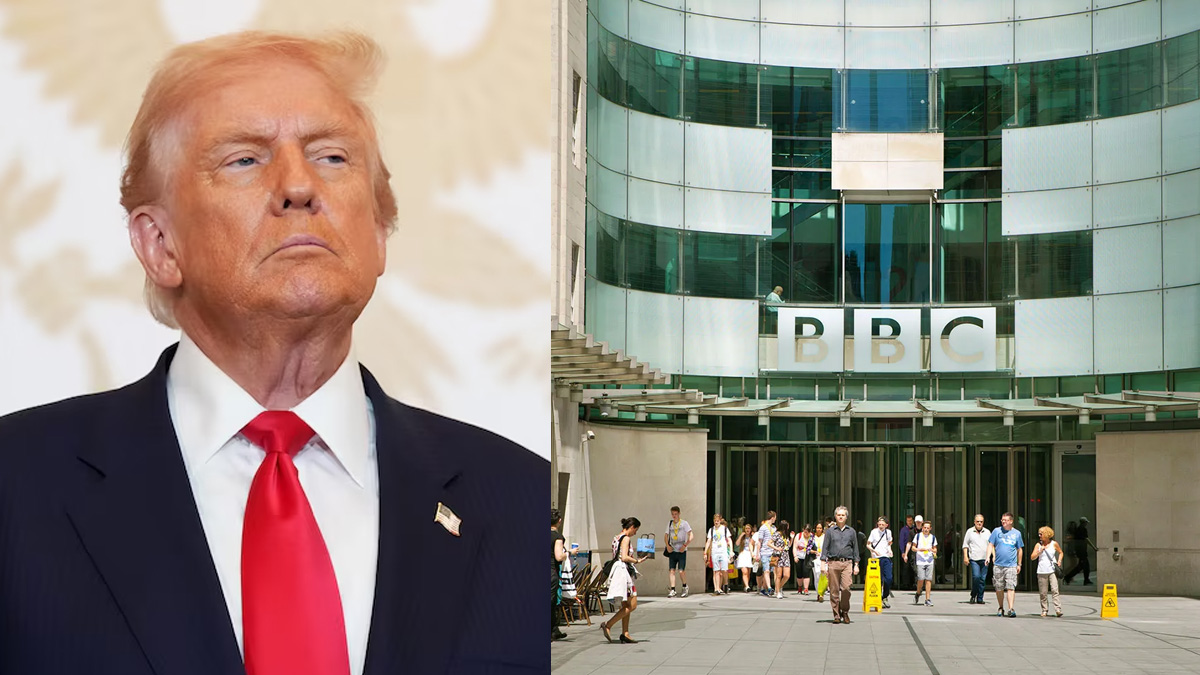
Britain approves China’s largest European embassy in London despite security concerns
Britain has approved China’s plan to build its largest European embassy in London, citing mitigated security risks, despite opposition from politicians and residents who warn of espionage concerns.
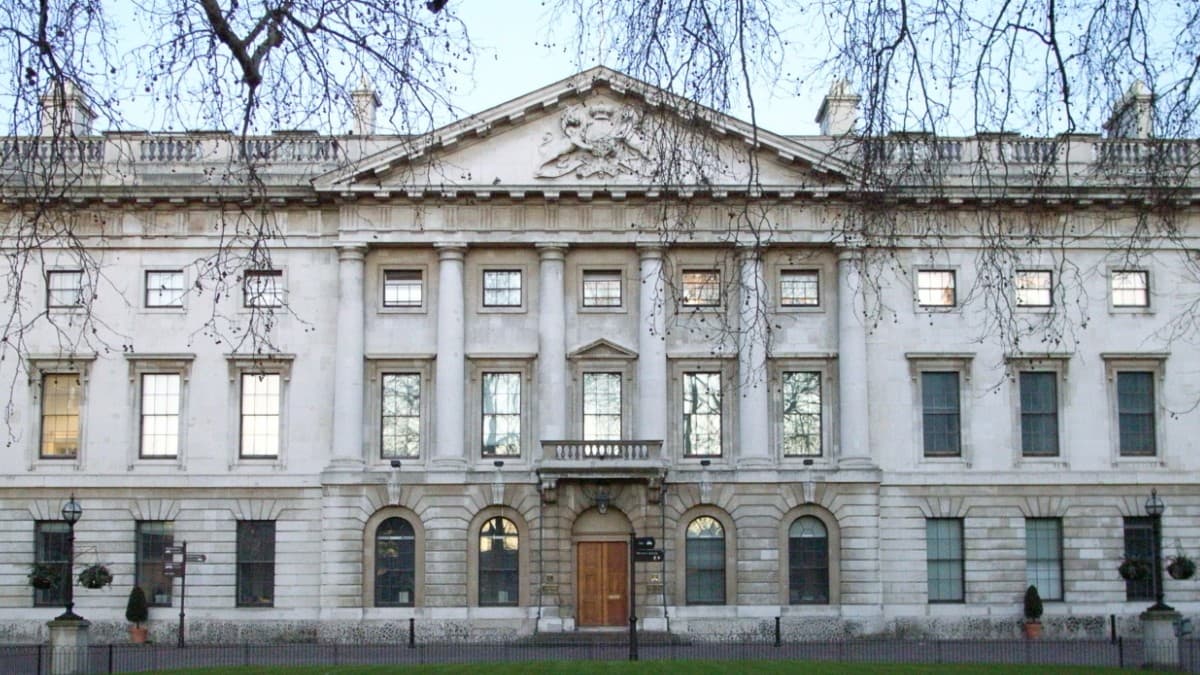
- Britain approved China’s plan to build its largest European embassy at Royal Mint Court on 20 January 2026.
- The decision comes ahead of an expected visit by Prime Minister Keir Starmer to China, despite political and security warnings.
- Intelligence agencies said risks could be mitigated, though legal challenges from local residents are expected.
Britain’s government approved on 20 January 2026 China’s plans to build its largest embassy in Europe in London, a move intended to stabilise strained relations with Beijing despite sustained warnings from British and US politicians about potential espionage risks.
The new embassy will be built on the historic Royal Mint Court site near the Tower of London, following a planning process that had stalled for three years amid objections from local residents, lawmakers, and Hong Kong pro-democracy activists.
The decision was announced shortly before an expected visit by Prime Minister Keir Starmer to China later this month.
British and Chinese officials said the visit was contingent on the embassy project receiving approval.
A government spokesperson said national security considerations had been central to the decision-making process, adding that intelligence agencies had been involved throughout the review.
“National security is our first duty,” the spokesperson said, according to an official statement released on Tuesday.
Britain’s intelligence agencies concluded that any security risks posed by the enlarged embassy could be managed through a package of mitigations, despite acknowledging that risks could not be entirely eliminated.
The approval process is not yet definitively concluded. Local residents have said they will seek a legal challenge, arguing that the decision would be unlawful if British officials privately assured China of approval before the planning process ended.
China purchased the Royal Mint Court site in 2018 for £255 million, equivalent to about US$343 million, according to planning documents. Initial planning applications were rejected by the local council in 2022.
Chinese President Xi Jinping personally raised the issue with Starmer last year, requesting government intervention after the local authority blocked the proposal.
The British government formally took control of the planning decision in 2025. A public inquiry was held in February to assess security, heritage, and community concerns related to the project.
Some British and US politicians have argued that the site’s proximity to London’s historic financial district poses intelligence risks.
They warned that fibre-optic cables used by financial institutions run beneath the area.
Critics claim the embassy could potentially be used to monitor or intercept sensitive communications, a concern repeatedly raised during parliamentary debates and public consultations.
The opposition Conservative Party strongly criticised the decision, calling it a “disgraceful act of cowardice” by a government “utterly devoid of backbone”.
British security officials had previously warned that a significantly larger embassy could result in an increased intelligence presence in the country, an assertion consistently rejected by Chinese officials.
In a brief one-line statement, the Chinese embassy in London said it had noted the British government’s decision.
Britain’s domestic security agency MI5 has repeatedly warned of attempts by China to recruit individuals with access to government and political institutions. Lawmakers were formally briefed in November about interference activities attributed to Beijing.
Concerns intensified following the collapse of a trial involving two British men accused of spying on members of parliament for China. Critics said the episode raised questions about whether diplomatic priorities were outweighing security considerations.
In response to mounting criticism, the heads of MI5 and the intelligence communications agency GCHQ issued a rare joint letter confirming that a tailored security framework had been agreed for the embassy.
“For the Royal Mint Court site, as with any foreign embassy on UK soil, it is not realistic to expect to be able wholly to eliminate each and every potential risk,” the letter stated.
They added that the agreed mitigations were judged sufficient to manage foreseeable threats associated with the development.
Britain’s approach to China has shifted significantly over the past decade. It moved from positioning itself as Beijing’s strongest European partner to becoming one of its most outspoken critics.
The current government has sought to recalibrate that stance, arguing that selective engagement is necessary to advance economic and strategic interests.
Starmer said last month that closer business ties with China were in the national interest, while maintaining that national security safeguards would not be compromised.
The planned embassy will have a footprint of about 55,000 square metres, nearly ten times the size of China’s current embassy in central London. It would also be considerably larger than China’s embassy in the United States.
Before Tuesday’s approval, Chinese authorities had blocked Britain’s own plans to expand its embassy in Beijing, according to officials involved in bilateral discussions.
Royal Mint Court has historical significance, having housed the Royal Mint from the early 19th century until 1967, when coin production was relocated.
The site’s redevelopment into a diplomatic complex marks a significant transformation of one of London’s most historically sensitive locations.