Starmer rejects US tariff threats and calls for calm over Trump’s Greenland ambitions
UK Prime Minister Keir Starmer has ruled out retaliatory tariffs on the US following Donald Trump’s threats over European opposition to his Greenland plan, urging a diplomatic approach amid growing international tension.
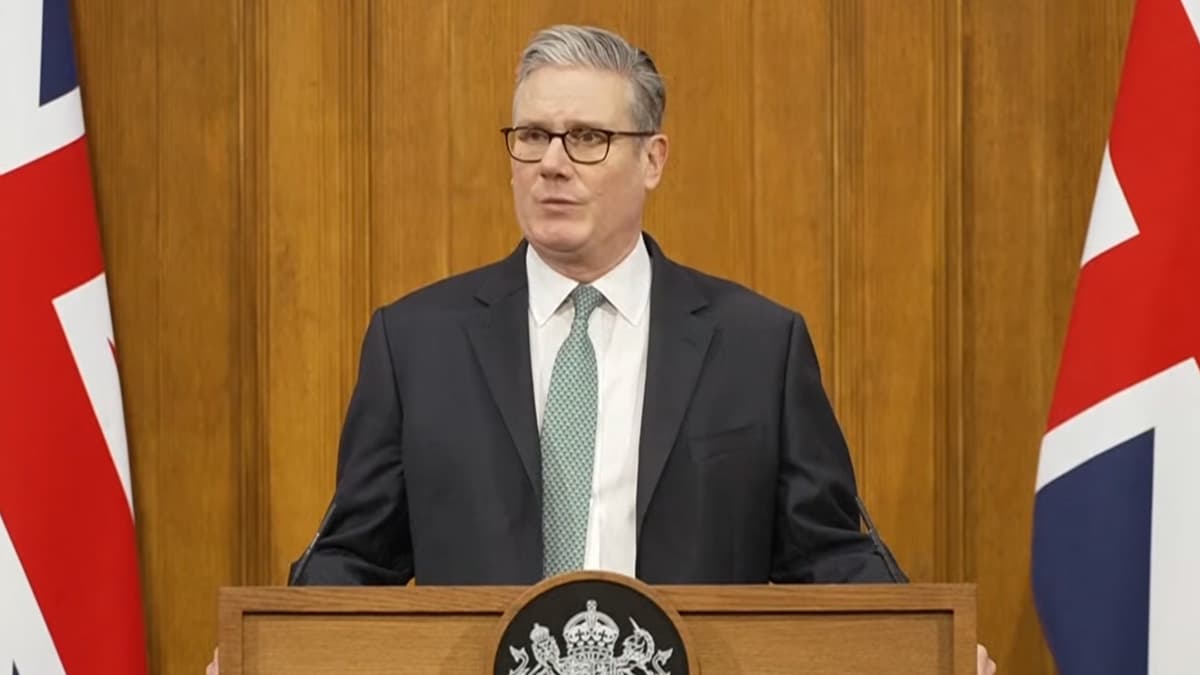
- UK Prime Minister Keir Starmer has rejected retaliatory tariffs against the US despite Donald Trump's threats targeting European allies over Greenland.
- Starmer emphasised diplomacy and mutual respect, warning that a trade war would harm the UK economy and transatlantic alliance.
- The EU is considering economic sanctions in response, while Trump has reiterated his ambition to acquire Greenland for strategic and resource-related reasons.
UK Prime Minister Keir Starmer has dismissed the idea of imposing retaliatory tariffs on the United States, following President Donald Trump's threat to levy new tariffs on European nations opposing his ambition to purchase Greenland.
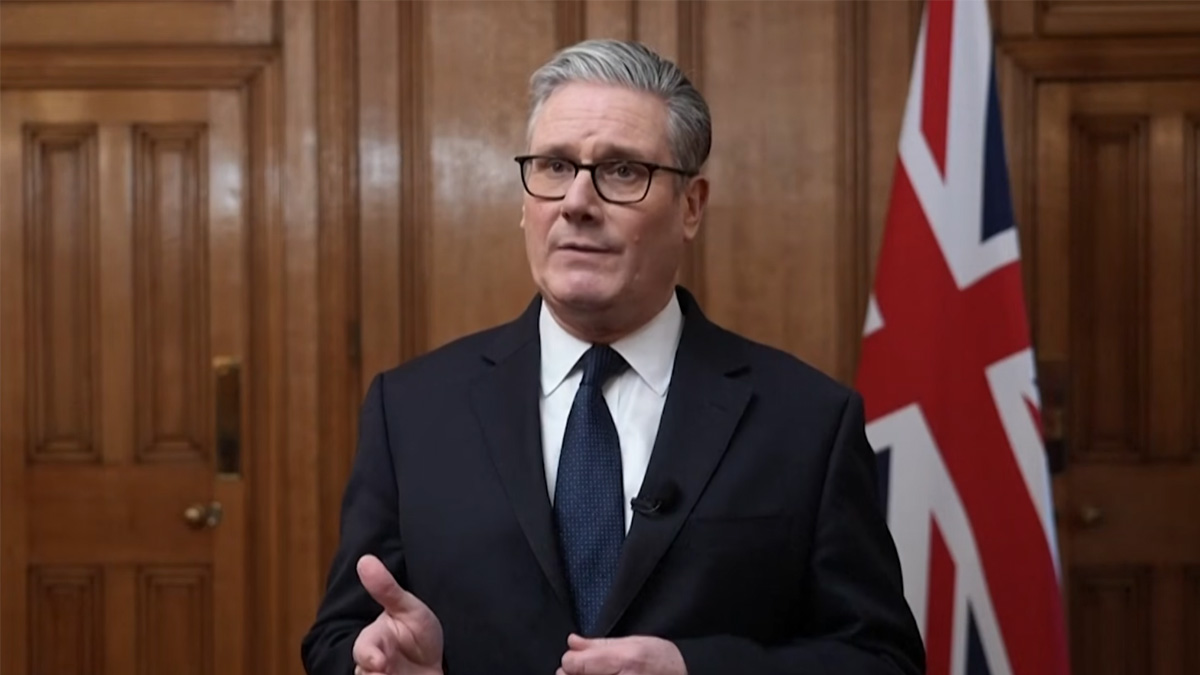
Speaking at an emergency press conference on 10 Downing Street, Starmer said a trade war would be harmful to the British economy and not in the national interest.
He stated, “Threatening tariffs on allies is the wrong thing to do, completely wrong,” adding that the UK would pursue “calm discussion” with its allies and the US instead of confrontation.
Trump, over the weekend, threatened sanctions on eight European nations, including the UK, that have deployed troops to Greenland. The move was interpreted as pressure on Europe to back his controversial bid to buy the Arctic territory.
Despite the threats, Starmer said he did not believe the US president intended military action in the Arctic, calling for restraint and diplomacy instead.
“Any decision about the future status of Greenland belongs to the people of Greenland and the kingdom of Denmark alone. That right is fundamental,” he said.
He underlined the importance of maintaining a strong UK-US relationship, especially on security and intelligence matters, even as he made clear the limits of alignment with Washington.
“I do emphasise, whatever the understandable reaction of the British public over the weekend, it is – on defence and security and intelligence and nuclear capability – manifestly in our interests to have a strong relationship with the US,” Starmer said.
“But strong, respectful alliances require the maturity to say where we disagree … and on this we disagree.”
The escalating situation stems from Trump’s long-standing interest in Greenland, a territory of Denmark. In a letter to Norwegian Prime Minister Jonas Gahr Støre, confirmed by the Norwegian government, Trump stated, “The World is not secure unless we have Complete and Total Control of Greenland.”
He further expressed frustration over not receiving the Nobel Peace Prize, saying he “no longer feels an obligation to think purely of Peace”.
Trump also questioned Denmark’s claim to Greenland, writing: “It’s only that a boat landed there hundreds of years ago, but we had boats landing there, also.”
Støre clarified that the letter was in response to a brief joint message sent by him and Finnish President Alexander Stubb, suggesting that the tone of Trump’s message was personal and reactive.
The strategic value of Greenland lies in its location between North America and the Arctic, which makes it vital for early-warning systems and Arctic military monitoring.
The US operates Pituffik Space Base in Greenland, formerly Thule Air Base, which has been active since World War Two. Trump and his officials have also highlighted Greenland’s natural resources, including rare earth minerals, uranium, iron, and potential oil and gas reserves.
According to reports, US Secretary of State Marco Rubio told lawmakers that the administration's goal was to purchase Greenland rather than annex it militarily, but the rhetoric has alarmed European governments.
The European Union is now reportedly considering retaliatory economic measures, including possible sanctions on American goods. European Commission President Ursula von der Leyen has been in contact with Starmer, as coordination between EU members intensifies.
Starmer said there was “proper unity and coordination” in the European response, underscoring efforts to prevent escalation.
“My first task is to ensure we don’t get to that place,” Starmer said, referring to a potential trade war.
“We must find a pragmatic, sensible, sustained way through this, that avoids some of the consequences that will be very serious for our country.”
While domestic pressure is growing on Starmer to adopt a firmer stance against Trump, the prime minister has defended his measured approach.
“Alliances endure because they’re built on respect and partnership, not pressure,” Starmer said.
“I’ve spoken to the president about it and will continue to do so.”