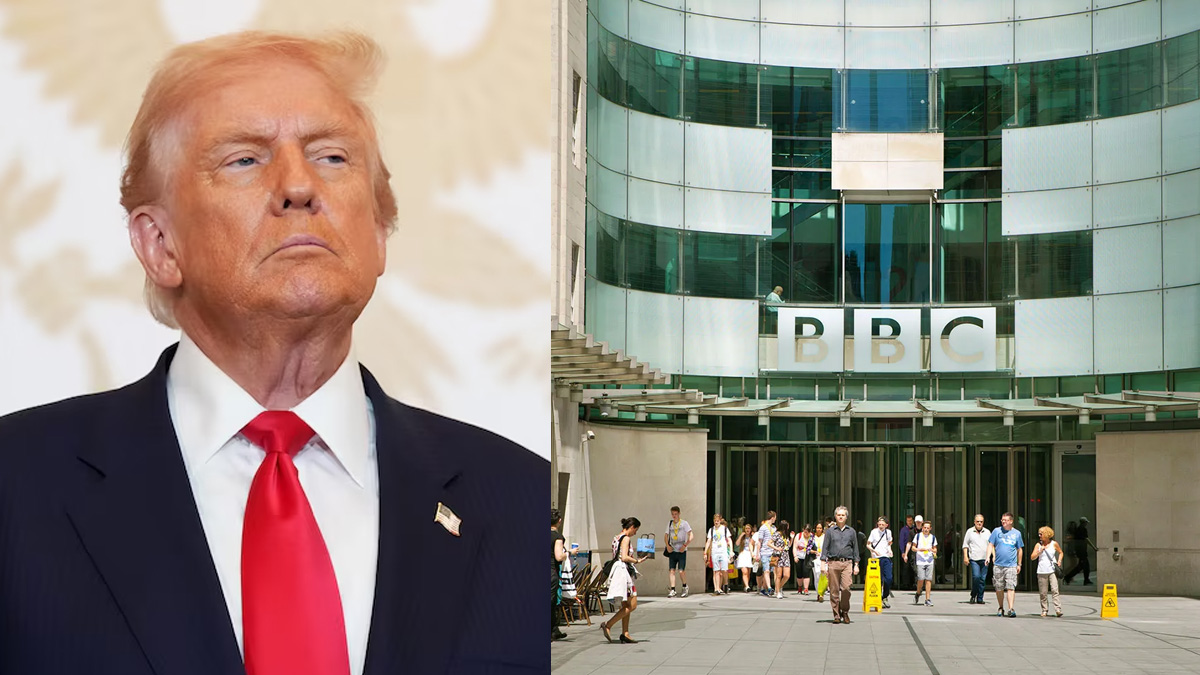
Starmer urges Trump to apologise over NATO Afghanistan remarks
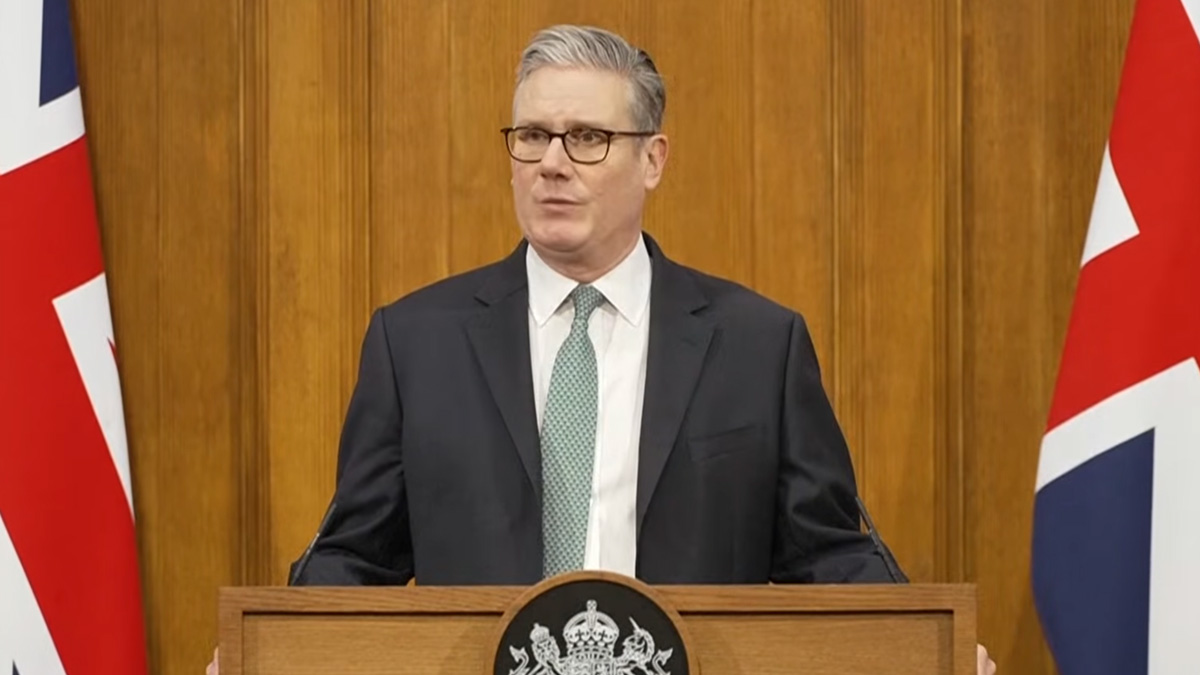
UK Prime Minister Keir Starmer has criticised Donald Trump’s remarks downplaying European involvement in Afghanistan, calling them “insulting and appalling”. The comments drew widespread condemnation from NATO allies, who reaffirmed the sacrifices made during the US-led war.
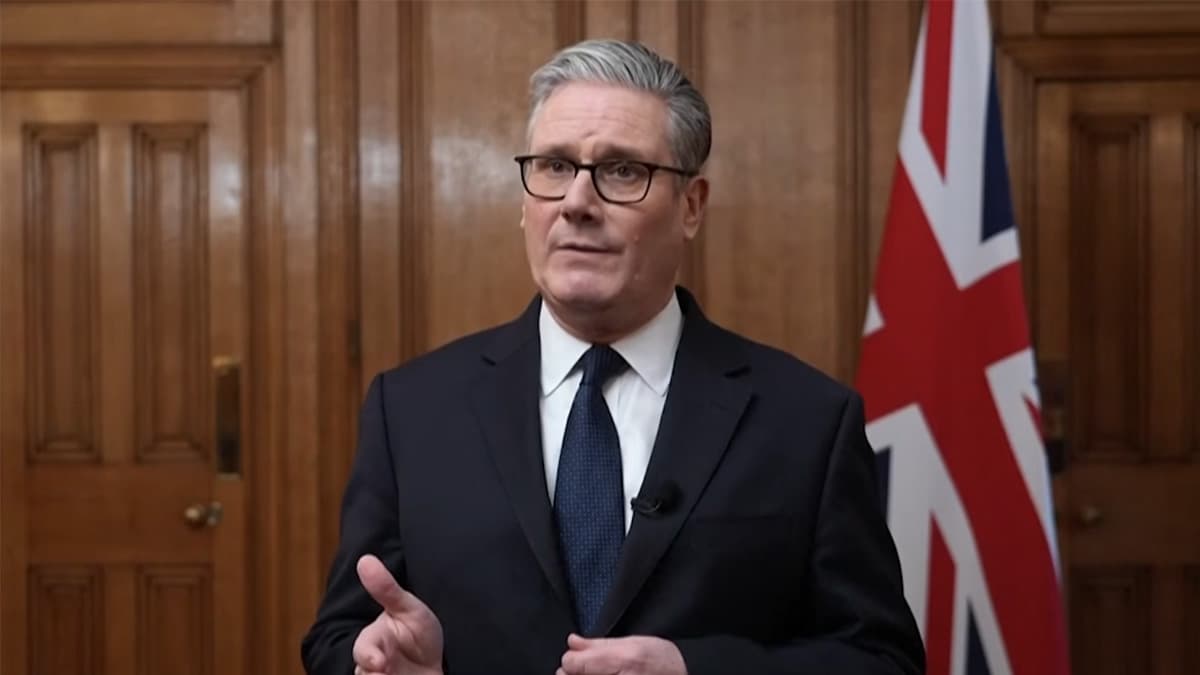
- UK Prime Minister Keir Starmer rebukes Donald Trump’s remarks on NATO involvement in Afghanistan, calling them “appalling”.
- Trump claimed European forces stayed “off the front lines”, sparking backlash across European capitals.
- Starmer, joined by Prince Harry and European officials, paid tribute to lives lost and reaffirmed NATO solidarity.
In a rare and direct rebuke of the United States president, British Prime Minister Keir Starmer has urged Donald Trump to apologise for comments suggesting that European troops did not fight on the front lines during the war in Afghanistan.
Speaking on Friday night, Starmer called Trump’s remarks “insulting and frankly appalling” during an interview, following the US president’s comments to Fox News earlier in the week.
Trump had claimed that NATO allies “stayed a little off the front lines” in the 20-year conflict, comments that have provoked widespread backlash across Europe.
Asked directly whether he would seek an apology from Trump, Starmer responded, “If I had misspoken in that way or said those words, I would certainly apologise.”
The remarks from Trump followed a turbulent week of transatlantic tension, during which he threatened trade tariffs on several European nations opposing his controversial push to acquire Greenland, a semi-autonomous territory of Denmark.
While speaking on the sidelines of the World Economic Forum in Davos, Switzerland, Trump further questioned the future of NATO, suggesting the United States “never really asked anything” of the alliance and questioning its reliability.
In response, Starmer paid tribute to the 457 British personnel who died during the US-led war in Afghanistan that began in 2001 after the 11 September attacks.
He also noted that over 150,000 members of the UK armed forces served in Afghanistan, making Britain the second-largest contributor to the coalition.
Alongside British and American troops, NATO allies from across Europe deployed forces to Afghanistan, following the invocation of Article 5 of the alliance’s founding treaty — a clause used for the first time in NATO history after the 2001 attacks on the US.
Canada lost more than 150 soldiers in the conflict, France lost 90, and dozens more died from Germany, Italy, Denmark, and other member states.
Denmark, which remains at odds with Trump over the Greenland issue, lost 44 troops during its deployment in Afghanistan.
The United States suffered over 2,400 military deaths during the campaign.
According to the Costs of War project by Brown University, at least 46,319 Afghan civilians were killed directly by the conflict. That figure excludes deaths caused indirectly by disease, displacement, or infrastructure collapse.
Trump’s suggestion that NATO did not meaningfully contribute to the war effort has further strained relations between Washington and its European partners.
In a statement on Friday, Dutch Foreign Minister David van Weel condemned the remarks as “untrue and disrespectful.”
Polish Defence Minister Wladyslaw Kosiniak-Kamysz also rejected Trump’s narrative, stating that Poland was “a reliable and proven ally, and nothing will change that.”
Later that day, Prince Harry added his voice to the criticism, honouring the sacrifices made by British troops in the conflict.
Harry, who served two tours of duty in Afghanistan, said the impact of the war was profound and enduring.
“Thousands of lives were changed forever,” he said. “Mothers and fathers buried sons and daughters. Children were left without a parent. Families are left carrying the cost.”
Trump’s comments also cast a shadow over recent discussions on Arctic security, where he had earlier backed down from imposing tariffs after talks with NATO Secretary-General Mark Rutte. Both leaders reportedly agreed on a “framework” for Arctic cooperation, though details remain vague.
Observers say Trump’s repeated scepticism toward NATO and his attempts to reframe past conflicts in a way that minimises allied roles have undermined the unity of the alliance.
With Europe increasingly wary of US foreign policy unpredictability, Starmer’s comments signal a broader pushback against what many European leaders view as a revisionist and divisive narrative.