Bipartisan scrutiny mounts over US Navy's “double tap” strike on Venezuelan boat
A second US military strike on a burning Venezuelan boat that reportedly killed two survivors has triggered bipartisan outrage in Washington, with questions raised over its legality and calls for investigations into Defence Secretary Pete Hegseth’s role.

- A second US Navy strike on a Venezuelan drug boat on 2 September reportedly killed survivors of the first attack.
- Bipartisan concern has emerged in Washington, with lawmakers calling for investigations and raising legal questions.
- The Trump administration defends the strikes as part of its war on narco-terrorism, amid rising tensions with Venezuela.
A second airstrike ordered by a top US Navy official against a burning Venezuelan boat has come under intense bipartisan scrutiny, following allegations that the attack killed two survivors of an earlier blast.
The incident, which occurred on 2 September, has prompted questions about the legality of US military operations in the Caribbean Sea under the Trump administration’s anti-narcotics campaign.
According to The Washington Post, two individuals had survived the initial strike and were reportedly clinging to the vessel when the second strike was launched, killing them.
White House Press Secretary Karoline Leavitt confirmed on 2 December that Admiral Frank Bradley had authorised the second strike, with approval from Defence Secretary Pete Hegseth. However, she denied that Hegseth had ordered that "everybody" be killed, contradicting claims in media reports.
Leavitt stated during a press briefing that Admiral Bradley "worked well within his authority and the law" in ordering the follow-up strike.
Calls for investigations from both parties
The reported deaths have sparked bipartisan outrage in Congress. Lawmakers from both parties, including members of the Senate and House Armed Services Committees, have pledged to investigate the legality and circumstances of the 2 September operation.
Democratic Senator Jacky Rosen, a member of the Senate Armed Services Committee, issued a statement calling for Hegseth’s resignation if he had ordered the killing of incapacitated survivors.
"If the reports are true, Pete Hegseth likely committed a war crime," Rosen said, urging a thorough investigation into the operation.
Republican Senator Roger Wicker, chair of the same committee, confirmed on 2 December that lawmakers would seek audio and video records of the strike and interview Admiral Bradley directly.
The House Armed Services Committee announced a parallel review to “gather a full accounting of the operation in question.”
Legal concerns over the "double tap"
The strike has reignited debate over the use of so-called “double tap” attacks — repeated strikes in short succession, sometimes used to target rescuers or survivors.
Multiple legal experts told the BBC that if the survivors were incapacitated and posed no threat, targeting them would be a violation of international law, including provisions under the Geneva Conventions which protect shipwrecked individuals and wounded combatants.
The Trump administration contends that its anti-drug operations in the region fall under the category of a non-international armed conflict. According to this classification, narco-terrorist groups are considered legitimate military targets.
However, critics argue that this legal framework does not automatically authorise lethal action against those rendered incapable of resistance.
The Office of Legal Counsel's formal opinion justifying the strikes has not been made public, despite requests from congressional Democrats and veterans on the Armed Services Committee.
US military campaign in the Caribbean intensifies
The 2 September incident is part of a broader escalation of US military activity in the Caribbean. Since early September, more than 80 individuals have reportedly been killed in similar strikes on alleged drug-smuggling vessels.
Despite the growing number of operations, US authorities have released limited information about the identity of those on board, and no substantive evidence of drug trafficking has been made public.
Typically, announcements of strikes are accompanied by grainy video footage, but details regarding cargo, affiliations, or contraband remain scarce.
Defence Secretary Hegseth has remained defiant, dismissing the latest report as “fabricated, inflammatory, and derogatory.” On 2 December, he publicly defended Admiral Bradley, stating: “I stand by him and the combat decisions he has made — on the September 2 mission and all others since.”
Venezuela condemns US actions
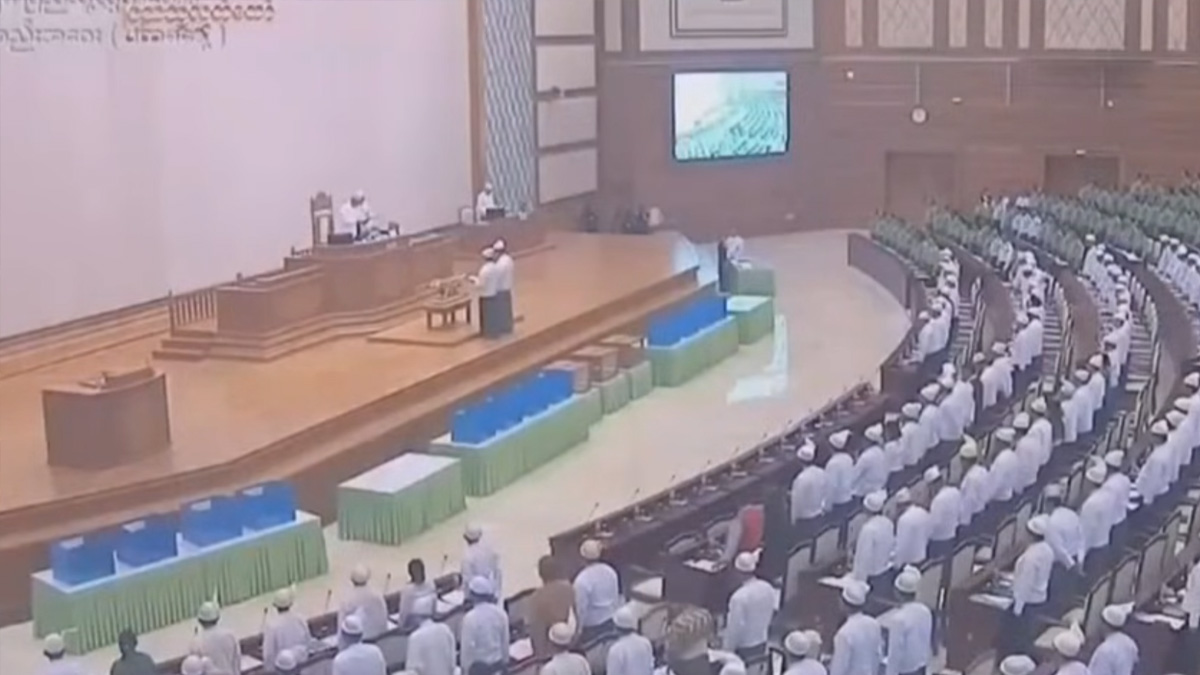
On 1 December, Venezuela’s National Assembly formally condemned the strikes and announced plans for a “rigorous and thorough investigation” into the deaths.
Attorney General Tarek William Saab criticised the Trump administration's policies during an interview with BBC Newsnight, accusing it of “envy” and aggression aimed at destabilising the Venezuelan government.
He also called for direct diplomatic engagement between Washington and Caracas to ease tensions.
Relations between the two governments have further deteriorated following a phone call between President Donald Trump and Venezuelan President Nicolás Maduro in November. Trump reportedly pressured Maduro to resign, offering safe passage to a destination of his choice, which Maduro declined.
Trump later stated that Venezuela’s airspace should be considered “closed in its entirety”.
Allegations against Maduro and regional implications
US officials have long accused Nicolás Maduro of involvement in drug trafficking, linking him to the so-called Cartel of the Suns, an alleged network of military and intelligence officials in Venezuela.
Maduro has denied these allegations, while the Venezuelan government continues to accuse the US of seeking regime change under the guise of anti-drug operations.
The ongoing military campaign, and particularly the 2 September strike, have raised broader questions about the conduct and transparency of US military operations against non-state actors in international waters.
Experts say the expanding definition of narco-terrorism and the ambiguity surrounding rules of engagement may further complicate US legal justifications on the global stage.