China-linked group accused of hacking US Congress staff e-mails: report
A Financial Times investigation reported that hackers allegedly linked to China accessed e‑mail systems of staff for several U.S. House committees overseeing foreign policy and national security. China denied the claims, labelling them politically motivated and unfounded.
- China-linked hackers allegedly accessed e-mail accounts of US House committee staffers, including those dealing with foreign affairs and intelligence.
- The campaign, known as Salt Typhoon, is part of broader concerns over Chinese cyberespionage targeting US institutions.
- Beijing denies involvement, calling the accusations “politically motivated disinformation.”
On 7 January 2026, the Financial Times published a report citing unnamed sources saying that a hacking campaign known as Salt Typhoon had breached e‑mail accounts used by staff members of several influential U.S. House of Representatives committees, including China, foreign affairs, intelligence, and armed services panels.
The report — citing people familiar with the matter — said it was unclear whether lawmakers’ own e‑mail accounts were accessed during the attacks, which were reportedly detected in December 2025.
Reuters relayed the Financial Times report on 8 January 2026 but stated it could not independently verify the allegations. The Federal Bureau of Investigation (FBI) declined to comment, and the White House and the offices of the affected House committees did not immediately respond to requests for comment.
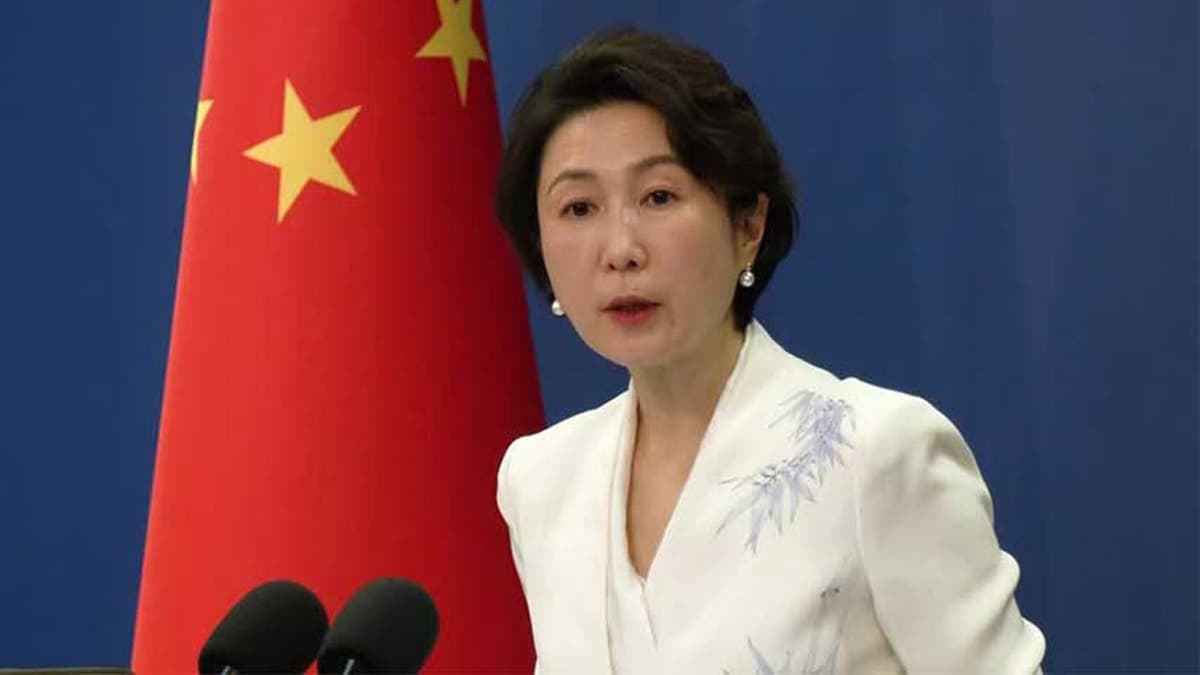
Asked about the report at a regular press briefing, Chinese foreign ministry spokesperson Mao Ning reiterated China’s longstanding position, saying the country opposes hacking and is against what it calls politically motivated disinformation.
In Washington, Chinese Embassy spokesman Liu Pengyu condemned the claims, calling them “unfounded speculation and accusations.”
Beijing has repeatedly denied involvement in cyberattacks attributed to groups operating from Chinese territory, saying it opposes all forms of hacking and cybersecurity threats.
The Financial Times report highlights rising concerns about the reach and potential impact of state‑linked cyber espionage, especially given the high sensitivity of communications handled by congressional staffers. Targets such as foreign affairs and intelligence committee aides often work with classified information or confidential policy discussions.
Security experts say that, even if lawmakers’ own accounts were not accessed, compromising staff e‑mail systems can yield valuable insight into legislative strategies, internal debates, and oversight activities related to national security and foreign policy.
This incident follows a separate cyber notification in November 2025, when the US Senate Sergeant at Arms alerted several offices to a “cyber incident” in which hackers may have accessed communications involving the Congressional Budget Office (CBO).
The alleged Salt Typhoon campaign — previously linked by U.S. officials to Chinese intelligence — has been a long‑standing concern for U.S. cybersecurity authorities. Some U.S. government sources have also warned that such groups could pre‑position themselves to disrupt critical infrastructure in the event of a major conflict.
At this stage, there is no official confirmation from U.S. government agencies about the extent of the alleged breach. Congressional committees targeted in the report have not publicly commented.