Chinese citizen journalist who filmed alleged Uyghur detention camps in 2020 faces US deportation risk
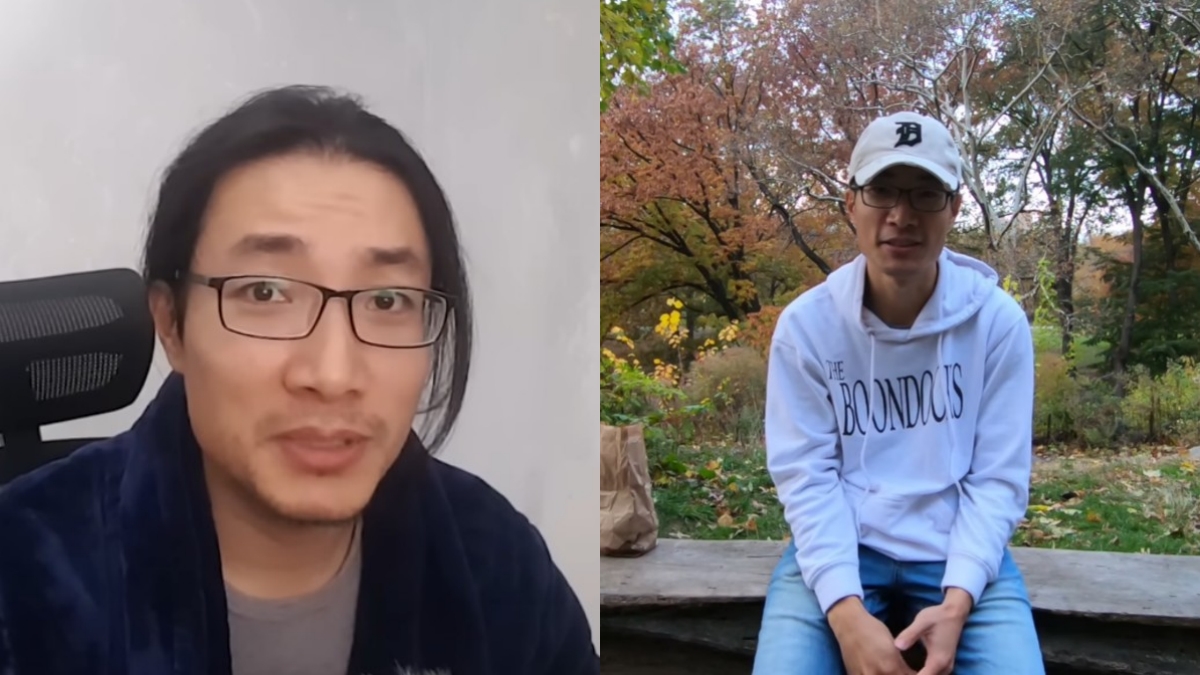
Chinese citizen journalist Guan Heng faces possible deportation from the United States, with rights groups warning he could be persecuted if returned to China over reporting on Xinjiang.
- Chinese citizen journalist Guan Heng faces possible removal from the United States after an immigration hearing in New York.
- Rights groups warn Guan could face persecution if returned to China over his reporting on Xinjiang.
- His lawyers are challenging a proposal that could see him transferred to Uganda while seeking asylum.
A Chinese citizen journalist who documented social issues in China, including alleged Uyghur detention facilities in Xinjiang, is facing possible deportation from the United States, raising alarm among press freedom and human rights advocates.
Guan Heng (关恒), 38, underwent an immigration hearing in New York on 15 December 2025 after being detained by US Immigration and Customs Enforcement in August, according to his family and legal representatives.
The case centres on his asylum application and the circumstances of his entry into the country.
According to a report by Agence France-Presse (AFP), the hearing concluded with a subsequent session scheduled for January. Guan remains in immigration detention while his legal options are assessed.
Family fears consequences of forced return to China
Guan’s mother, Luo Yun, told AFP she fears severe consequences if her son is forced to return to China.
Speaking in Chinese, she said she was deeply anxious about his safety and wellbeing.
“I’m really, really worried that things will be very bad for him if he is made to return,” Luo told AFP.
She added that remaining in the United States would at least offer him safety.
Guan’s lawyer, Chen Chuangchuang (陈光诚), said the journalist was detained over illegal entry into the United States but is seeking asylum based on fears of persecution. Chen said Guan has no criminal record and did not engage in criminal activity.
A judge is expected to consider whether Guan should be transferred to Uganda for the processing of his asylum claim.
Lawyer challenges potential transfer to Uganda
Uganda has agreed to accept certain deportees from the United States under existing arrangements.
Chen said he would challenge any attempt to send Guan to Uganda, arguing there is a significant risk that he could ultimately be returned to China from there. He said such an outcome would expose Guan to serious danger.
Concerns about Guan’s safety have been echoed by international human rights bodies.
The Tom Lantos Human Rights Commission warned in a statement published on X on Friday that Guan would likely be persecuted if returned to China.
“He should be given every opportunity to stay in a place of refuge,” the commission said, according to its statement.
Human rights groups warn of persecution risk
The Committee to Protect Journalists (CPJ) issued a strong condemnation on 17 December, criticising plans to deport Guan. The organisation described the case as a damaging blow to the United States’ reputation as a refuge for journalists.
“It is shameful that the Trump administration would consider deporting Guan to Uganda, putting him at risk of being returned to China,” said Katherine Jacobsen, CPJ’s US, Canada, and Caribbean programme coordinator, according to a CPJ statement.
Jacobsen added that the United States had historically served as a haven for journalists fleeing retaliation and warned that Guan’s case could signal a shift towards enabling transnational repression.
US authorities defend detention decision
In response, the Department of Homeland Security said Guan was encountered during a law enforcement operation.
Assistant secretary for public affairs Tricia McLaughlin told CPJ via email that ICE encountered Guan while assisting the FBI in executing a criminal search warrant.
McLaughlin said all of Guan’s claims would be heard before an immigration judge.
Chen told CPJ that Guan’s arrest was collateral and unrelated to any criminal conduct.
Guan gained attention for videos published on his YouTube channel documenting social and environmental issues in China.
Reporting on Xinjiang brought international attention
These included reports on heavy metal pollution and the alleged targeting of Uyghurs in Xinjiang.
In 2021, Guan released a 20-minute video identifying suspected detention facilities in Xinjiang.
The footage, filmed in 2020 and released in October 2021, was based on locations cited in news reports and provided rare visual documentation of the sites.
Guan left China after filming the videos and travelled through South America before eventually entering the United States. His Xinjiang video was published after his arrival.
According to CPJ data, at least 24 journalists are currently imprisoned in China for reporting related to the treatment of Uyghurs.
Beijing has been accused of detaining more than one million Uyghurs and other Muslims since 2017.
Case compared with other journalist deportations
The United Nations has previously said China’s actions in Xinjiang could constitute crimes against humanity.
China has strongly denied these allegations, stating its policies aim to counter extremism and promote economic development.
Guan’s case has drawn comparisons with other recent deportations of journalists from the United States.
Earlier this year, journalist Mario Guevara was deported to El Salvador after being detained and transferred to ICE custody.
Guevara had been in the country legally at the time of his arrest. The government argued that his livestreaming of law enforcement operations posed risks, despite a habeas brief claiming he was wrongfully detained.
An immigration judge approved Guevara’s deportation before his habeas case concluded, raising concerns among press freedom advocates about protections for journalists working in the United States.
Guan’s lawyers say his case underscores broader questions about asylum protections for journalists who document sensitive issues and flee their home countries in fear of retaliation.