Trump administration pauses all immigration applications from 19 countries citing security risks
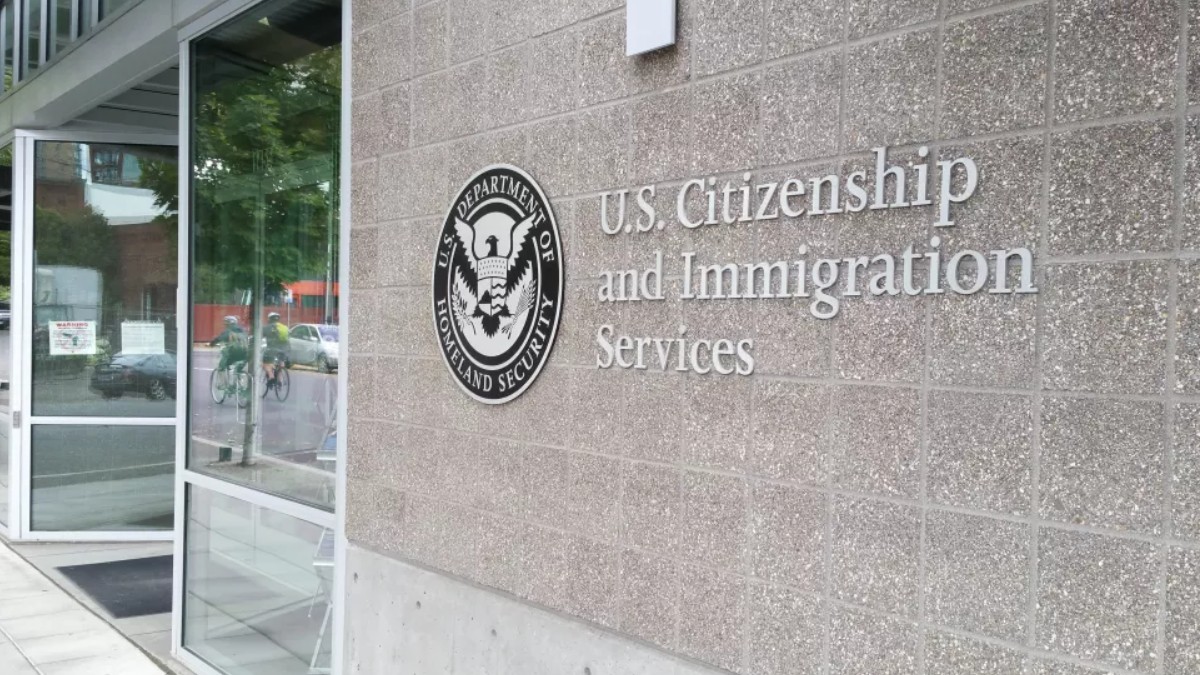
The Trump administration paused all immigration applications from 19 countries on 2 December 2025, citing national security concerns and ordering a full re-review of pending cases, according to a U.S. Citizenship and Immigration Services memorandum.
- The Trump administration has paused all immigration applications from 19 non-European countries, citing national security concerns.
- The directive follows a fatal attack on National Guard members in Washington, for which an Afghan man has been arrested.
- The policy expands earlier travel restrictions and signals a shift towards reshaping legal immigration procedures.
UNITED STATES: On 2 December 2025, the Trump administration announced a pause on all immigration applications, including green cards and US citizenship requests, filed by immigrants from 19 non-European countries.
According to a U.S. Citizenship and Immigration Services (USCIS) memorandum, the decision was taken on national security and public safety grounds.
The memo noted that USCIS accepted potential delays to pending applications due to what it termed the urgent need for “maximum” vetting and screening.
The pause applies to countries already subjected to a partial travel ban introduced in June, further tightening immigration controls.
According to the memorandum, the affected countries include Afghanistan, Somalia, Burma, Chad, the Republic of the Congo, Equatorial Guinea, Eritrea, Haiti, Iran, Libya, Sudan and Yemen.
These countries had faced some of the most stringent restrictions in June, including near-total suspensions of entry with limited exceptions.
The remaining countries on the list, which had faced partial restrictions, are Burundi, Cuba, Laos, Sierra Leone, Togo, Turkmenistan and Venezuela.
The memorandum says all pending applications from nationals of these states will undergo a “thorough re-review,” including potential interviews or re-interviews to assess possible security risks.
The document cited several recent crimes suspected to involve immigrants, including the attack on National Guard members in Washington last week.
Authorities have arrested an Afghan man as a suspect in that shooting, which killed one service member and left another critically injured.
The attack has intensified political debate in the United States and prompted a flurry of statements from senior officials.
In a recent interview with Newsmax, USCIS Director Joseph Edlow said he did not believe Afghan nationals who entered the United States after the 2021 withdrawal were “properly vetted.”
USCIS later posted on X that “nothing is off the table until every alien is vetted and screened to the maximum degree possible.”
Homeland Security Secretary Kristi Noem said on X that she had recommended to President Trump “a full travel ban on every damn country that’s been flooding our nation with killers, leeches, and entitlement junkies.”
President Trump has also intensified his rhetoric in recent days, including comments targeting Somalis, whom he described as “garbage” before adding that “we don’t want them in our country.”
Since returning to office on 20 January 2025, Trump has pursued an aggressive immigration agenda.
This has included deploying federal agents to major cities and turning away asylum seekers at the US-Mexico border, according to earlier administration briefings.
While the administration has frequently highlighted deportation operations, it had until now placed less emphasis on restructuring legal immigration pathways.
According to officials, the latest directive signals a shift towards broader immigration reform focused on security.
The administration has framed this approach as a corrective to the policies of former President Joe Biden.
Analysts note that the timing of the new restrictions, shortly after the National Guard attack, suggests the incident accelerated the administration’s planned measures.
The full implications of the pause remain uncertain, particularly for applicants already in the United States or awaiting adjudication abroad.
Immigration lawyers have warned that the freeze may result in prolonged backlogs and legal challenges, though such reactions have yet to be formally documented.