Trump unveils 'Most Favored Nation' deals with nine more drugmakers to cut prices
Trump has struck new pricing agreements with nine drugmakers, expanding his 'Most Favored Nation' policy to bring US drug prices in line with peer nations and launching TrumpRx, a discounted direct-to-consumer platform, alongside a US$150 billion investment commitment.
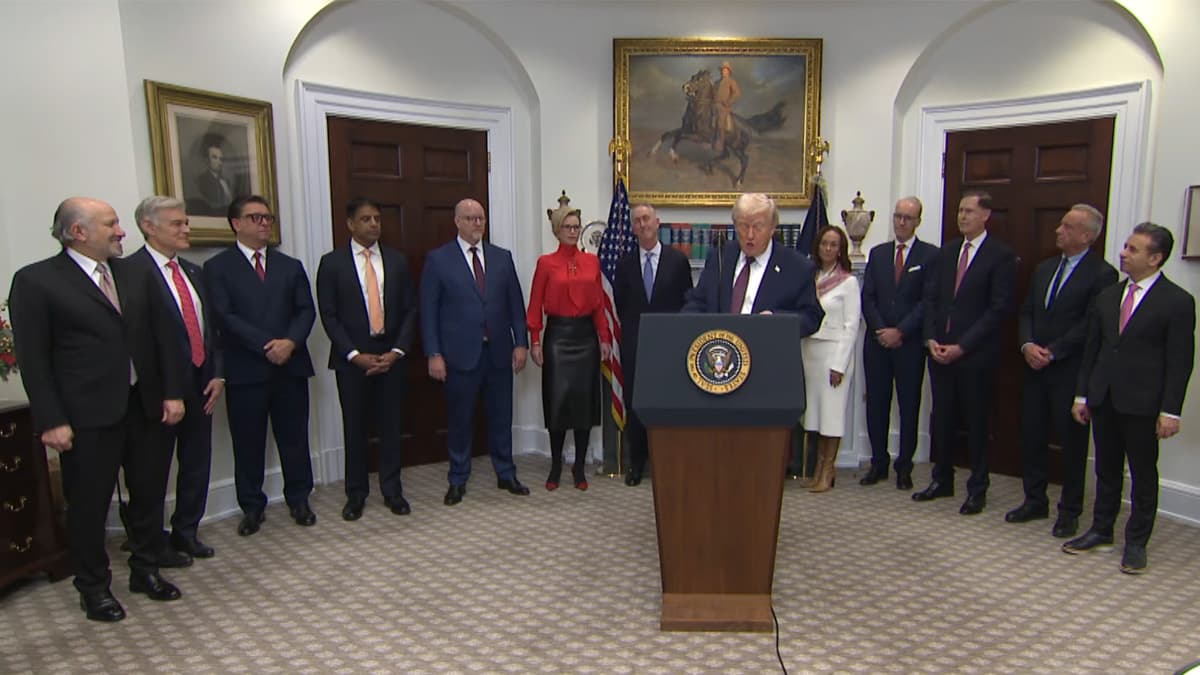
- Nine major pharmaceutical firms signed agreements with the Trump administration to adopt "Most Favored Nation" (MFN) pricing.
- Drug prices for Medicaid and TrumpRx platform users will be aligned with the lowest prices in peer countries.
- Companies commit over US$150 billion to US manufacturing and emergency drug stockpiles.
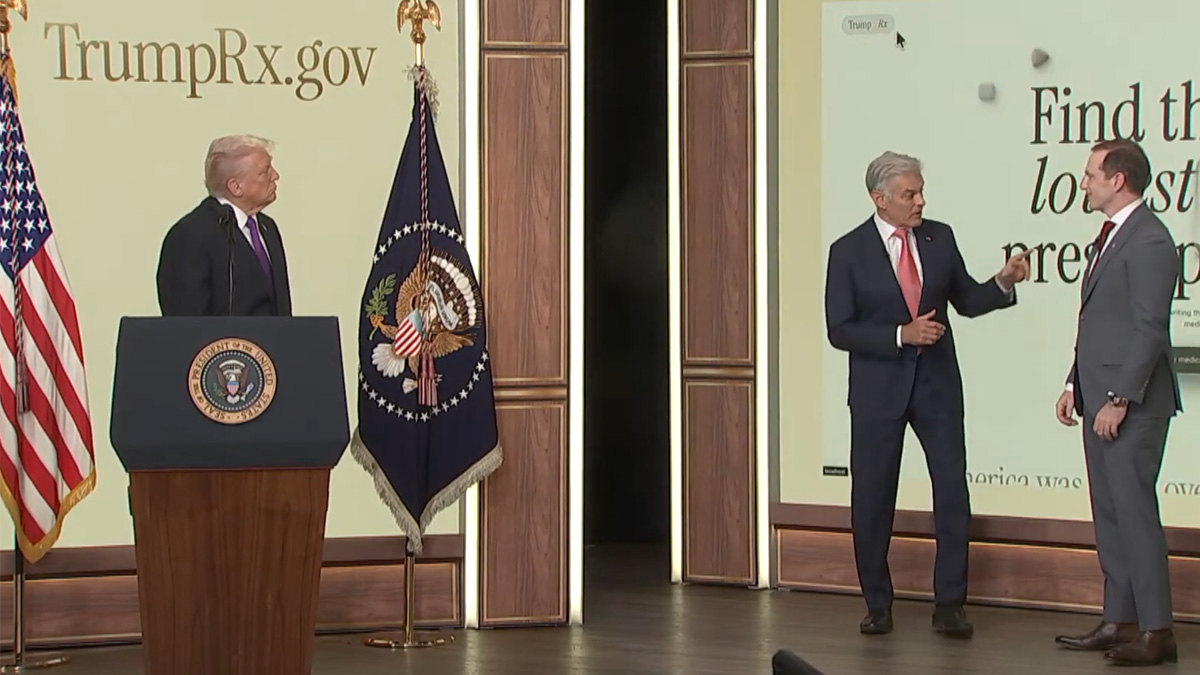
In a significant expansion of his administration's efforts to lower prescription drug prices, President Donald Trump on 19 December, 2025, announced new agreements with nine major pharmaceutical manufacturers under the “Most Favored Nation” (MFN) pricing initiative.
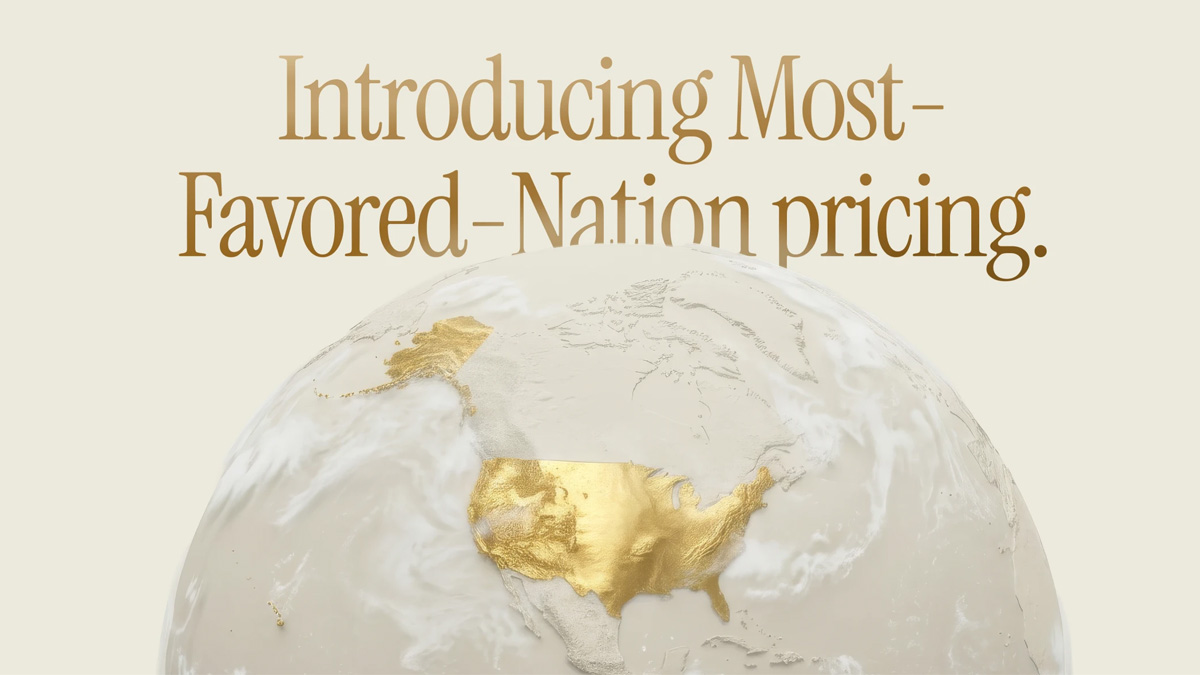
The voluntary deals require drugmakers to sell medications in the United States at prices no higher than the lowest rates charged in comparable developed nations.
The newly participating firms include Amgen, Boehringer Ingelheim, Bristol Myers Squibb, Genentech, Gilead Sciences, GSK, Merck, Novartis, and Sanofi. These companies produce medicines treating a wide range of chronic and acute conditions, including diabetes, asthma, HIV, hepatitis, multiple sclerosis, and several cancers.
Expanded MFN reach to Medicaid and TrumpRx
Under the agreements, the nine companies will provide all 50 state Medicaid programmes access to MFN drug prices, which the White House claims will save billions of dollars. The companies have also agreed to launch future medications at MFN prices in the US.
Further, a new direct-to-consumer portal named TrumpRx is set to launch in January 2026. On this platform, patients who pay cash without using insurance will gain access to discounted medications. According to a senior administration official, TrumpRx is central to efforts to bypass traditional pricing intermediaries and pass savings directly to patients.
Examples of anticipated price reductions via TrumpRx include:
-
Amgen’s Repatha (cholesterol): from US$573 to US$239.
-
Boehringer Ingelheim’s Jentadueto (type 2 diabetes): from US$525 to US$55.
-
Gilead’s Epclusa (hepatitis C): from US$24,920 to US$2,425.
-
Sanofi’s Plavix (blood thinner): from US$756 to US$16; insulin to be listed at US$35/month.
US$150 billion investment and stockpile support
In exchange for a three-year reprieve on certain pharmaceutical import tariffs, the companies have committed to invest over US$150 billion into US-based manufacturing and research and development.
Several have also pledged to bolster the national emergency pharmaceutical stockpile. Contributions include:
-
GSK: 98.8 kg of albuterol (asthma treatment).
-
Bristol Myers Squibb: 6.5 tons of apixaban (Eliquis).
-
Merck: 3.5 tons of ertapenem (broad-spectrum antibiotic).
These contributions aim to strengthen US national health security by reducing reliance on foreign-sourced active pharmaceutical ingredients (APIs), which currently make up a significant share of the drug supply chain.
Policy context and mixed expert reactions
The move comes after Trump signed the Executive Order “Delivering Most-Favored-Nation Prescription Drug Pricing to American Patients” on 12 May, 2025.
On 31 July, 2025, he issued letters to 17 drugmakers demanding price reductions aligned with peer nations. The first round of five agreements, including with Eli Lilly and Novo Nordisk for their weight loss drugs, was announced earlier this year.
A total of 14 deals have now been completed as of December 2025.
While the administration frames these actions as historic, health policy experts are divided on their likely impact. Chris Meekins of Raymond James noted that the agreements are “largely inconsequential” to pharmaceutical firms' bottom lines and may not result in substantial price reductions for the majority of Americans.
TrumpRx may benefit patients paying out of pocket—especially for weight loss drugs like Wegovy and Zepbound, which are not broadly covered by insurers—but most Americans are expected to find better pricing via their insurance coverage.
Despite the limitations, the deals offer a partial breakthrough in negotiating drug prices, long seen as a politically intractable issue in the US.
The Trump administration has positioned these deals as a fulfilment of long-standing campaign promises to stop foreign nations from benefiting from lower drug prices subsidised by higher US rates. On 1 December, 2025, the US also reached an agreement with the United Kingdom to raise UK drug prices by 25%, a move aimed at levelling international price disparities.
However, critics note that only a limited number of drugs are currently covered under the agreements, and that the true long-term benefits will depend on continued implementation and enforcement.