US detains casino tycoon alleged mother-in-law of Taiwanese actress Pace Wu over Saipan casino project
Cui Lijie, a Chinese national and former major shareholder of Imperial Pacific International Holdings, has been detained by US Immigration and Customs Enforcement (ICE) in Saipan over suspected immigration violations, reopening scrutiny over a once high-profile casino project that collapsed amid legal and financial controversy.
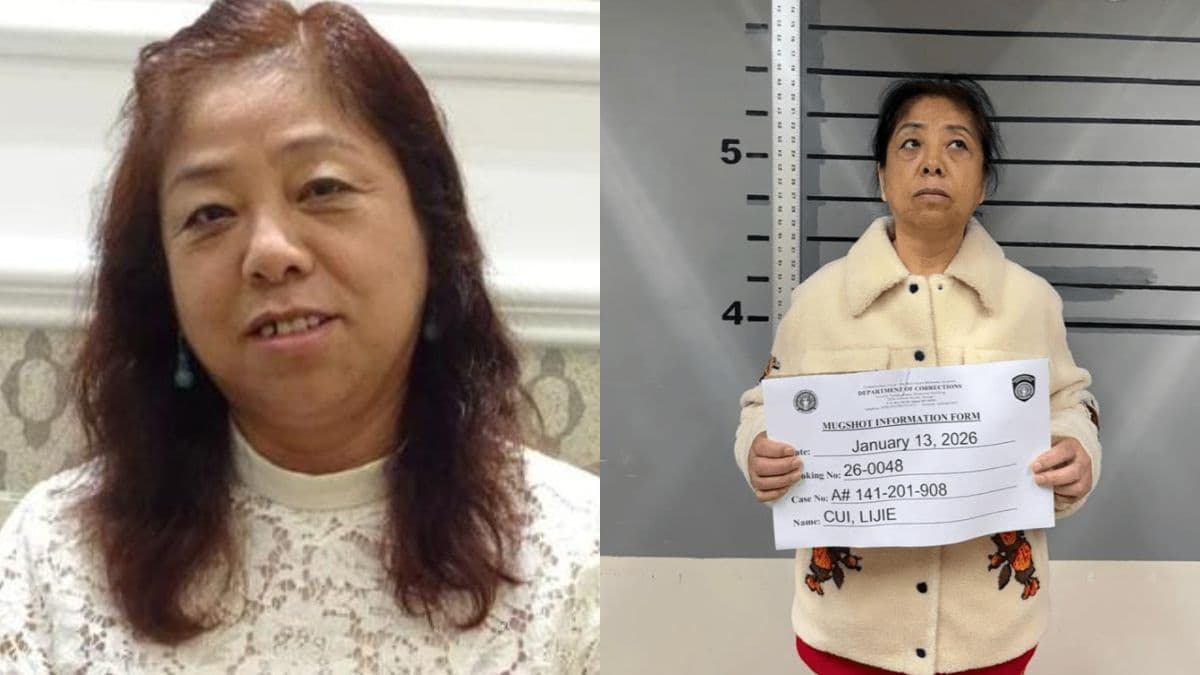
- Cui Lijie, a key figure behind Saipan’s Imperial Pacific casino project, has been detained by US immigration authorities over suspected violations.
- She is closely linked to Ji Xiaobo, whose family members have been convicted in a criminal syndicate case in China.
- The Saipan casino project collapsed after years of controversy, investigations and mounting debt, eventually filing for bankruptcy in 2024.
UNITED STATES: Cui Lijie (崔丽杰), a 68-year-old Chinese national and a key figure behind a controversial luxury casino project on the US Pacific island of Saipan, has been detained by US Immigration and Customs Enforcement (ICE), according to media reports.
She was taken into custody on 13 January, local time, by ICE’s Enforcement and Removal Operations unit.
Cui is currently being held at a correctional facility in Susupe village.
US authorities have not publicly disclosed details regarding the alleged immigration violations that led to her detention, and no formal charges have been announced as of now.
Her detention has drawn attention due to her long-standing involvement in the regional gaming industry and her connection to one of Saipan’s most contentious casino developments.
Family Links to Gaming Industry Figures
Cui is the mother of Ji Xiaobo (纪晓波), a businessman previously active in the gaming sector, and the “mother-in-law” of actress Pace Wu (吴佩慈), who shares four children with Ji.
However, there is no official public record confirming that Pace Wu and Ji Xiaobo are legally married.
Ji Xiaobo has also been linked to criminal investigations in China. On 24 November 2023, the Beijing No.1 Intermediate People’s Court released a notice stating that a criminal syndicate led by Ji had been dismantled.
Ji’s aunt, Cui Limei, identified as a principal member of the syndicate, was sentenced to eight years and six months in prison and fined 200,000 yuan (about US$28,700).
Ji Xiaobo himself is to be dealt with in a separate case, though authorities have not confirmed whether he has been apprehended.
Rise and Collapse of Imperial Pacific
Long based in Hong Kong, Cui Lijie was a major shareholder of Imperial Pacific International Holdings Ltd, the company behind the Imperial Pacific Palace casino project in Saipan.
The firm entered the Saipan market in July 2014 after securing an exclusive licence from the local lottery commission to develop and operate an integrated resort casino.
In August 2015, Cui increased her stake by 100 million shares, raising her ownership to 64.37 per cent and becoming the company’s largest shareholder.
Cui and her son had initially built their fortunes in Macao’s gaming junket sector before expanding into casino operations.
The family invested approximately US$600 million into the Imperial Pacific Palace casino and an adjoining beachfront hotel project.
However, the project soon became mired in controversy.
Legal Troubles and Bankruptcy
A 2018 investigation alleged that the casino had illegally employed large numbers of Chinese nationals on tourist visas, violated workplace safety regulations, and funnelled millions of US dollars in bribes to local officials and their relatives.
These allegations significantly damaged the project’s standing and operations.
The casino ceased operations in March 2020.
In April 2024, Imperial Pacific filed for bankruptcy protection, reporting liabilities of about US$165.8 million.
The company has since collapsed, marking one of the most prominent business failures in Saipan’s recent history.
Cui’s detention comes against this backdrop of unresolved legal, financial and regulatory issues tied to the once-ambitious casino venture.