US seizes Venezuela-linked oil tankers after Maduro arrest, escalates oil pressure campaign
The United States has seized two Venezuela-linked oil tankers in the Atlantic, escalating its oil pressure campaign after the arrest of President Nicolas Maduro and signalling a shift towards controlled Venezuelan crude exports under US oversight.
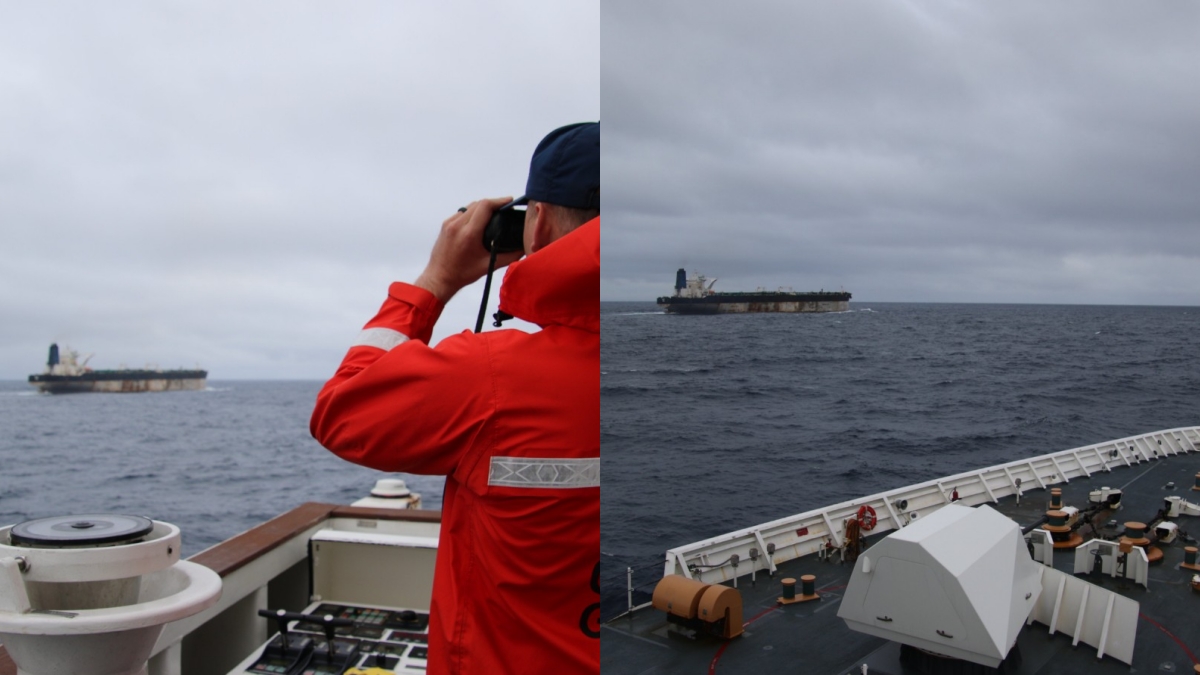
- The United States seized two Venezuela-linked oil tankers in the Atlantic on 7 January 2026, intensifying enforcement of oil sanctions.
- The actions follow the US military capture of President Nicolas Maduro in Caracas and form part of a broader strategy to control Venezuelan oil revenues.
- Washington signalled a partial rollback of sanctions to allow selected Venezuelan crude sales under US oversight, drawing global criticism.
UNITED STATES: The United States seized two Venezuela-linked oil tankers in the Atlantic Ocean on 7 January 2026, escalating a campaign to enforce sanctions and control oil flows linked to Venezuela following the arrest of President Nicolas Maduro.
One of the tankers was sailing under Russia’s flag at the time of seizure, raising concerns about possible confrontation with Moscow, which has condemned recent US actions involving Venezuela.
The seizures come days after US forces captured Maduro in a military raid on Caracas, a move that has stunned allies and rivals alike and marked a dramatic escalation in Washington’s long-running standoff with Venezuela’s socialist leadership.
According to US officials, the Coast Guard and US military special forces apprehended the crude oil tanker Marinera after a weeks-long pursuit across the Atlantic, acting under a judicial seizure warrant.
The vessel, formerly known as the Bella-1, had refused boarding in December before switching its registration to Russia’s flag, officials said, describing the manoeuvre as an attempt to evade sanctions enforcement.
Russian military presence raises escalation fears while US claims tanker falsely posed as Russian
US Vice President JD Vance said the tanker had falsely presented itself as Russian to avoid seizure.
“They basically tried to pretend to be a Russian oil tanker in an effort to avoid the sanctions regime,” he said in excerpts from an interview with Fox News.
At the time of the operation, a Russian submarine and several vessels were reported to be in the vicinity, heightening fears of miscalculation amid already strained relations over the war in Ukraine.
Earlier the same day, the US Coast Guard intercepted another tanker, the Panama-flagged M Sophia, near the northeast coast of South America, marking the fourth tanker seizure in recent weeks.
US officials said the M Sophia was fully loaded with Venezuelan crude, according to shipping records from state oil company PDVSA, while the Marinera was empty at the time of capture.
Washington targets ‘shadow fleet’ oil trade
Both vessels were described by Washington as part of a “shadow fleet” used to transport sanctioned oil from Venezuela and Iran through deceptive ownership structures and false flags.
Stephen Miller, deputy White House chief of staff, said the administration would only permit maritime energy transport aligned with American law and national security interests.
“There is unlimited economic potential for the Venezuelan energy sector through legitimate and authorised commercial avenues established by the US,” Miller said in a statement.
Attorney General Pam Bondi said the Marinera’s crew made “frantic efforts to avoid apprehension” and failed to comply with Coast Guard orders, adding that criminal charges are expected.
China condemns US actions as ‘bullying’
China sharply criticised Washington’s actions. Foreign Ministry spokesperson Mao Ning said the US use of force and demands over Venezuela’s oil resources amounted to “typical acts of bullying”.
Trump has repeatedly stated that the US intends to exert control over Venezuela’s vast oil reserves, working with American energy companies after what he has described as the removal of a “drug-trafficking dictator”.
Venezuela’s interior minister Diosdado Cabello said late on Wednesday that 100 people were killed during the US military operation to capture Maduro, a claim not independently verified.
Trump said Venezuela would use proceeds from oil transactions with the US to purchase American goods, including agricultural products and medicine.
“In other words, Venezuela is committing to doing business with the United States of America as their principal partner,” Trump said on social media.
Delcy Rodriguez balances defiance and engagement
Maduro’s Socialist Party allies remain in power, with Acting President Delcy Rodriguez balancing denunciations of Maduro’s “kidnapping” against tentative engagement with Washington under explicit threats of further military action.
Rodriguez is herself under US sanctions, and officials have identified her foreign financial assets as potential leverage, according to a person briefed on administration thinking.
Senior officials, including Secretary of State Marco Rubio and Secretary of Defense Pete Hegseth, held classified briefings for members of Congress, with Democrats demanding greater transparency.
“They are proposing to steal Venezuela’s oil, at gunpoint, and use that leverage, forever, to run the country,” Democratic Senator Chris Murphy said.
US asserts control over Venezuela’s oil sales
Vance suggested the US would directly determine whether Venezuela could sell its oil.
“We control the energy resources,” he said, outlining conditions tied to American national interests.
Trump said the US plans to refine and sell up to 50 million barrels of Venezuelan crude currently stranded under sanctions, as part of a partial rollback of restrictions imposed in 2019.
White House Press Secretary Karoline Leavitt said sanctions were being “selectively rolled back” to enable the plan, while Rubio said the oil would be sold at market rates rather than discounted prices.
PDVSA confirmed it was negotiating with Washington, stating that discussions were based on “strictly commercial transactions” that are legal and transparent.
However, the Financial Times reported that US oil companies remain cautious, citing policy volatility and seeking strong guarantees before committing investment.
Global oil prices fell following news of the plan, amid expectations of increased supply entering the market.
China, Russia and leftist allies of Venezuela have condemned the US actions, while some US partners have expressed unease over the precedent of seizing a foreign head of state.