Zohran Mamdani sworn in as New York mayor with promise of radical change
Zohran Mamdani assumed office as New York City’s mayor with dual swearing-in ceremonies and immediate executive action, revoking recent orders by former mayor Eric Adams. His administration begins with promises of expansive, democratic socialist reform.
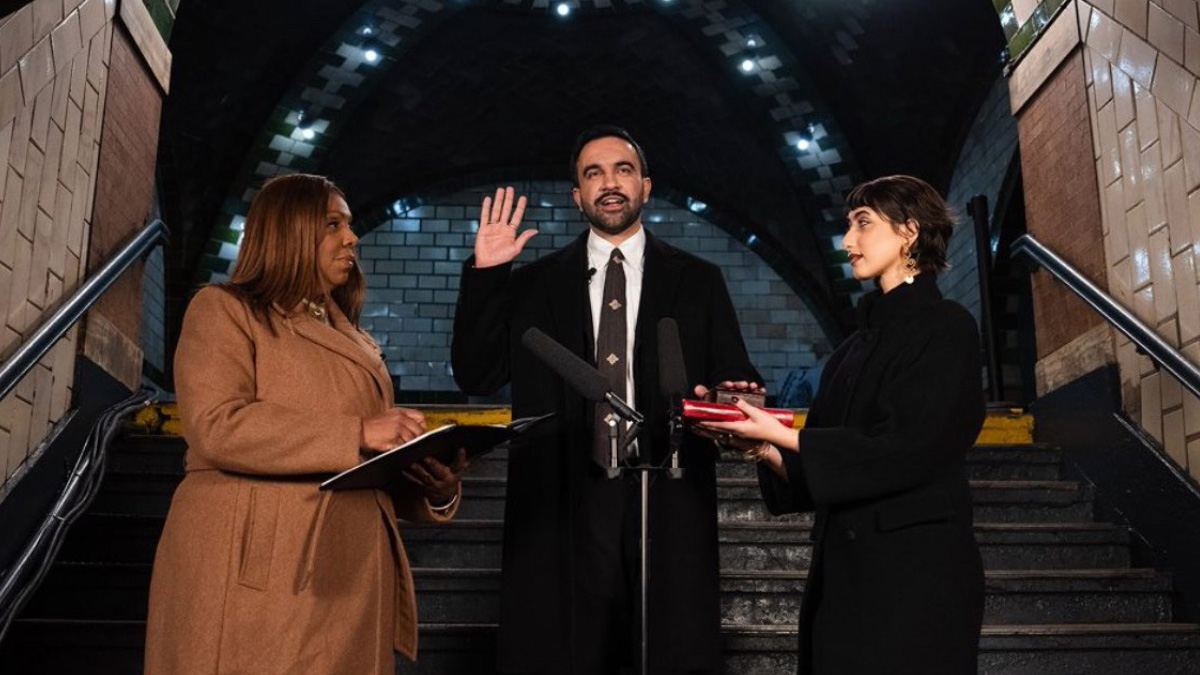
- Zohran Mamdani was sworn in as New York City mayor in a symbolic midnight ceremony, followed by a public event with national political allies.
- He signed Executive Order No. 1 to revoke late-term orders by predecessor Eric Adams, signalling a sharp policy reset.
- Mamdani promised bold reforms on transit, housing, and childcare, facing both optimism and institutional resistance.
Zohran Mamdani was officially sworn in as mayor of New York City shortly after midnight on 1 January, 2026, in a private ceremony held in the city’s historic, decommissioned City Hall subway station.
The oath was administered by New York Attorney General Letitia James. Mamdani was joined by his wife, Rama Duwaji, and family members including film-maker Mira Nair and Columbia University professor Mahmood Mamdani.
In a gesture honouring his Muslim faith, the 34-year-old former state assemblyman placed his hand on two Qur’ans — one belonging to his grandfather and another that had belonged to writer Arturo Schomburg, on loan from the New York Public Library.
A public swearing-in followed at 1pm outside City Hall, where Mamdani was introduced by Bronx congresswoman Alexandria Ocasio-Cortez and sworn in by Senator Bernie Sanders. The inauguration culminated in a city block party along Broadway.
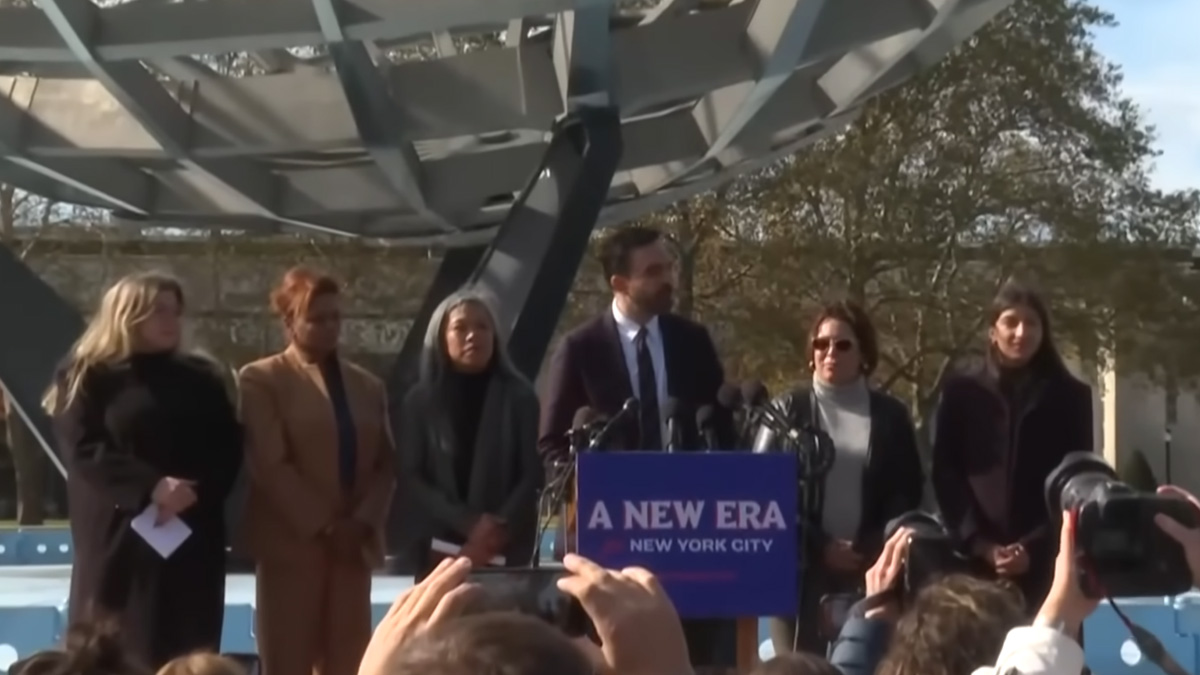
“This is truly the honour and the privilege of a lifetime,” Mamdani said. “I was elected as a democratic socialist and I will govern as a democratic socialist. I will not abandon my principles for fear of being deemed radical”.
In one of his first official acts, Mamdani signed Executive Order No. 1. The order revokes all executive orders issued by former Mayor Eric Adams on or after 26 September, 2024, which were still in effect as of 31 December, 2025.
According to the text, orders issued before that date remain active unless explicitly revoked, revised, or replaced.
The directive, which took effect immediately, preserves emergency executive orders under Section 24 of the Executive Law if they were active as of 1 January, 2026.
This legal step marks a clear administrative break from Adams’s final months in office, enabling Mamdani to start with a clean slate and assert control over policy continuity.
In his inauguration speech, Mamdani condemned what he called a long-standing acceptance of mediocrity in governance. Rejecting calls to temper expectations, he said:
“Beginning today, we will govern expansively and audaciously. We may not always succeed, but never will we be accused of lacking the courage to try”.
Bernie Sanders praised Mamdani’s ascent as a democratic socialist as “the biggest political upset in modern American history,” warning, however, that grassroots mobilisation would need to persist for real change to occur.
Mamdani’s rise began with an unexpected primary victory against former governor Andrew Cuomo, who later ran as an independent. Outgoing mayor Eric Adams, under federal investigation at the time, declined to seek re-election.
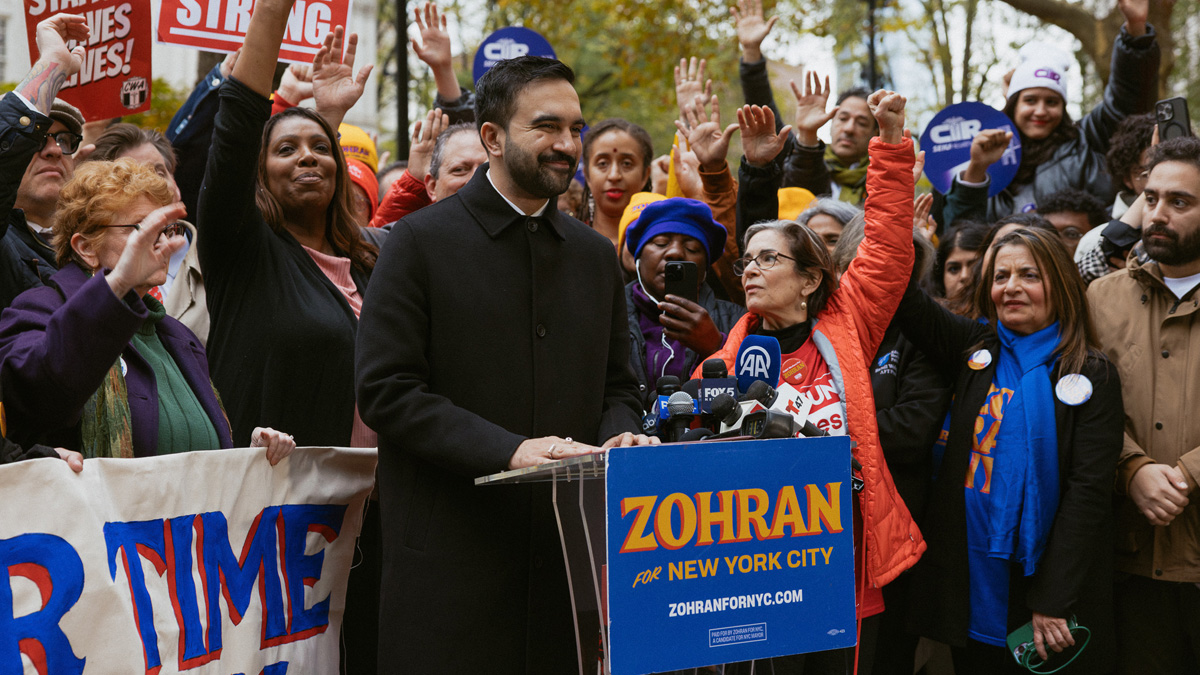
Mamdani ultimately secured 50.78% of the vote in the general election, defeating both Cuomo and Republican Curtis Sliwa. His campaign, powered by over 100,000 volunteers, focused on affordability, rent freezes, city-run grocery stores, free public transit, and the creation of a Department of Community Safety for mental health programmes.
He has already appointed city planner Mike Flynn as transportation commissioner, with a stated goal of making New York’s public transit “the envy of the world”.
Flynn called the position “the job of a lifetime”, joining a cabinet intended to reflect Mamdani’s working-class, progressive vision.
Despite broad support, Mamdani’s policy goals face structural resistance.
His promise of free universal childcare and citywide free buses would require extensive cooperation from the state government and ongoing funding. Governor Kathy Hochul supports key initiatives such as childcare, but opposes raising income taxes on the wealthy to finance them.
Efforts to freeze rents across more than a million stabilised units must also pass through the city’s Rent Guidelines Board. In a final move before leaving office, Adams appointed several new members to the board, possibly slowing Mamdani’s housing agenda.
Nevertheless, Mamdani remains well-positioned to eventually reshape the board, as most appointments will expire during his term.
He enters office with endorsements from Governor Hochul, Assembly Speaker Carl Heastie, and Senate Majority Leader Andrea Stewart-Cousins — a political trifecta often seen as essential for Albany cooperation.
Another unexpected development came from the federal level.
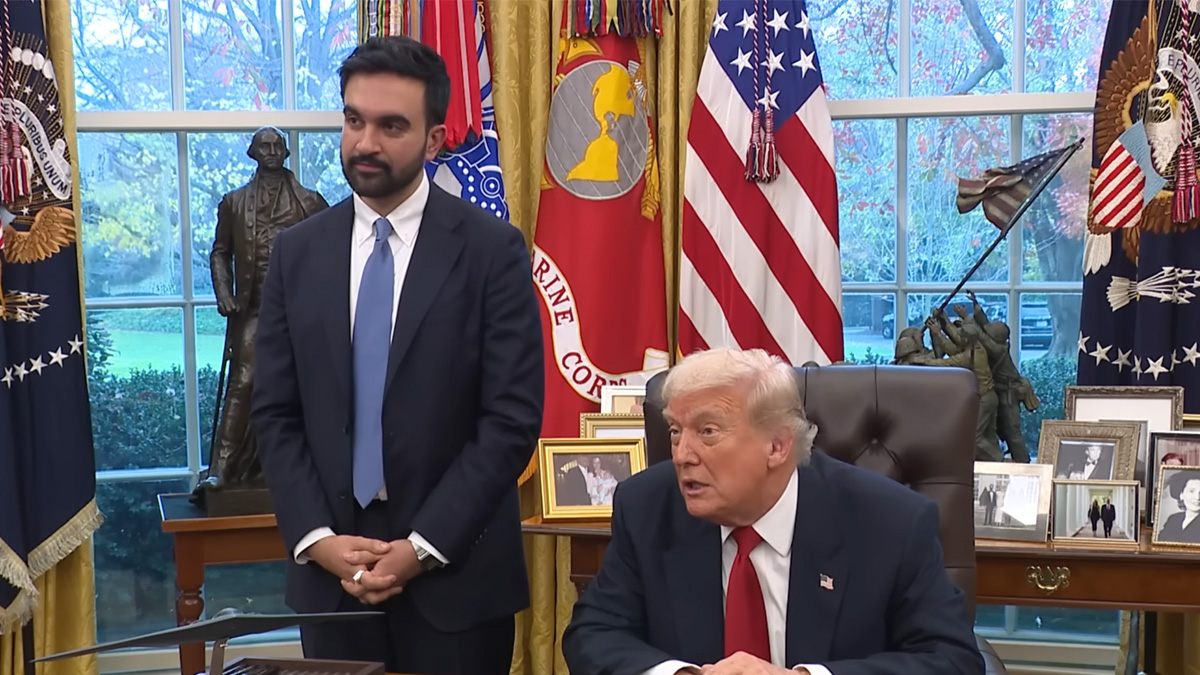
Despite fierce opposition during the campaign, President Donald Trump changed course after Mamdani’s victory, saying during a White House meeting: “I expect to be helping him, not hurting him”.
Still, Trump’s past behaviour — including freezing infrastructure funds during budget disputes — suggests that federal cooperation remains fragile.
Experts are cautiously optimistic about Mamdani’s potential.
Columbia historian Professor Kim Phillips-Fein noted that many of his proposals have precedent in New York’s past, including rent regulation and expanded early education.
Harvard’s Professor Justin de Benedictis-Kessner observed that city governments, more than national ones, are capable of delivering major reform under the right leadership.
Dr Nicole West Bassoff of the University of Virginia remarked that Mamdani’s ability to capture headlines and shift focus away from national polarisation made him a rare political figure suited to the post-Trump era.
Whether Mamdani’s transformative platform can survive institutional headwinds will depend on his ability to convert campaign momentum into sustainable governance — and to keep his grassroots coalition engaged throughout his term.