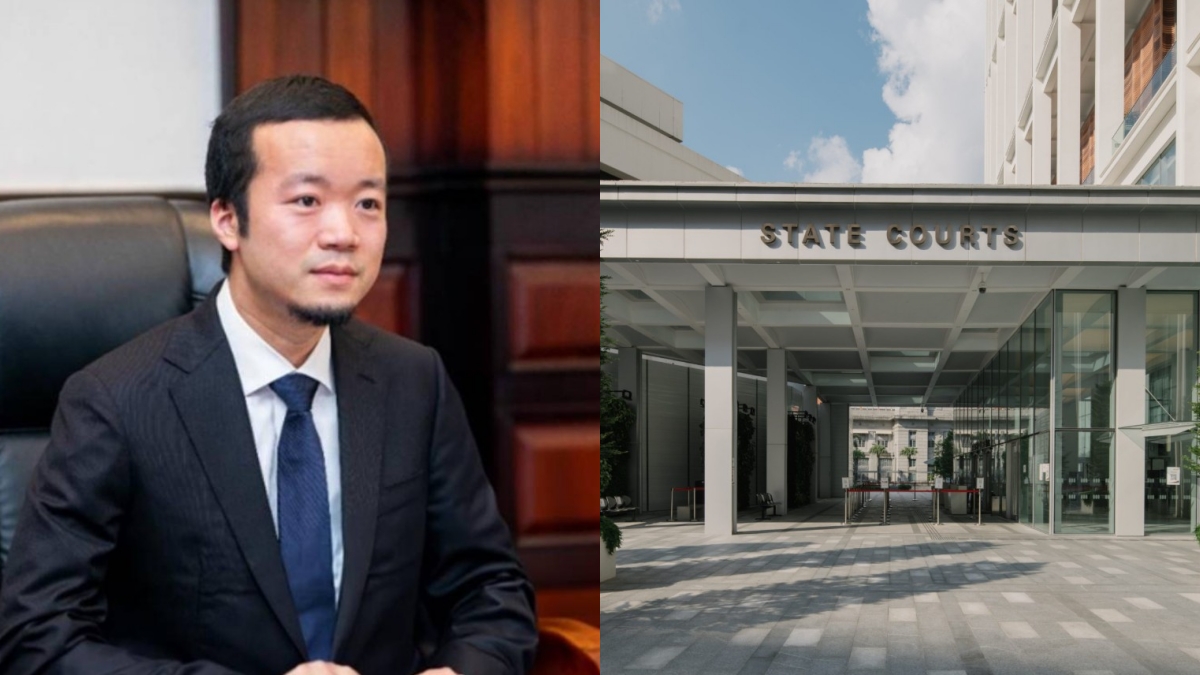
Cambodian central bank orders liquidation of Prince Bank linked to accused scam boss Chen Zhi
Cambodia’s central bank has ordered the liquidation of Prince Bank, founded by accused scam boss Chen Zhi, following his extradition to China and US fraud charges linked to billions of dollars.
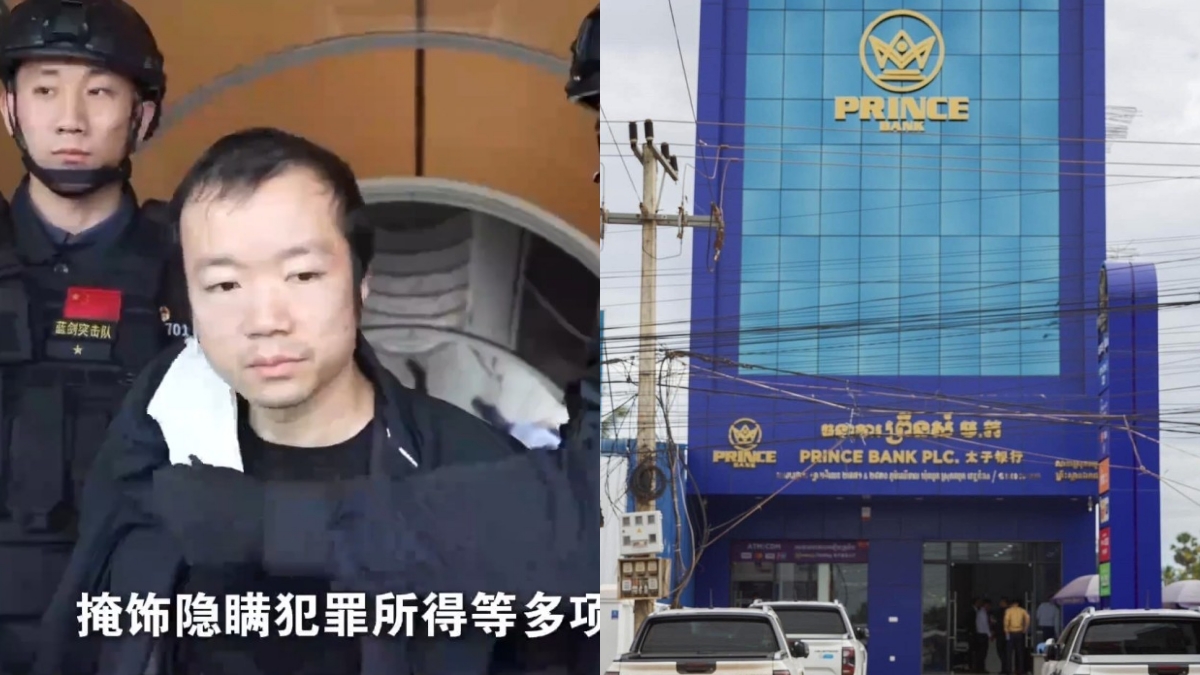
- Cambodia’s central bank has ordered the liquidation of Prince Bank, linked to accused scam boss Chen Zhi.
- Chen was recently extradited to China and has also been indicted in the United States over multibillion-dollar fraud allegations.
- Regulators said depositors can withdraw funds normally, while borrowers must continue servicing loans.
PHNOM PENH: Cambodia’s central bank has ordered the liquidation of Prince Bank, a financial institution founded by accused scam boss Chen Zhi, following international indictments and his recent extradition to China.
In a statement issued on 8 January 2026, the National Bank of Cambodia (NBC) said Prince Bank “has been placed under liquidation in accordance with the laws of the Kingdom of Cambodia”.
The NBC said the bank has been suspended from providing new banking services, including accepting deposits and extending credit, with immediate effect.
The central bank added that it has appointed auditing firm Morisonkak MKA as the official liquidator to oversee the winding up of the bank’s operations.
According to the NBC, customers who hold deposits with Prince Bank are still able to withdraw their money by preparing the necessary documentation.
Borrowers, meanwhile, “must continue to fulfil their obligations as normal”, the statement said, indicating that existing loan agreements remain enforceable during the liquidation process.
Prince Bank is a subsidiary of Prince Holding Group, one of Cambodia’s largest conglomerates, founded by Chen. The group has significant interests across banking, real estate, hospitality, and consumer services.
The bank reported assets under management of about US$1 billion, according to information published on its official website prior to the liquidation order.
Chen, who was born in China, has been at the centre of international scrutiny over alleged involvement in large-scale cyberfraud and organised crime activities across Southeast Asia.
In October, authorities in Washington and London imposed sanctions on Chen, accusing him of directing extensive online fraud operations.
According to US authorities, those operations involved hundreds of trafficked workers forced to run online scams from compounds in Cambodia and elsewhere in the region.
Cambodian authorities announced earlier this week that Chen and two other Chinese nationals were arrested and extradited to China on Tuesday.
The interior ministry said the operation was carried out at the request of Chinese authorities after months of investigative cooperation between the two countries.
According to reports by China’s state media, police investigations found that the criminal group was suspected of running illegal casinos, committing fraud, conducting unauthorised business operations, and concealing or disguising criminal proceeds.
China’s Ministry of Public Security said investigations into the related cases are ongoing and that further details will be released as inquiries progress.
A senior official from the ministry said authorities would soon publicly announce the first batch of wanted notices targeting core members of the criminal syndicates.
The official also warned suspects to surrender voluntarily, saying those who turn themselves in may receive more lenient treatment under Chinese law.
In the United States, Chen has been indicted on wire fraud and money laundering conspiracy charges.
If convicted, he faces up to 40 years in prison, according to court documents.
US prosecutors allege the case involves approximately 127,271 bitcoin seized by authorities, valued at more than US$11 billion at current prices.
Prince Holding Group has previously denied all allegations against Chen, stating that the conglomerate and its subsidiaries operate lawfully and independently of any alleged criminal activities.
Cambodian officials have also rejected allegations of government involvement or protection of scam operations.
They have said authorities are stepping up efforts to dismantle fraud networks and address human trafficking linked to scam compounds.
However, Amnesty International said last year that human rights abuses in Cambodia’s scam hubs were occurring on a “mass scale”.
The rights group added that the government’s weak response raised serious concerns about possible complicity or failure to protect victims.