China executes 11 linked to Myanmar-based Ming family syndicate tied to killings and US$1.4bn fraud
China has executed 11 members of a Myanmar-based criminal syndicate involved in telecom fraud and violent crimes, after the Supreme People’s Court upheld death sentences linked to killings and large-scale financial fraud.
- China executed 11 people linked to a Myanmar-based crime syndicate involved in telecom fraud and violent crimes.
- Courts found the group responsible for multiple offences, including killings that led to 14 Chinese deaths.
- The case highlights Beijing’s intensified crackdown on cross-border scam operations in Southeast Asia.
CHINA: China executed 11 people linked to criminal gangs operating in northern Myanmar on 29 January 2026, according to state media. The individuals were described as key members of a syndicate involved in telecom fraud and related violent crimes.
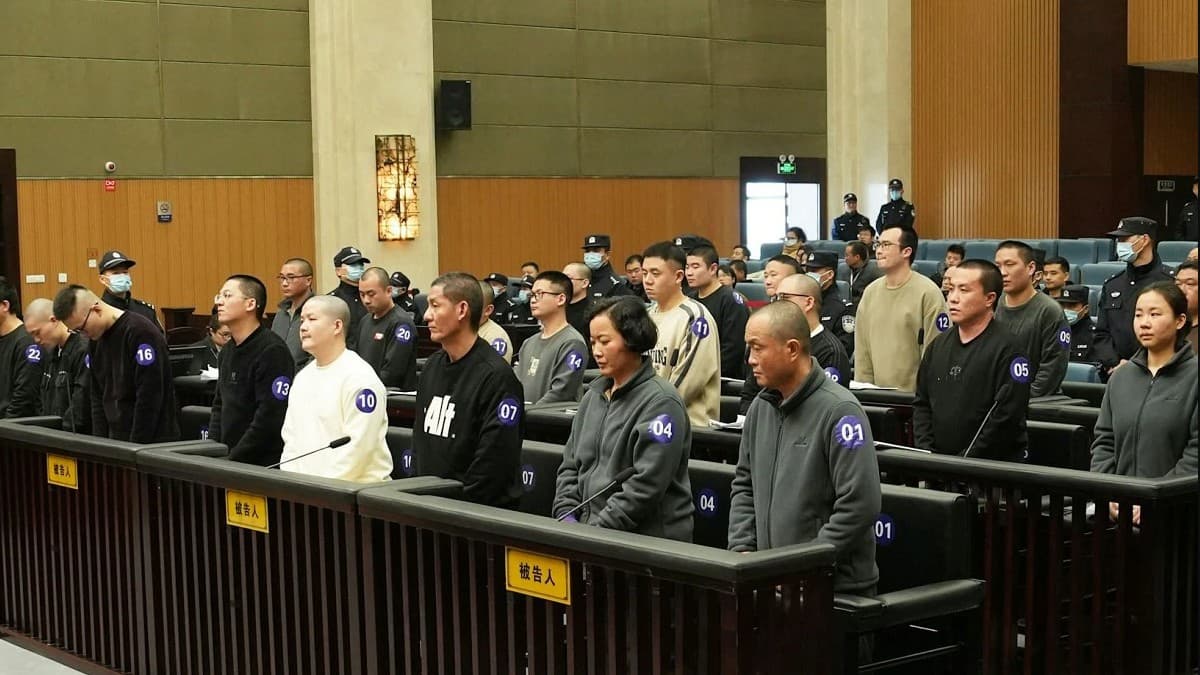
According to Xinhua, the executions were carried out after the defendants were sentenced to death by the Wenzhou Intermediate People’s Court in Zhejiang Province in September 2025.
The sentences were later approved by the Supreme People’s Court.
State broadcaster CCTV reported that those executed were members of the Myanmar-based “Ming family criminal group”.
The syndicate’s activities were linked to the deaths of 14 Chinese citizens and injuries to several others.
The 11 defendants were accused of organising, leading or participating in a wide range of offences. These included intentional homicide, intentional injury, illegal detention, fraud and operating illegal casinos, amounting to more than 10 criminal charges.
Key figures named in court rulings
The Wenzhou court named several leading figures among those sentenced to death. They included Ming Guoping, Ming Zhenzhen, Zhou Weichang, Wu Hongming, Wu Senlong and Fu Yubin, along with five other individuals.
Some of the defendants appealed their sentences. However, the Zhejiang Higher People’s Court rejected the appeals on 25 November 2025 and upheld the original verdicts, according to CCTV.
China’s Supreme People’s Court subsequently reviewed the case and confirmed the death sentences. It found that the criminal activities dated back to 2015 and were supported by clear and sufficient evidence.
According to the top court, the Ming family criminal gang established multiple compounds in the Kokang region of northern Myanmar. The group recruited financiers and employed armed protection to facilitate telecom fraud and illegal gambling.
Billions in illicit funds and violent enforcement
The operations involved more than 10 billion yuan, or about US$1.4 billion, in illicit funds. Authorities said the scale and organisation of the crimes posed a serious threat to public safety.
The Supreme People’s Court stated that the gang also colluded with other telecom fraud groups. These groups deliberately killed, injured and illegally detained people connected to fraud operations.
The court concluded that the defendants committed extremely serious violent crimes. It said the circumstances were particularly egregious, the consequences severe and the sentencing appropriate under Chinese law.
After receiving the execution orders from the Supreme People’s Court, the Wenzhou Intermediate People’s Court carried out the executions in accordance with the law. Close relatives of the convicted individuals were allowed to meet them beforehand, state media reported.
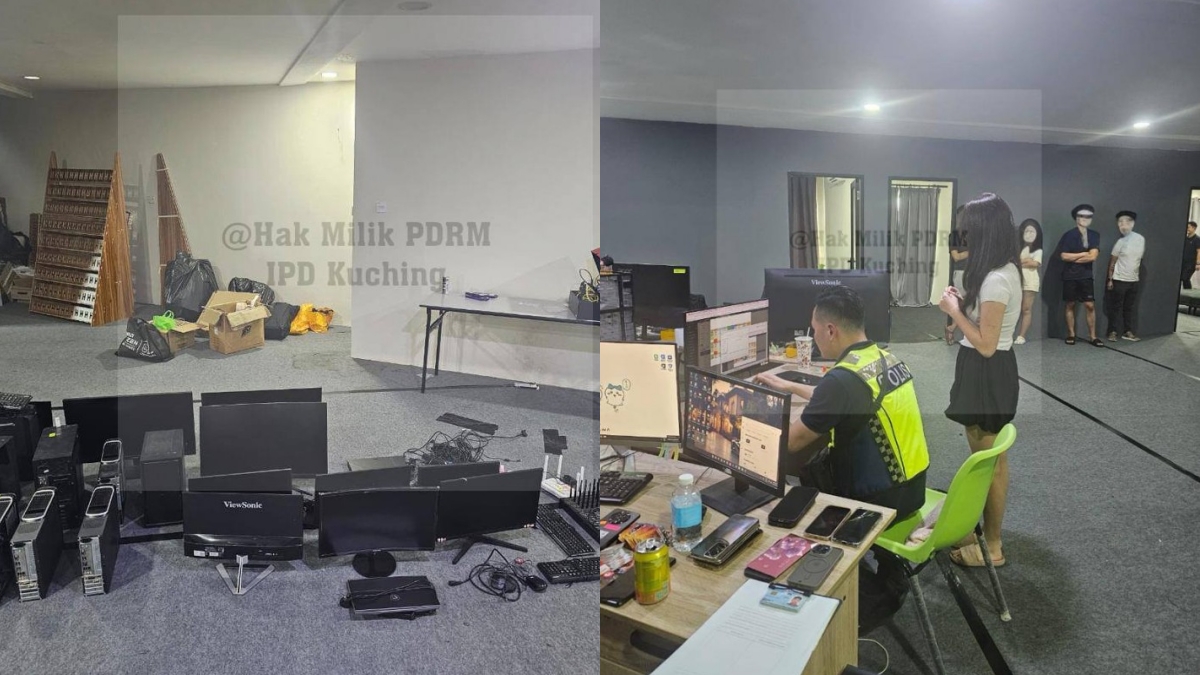
Fraud compounds have proliferated in Myanmar’s lawless border areas in recent years.
These regions have become hubs for a multibillion-dollar illicit industry centred on online scams and illegal gambling.
The centres are often staffed by foreigners, including large numbers of Chinese nationals. Many have said they were trafficked or coerced into carrying out online fraud schemes.
Regional crackdowns and repatriations
Chinese authorities have highlighted links between these operations and organised crime groups working with local armed militias. State media reports have said many centres are run by Chinese-led syndicates.
Beijing has stepped up cooperation with Southeast Asian countries to dismantle the networks.
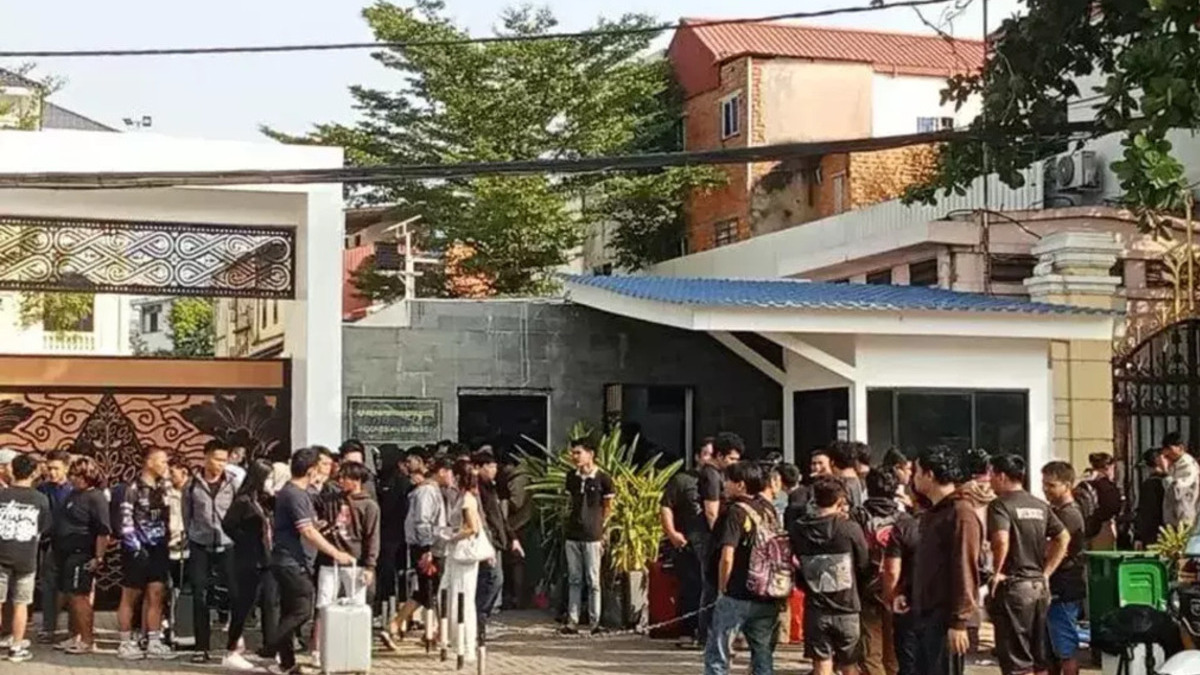
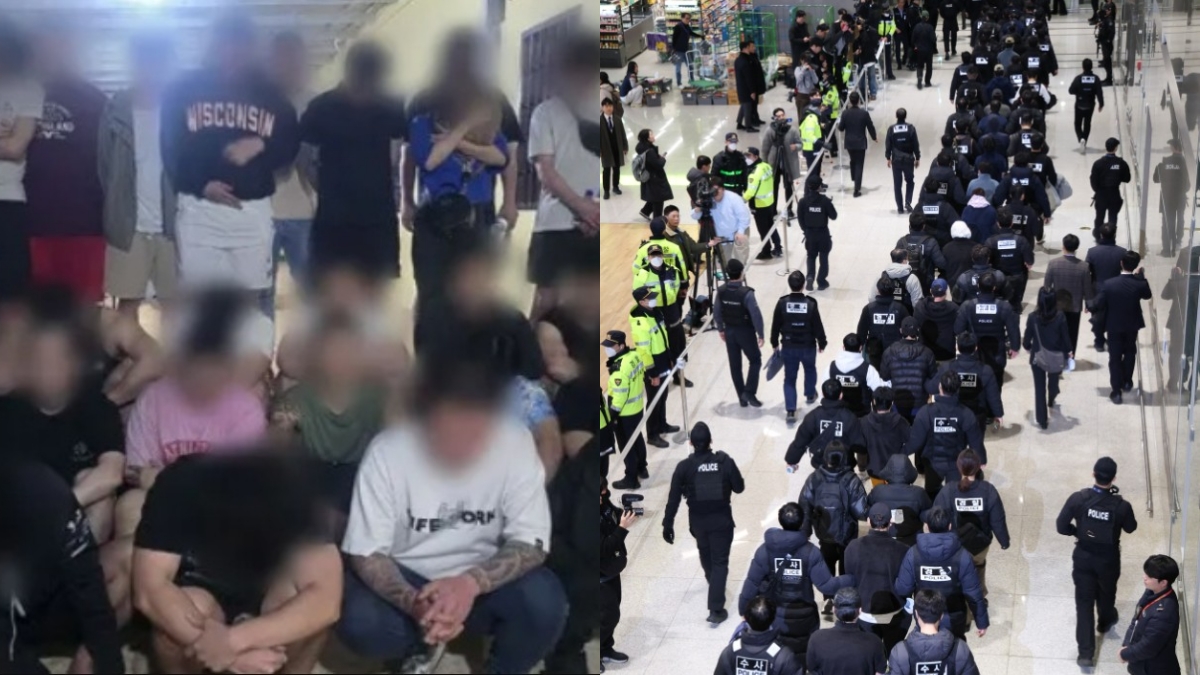
In 2025, the Ministry of Public Security said more than 7,600 Chinese nationals were repatriated from Myawaddy near the Myanmar–Thailand border.
The executions followed other high-profile rulings.
The September 2025 judgments also included death sentences with two-year reprieves for five other individuals, while 23 suspects received prison terms of up to life.
In November 2025, five people were sentenced to death for scam operations in the Kokang region linked to six deaths.
The United Nations Office on Drugs and Crime has warned that the cyberscam industry is spreading worldwide, with hundreds of thousands of people estimated to be working in scam centres globally.